
SilentScream213's Reviews



Music is crazy, vocals are horrendous. As far as Grindcore goes, this is just as manic and erratic as everything else, but somehow, manages to capture a little bit of melody in the riffs and chords at times. Now, it’s just as often (actually much more so often) chaotic and dissonant, but the occasional dip into what sounds like conventional music boosts this tremendously. The songs are more memorable than your average Grindcore experience because of the tasteful riffs thrown in. The drumming is endlessly impressive, but it is more boring because it is much more liable to just blast beat all the time, leaving little room for anything else. The only time the drums do anything normal is on “Loveless.”
The thing that could have been really interesting about this album is that it supposedly has a ton of references about Neon Genesis Evangelion, and deals with much more depressive and personal lyrics with a sci-fi twist. Now, here’s a big part of where the vocals come in. There are two vocals styles used here; the more often high pitched screams, and the occasional Deathgrind growls. The highs are very annoying and abrasive, and aren’t even intelligible, which is usually one of the benefits of using a higher pitch scream. The lows sound alright, but are beyond unintelligible, garbled nonsense. So, what then, is the purpose? Even when reading along with the lyrics, not a single word is decipherable. The vocals add nothing to the music (for this listener) and instead shriek as much as possible to take away from any nice music going on underneath. It’s such a waste. This would honestly be one of my favorite Grindcore albums if it weren’t completely scalped by the awful vocals.
Here’s one compliment I will give… the droning low frequencies and fuzzy feedback here could actually be pretty good white noise. That is, if you want something to fall asleep to, or even just to fill empty space if you’re the type who hates silence, or maybe to distract an overthinking mind. Yeah, I can see a practical appeal to it.
But for someone like me who requires a focused listen to provide some form of value, this has got nothing for me. The drones do absolutely nothing interesting, they don’t evoke any sort of emotion or mood, and they don’t work on building any specific atmosphere, relying entirely on feedback texture. Songwriting is nonexistent, as there’s practically no progression or structure at all to these songs. And I’m still hesitant to call this “Metal”… it’s just Drone music made using electric guitars. I don’t think an electric guitar makes something Metal.
Has some practical use as noise, but as “music,” it fails to do anything for me.
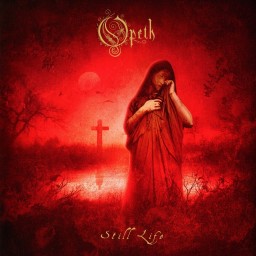
Any band would be honored to release an album that could be considered the best ever in its genre. Opeth have not one, not two, but three albums that always sit neck and neck near the top of any Progressive Metal ranking, and the band fails at having an obvious magnum opus because any fan might name a different release. Such is the band’s prowess.
Still Life is the earliest of the aforementioned triad, being their last 90’s album and still rife with Death Metal. Personally, it ranks as my favorite of the three (and yet not my favorite Opeth album!). This is due to the fact that it is probably Opeth’s most passionate release, being a twisted tale of love, longing, hatred and revenge. The concept album follows the story of a monstrous man who was cast out of society (likely due to religious reasons) and despises the civilization, save for an old flame whom he returns for… the rest I’ll leave for you to discover.
It’s a perfectly delivered tale and Opeth succeed at swapping between styles and moods to fit the theme of the story. It has dark and brooding Death Metal representing the main character’s intense misanthropy due to his mistreatment. It has more melodic, longing guitar leads representing his loneliness and love that still burns. And it has slower, softer folk-inspired sections for the sparse moments of calm the characters are able to find. Of course, these are all trademark styles of the band, and by this album they had mastered each.
It's one of those albums that simply doesn’t have any flaws. It’s got a little bit of everything that makes Opeth a great band, and it’s got just about everything one could want in Progressive Death Metal.
Agalloch are a name carved into Metal legends at this point in time, iconic for their delves into Folky Post-Metal and ability to craft immense atmosphere. Their debut album “Pale Folklore” shows the band had not quite settled at their modern sound yet, but does that make the album any less strong?
The answer, at least for me, is a resounding no. There’s nothing in the way of Post-Metal here; in fact it’s Folk Metal in name only, stylistically being a hybrid of Blackened Gothic Doom more than anything else. Despite progressive and layered songwriting, most of the actual musicianship is quite simple.
Thankfully, the guitar leads crafted here are some of the most memorable in all of Black Metal, and that’s thanks to the strong Gothic Doom influence. Melancholic, melodic and simple, each song has at least one lead progression that is unforgettable. The rhythm section supports them with pillars of gloomy, repetitive chords and martial percussion, as well as some hidden but impressive basswork as well.
“Hallways of Enchanted Ebony” is the best display of their talent here, first posing the main motif as an acoustic melody over driven rhythm guitars, only for it to come back later in full glory as an electric lead. It even shows up again in the bass! One of the best guitar leads in Metal, I think. The lyrics throughout the album are beautifully somber as well, perfectly matching the atmosphere, and the vocals are a uniquely enunciated blackened call.
Beautiful, harrowing, poetic, and full of exquisite melodies. Should not be missed.
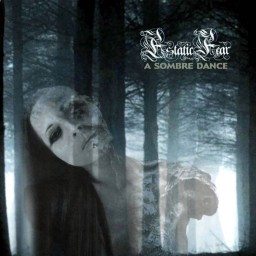
Estatic Fear released just two masterpiece albums in their short career, both of them lush with folky acoustic passages, flutes and strings mixed in with crushing Doom/Death Doom. A Sombre Dance features one long suite split up into much shorter tracks (as opposed to the first album, which featured two primary tracks totaling over 50 minutes). The shorter tracks make for a much more digestible album, and the Dark Folk passages are intelligently mixed into the songs rather than being cut into quick interlude tracks.
This album features more clean female vocals, and more Neoclassical Darkwave keywork which gives it a slightly Gothic flavor. The Death Doom is still as strong as ever, driven by liberal double bass drumming and tremolo lead guitars. A great variety in power, heaviness, and speed across even individual tracks makes it an incredible joy to listen to (despite how sombre and melancholic it is). Insecure listeners beware, for what one might call “cheese” permeates every corner, as a fantastical, dramatic showing is the name of the game for this Doom album.
And yet, to me, “cheesy” would be the wrong word. How about “classy”? The strings and melodrama here sound nothing of Power Metal or regular Symphonic Metal taste; rather, it evokes true Classical moods and compositions somewhere between the Medieval era and the Baroque era. Basically, unless you want to call Classical Music cheesy, there’s really nothing cheesy about this! Put on your best palace suit or dress and get ready to attend this funeral in a fairytale garden.
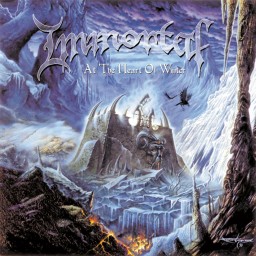
Wow! I know I’m in a crazy minority here, but I actually thought “Blizzard Beasts” was going to end up my favorite Immortal album. The way Immortal integrated twisted Death Metal riffs and more varied drumming into their wintry 2nd wave Black Metal formula worked very well for me. I was expecting a return to regular Black Metal with this album.
But no! They learned something very important from the last album! Which is how to write incredible riffs! As far as Black Metal goes, these are some of the best riffs in the genre. Melodic yet raw, aggressive and thrashy but still unmistakably cold. This is still 2nd wave Black Metal at its core, but this time, instead of Death Metal influence, they’ve injected their wintry hellscape with Melodic Black Metal and Thrash influence. Somewhat opposing forces, but it all comes together so well here!
The leads sit in this perfect purgatory between melodic and twisted, they are very memorable and full of impressive lead work a la Meloblack, but they are evil, destructive, and almost out of control a la Thrash! The drumming is in a similar place, where it is much more controlled and willing to run in non-blast beat territory, bordering on progressive at times. However, it never loses sight of being a mad, combative beast of rhythm.
Production is also quite good for this genre. Clear enough, mixed well, sounds good, but not overproduced. Plainly, the album doesn’t have any flaws, and is a masterpiece among the genre.
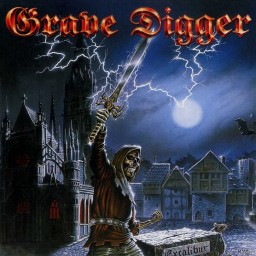
For me, Grave Digger were one of those bands that were always good, but not quite good enough. They were competent, but they were missing that X factor. The first run of the band in the 80’s had very little going for it, “generic” being the best descriptor I can think of. After their reformation in the 90’s, they came back with a lot more power, and hit their stride starting with Tunes of War. From there on out, they delivered some great songs, but the albums as a whole were still short of remarkable.
Enter Excalibur. Grave Digger’s 3rd medieval concept album, this one storying the legend of King Arthur and the Knights of the Round Table. Look, I dunno what happened here. Suddenly, the band is churning out banger after banger, with some of the most powerful, anthemic choruses I’ve heard. Drumming and riffing here is faster and heavier than ever, and even their usually unbearable slow tracks are magnificent here.
One thing that helps for sure is the undeniably dark sound of the album (by Power Metal standards, that is). Lyrically, of course it is full of epic heroism and gallantry just as much as it is death, betrayal, and longing. But the sound of the music accentuates that dark tone – the riffs are decidedly aggressive, and backed by pummeling double bass, you really feel the suspense of knights putting their life on the line. There is a ton of raw Speed Metal influence here.
Another point towards heaviness is the vocal style of Chris (or as he is named on this album, Sir Chris "Parcival" Boltendahl). He opts for a very grumbly warble, gruff and probably more befitting of a Thrash Metal band than Power Metal. I will say it’s an acquired taste, but the reason it works exceptionally well here is all the choruses are multi-layered, incredibly well harmonized near-choral levels of gang vocals. These choruses are ridiculously anthemic and epic, by far some of the catchiest I’ve heard in the genre. As far as I understand, multiple backing vocalists, including the great Hansi Kürsch (Blind Guardian) were brought in to help create these epic choruses. Chris’ usual grunting yell handling verse duties while brilliantly melodic gang vocals emphasize the choruses create a perfect contrast that helps you appreciate each vocal style even more.
The focus on Arthurian Legend makes the album that much more enjoyable. I will confess, I was only passively privy to the tales before listening, but the album got me so interested that I did a deep dive to learn all about the characters. Isn’t it wonderful how much we can learn from music? In any case, Grave Digger pulled all the stops here, and finally released an album that deserves to go down in the Power Metal canon as one of the greats.
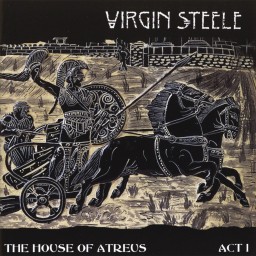
By this point, Virgin Steele had acquired a fantastic sound all their own, mixing operatic traditional Heavy Metal with more aggressive USPM and true Power Metal. This was another in a string of concept albums, this time focusing on the Oresteia. I will say, of all the epic Greek myth to focus on, they really chose… one of the least epic. The preceding Illiad would have been much more interesting and action packed, fitting the music style better. The Oresteia is essentially a soap opera.
The good songs here sit among the band’s best. Opener “Kingdom of the Fearless” is a great way to kick off the story, a lengthy epic filled with power and glory. “Child of Desolation” is my personal favorite, showcasing the band’s knack for cheesy, beautiful ballads driven by melody and emotion. The Fire God borders on Thrash Metal, as one of the most aggressive songs they’ve done. But, not all the songs are this good.
The big issue here is how obscenely bloated it is. I mean… the amount of filler/interlude tracks outnumber the regular ones! And many of them approach or even exceed the 2 minute mark as well. It cannot be ignored. Granted, some of these are rather decent, but it’s waaay too much. Virgin Steele kept their previous concept albums a bit more under control, with Invictus definitely dancing on the line with its interludes, but this one is ridiculous.
It's got amazing tracks like their other concept albums, but this one suffers a lot in terms of front to back listenability. Also, the concept is not very fitting for a Power Metal album. They picked one of the few stories in Greek myth with zero action, zero fantasy, zero adventure… I feel this is overrated, great moments though it has.
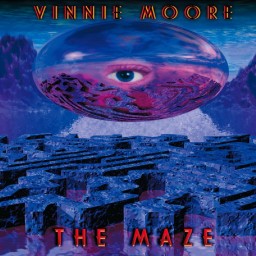
As far as guitar hero shredders go, Vinnie Moore is probably my favorite. Is he the fastest, most technical, or most flashy? No, none of those things. And even then, this is one of his most subdued albums. For The Maze is not showcasing just Vinnie, the Shredder – it is showcasing Vinnie, the Songwriter.
What sets him apart from most other shredders is his penchant for mood and well-crafted SONGS, not just shred wankery. And this album is perhaps where he delves into evoking scenery and mood with his songs most. There’s something that sounds very… Japanese, about this record in places. The country’s penchant for simple but memorable (and cheesy) melodies focusing on mood always finds its way into anime and game soundtracks, and I feel this could easily be such a soundtrack, especially with its instrumental nature.
Cryptic Dreams is the first slow number, and it masterfully displays long, gentle guitar notes creating very pretty melodies without delving into shred territory really at all. Shimmering picked notes underlay a simple but effective lead that succeeds in evoking a prettier, calmer scenery. Never Been to Barcelona is the token acoustic track and transports you immediately to the scene of some Spanish place, full of culture. It’s my least favorite track, but it’s got great bass work and serves to highlight the eclecticism here.
Rain is the closest moment to what sounds like an old Japanese VN OST – just perfectly encapsulates a rainy night in the city. A quiet city, though – everyone’s gone home, despite the neon lights still reflecting on the wet pavement. But you’re still out, because right now, there isn’t anywhere that feels more “home” than alone in the rain. The last track I’ll highlight is In the Healing Garden. Despite being the big closer, this sounds more akin to after the finale. This isn’t between the hero and the villain – this is a tense will-they-won’t-they between almost lovers, or a suspenseful fissure between friends, comrades. In the end, they each turn away and walk off in opposite directions, but the chance of reconciliation remains hanging in the future.
I’ll never complain about the slower songs here. The issue instead lies with the faster songs; that is, because they aren’t fast or energetic enough. The rhythm section is especially lacking on this album. The drumming is, to say the least, disappointing. It sounds much closer to Rock drumming than Metal. There’s almost no double bass, snare hits are spaced apart with virtually no faster, aggressive beats, and it’s just… kind of boring. This style works fine for the slower songs, but really takes away from faster tracks.
I won’t say it’s my absolute favorite Neoclassical Metal album, hell it’s not even my favorite Vinnie Moore album. But it’s one of the most unique, memorable, and evocative. If you need to feel like you’re in a movie, throw this on and let your imagination run wild.
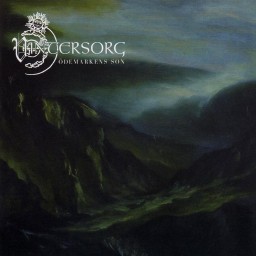
A stark improvement over their debut, Vintersorg became stronger in every arena here. The songwriting is slightly progressive, full of variety within the song. Softer passages are interwoven well into the blackened Viking sound. There is a lot more energy here than before, especially in the rhythm section which now sounds fantastic. Non-Rock instrumentation like synths and keys are sparse, but expertly applied when they do appear.
The vocals remain a bit of a sore spot for me. Not bad, but at times they do sound a bit goofy, really leaning into that… folky viking epic sound. The best of vocalists can pull off melodramatic theatrics, but this guy just falls short of that. Still, not nearly enough to detract from the performances.
That aside it doesn’t really have any weaknesses. It’s not the best or most memorable Viking Metal release, but it is absolutely up to the standard and beyond. A rather quick album that stays on topic the whole way through and never fails to deliver.
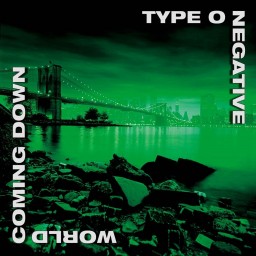
Really running out of words for this band, and I do not get the acclaim. The guitar tone here is awful, and carries this static, poorly produced sound that makes it grate on my ears. The guitars sound thin, weak and annoying. The riffs are simple without evoking anything; they don’t sound sad or gloomy, they don’t sound evil or dark, they’re just there. Drumming is, similarly, repetitive and boring. For Doom/Gothic Metal, repetitive slow drumming is totally fine if it’s supporting well-crafted atmospheres or emotional performances, but this album is sporting neither of those qualities in spades. The vocals of Peter Steel continue to leave me unimpressed, and his lyrics do far worse. The stupid little skits found between certain songs are atrocious and not funny in the least.
Does the album have strengths? Yeah, I can recognize some. There is more presence of backing atmospherics such as keys, organs, choirs, which help add some density. They aren’t particularly… moody, but they sound nice enough. The variety in said backing elements is pleasant as well, with pretty much each song introducing some new sounds, keeping things fresh. The layering of instruments is done very well, though the terrible sounding guitars render this point null at times. The title track in particular has some great moments, but as it’s over 11 minutes, it’s still not consistently good. The ending of Everything Dies is similarly fantastic, but it’s hardly worth getting through 6 minutes of mediocre Gothic Metal.
I’ll just have to say it again… I don’t want my Gothic Metal filled with jokes, college frat humor and lacking emotion.
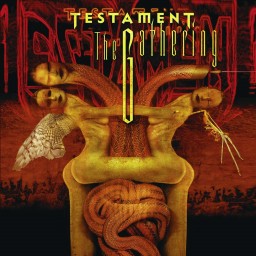
Considering all the classic 80’s Thrash bands that collapsed into chaos and failure during the 90’s, Testament stood their ground much better than most. Many consider the preceding “Demonic” one of the only missteps in their discography (and not a severe one at that), but I still see it as quite a strong album. Not only that, it was a necessary step towards this album – “The Gathering.”
The Gathering takes the experimentation with Death Metal from Demonic and and avoids the monotonous limit in style. Instead, we have a great variety of Thrash, Groove, and Death Metal, each taking center stage on certain songs while falling back on others. Thanks to the consistency in quality from song to song, the willingness to change up in style makes the album sound fresh and filled with vitality. The drumming in particular here is very strong (wasn’t until after writing this I found out it was Dave Lombardo!), and Chuck’s vocal variety is on point.
Unfortunately, it drags a bit in the second half. I much prefer Testament when they’re playing faster and heavier (such as on the opener or the insane “Legions of the Dead”), but they falter to slower grooves too often for my taste. “Careful What You Wish For” and “Allegiance” are examples of the band on low gear and not sounding particularly dark, either (their version of stadium anthems? No thanks). This is alleviated with the closing track, a fantastic burst of energy, darkness, and aggression that closes the album out perfectly.
I’d say this is probably the band’s best since Souls of Black, though I wouldn’t peg it as a mid-career masterpiece like many seem to.
If you’re gonna build 50 minutes of music around one riff, that riff has gotta be good. It’s gotta be one of the best riffs ever written. There have been many riffs over the years that can qualify as some of the best of all time, and most of them only play for about a minute or so (you know, because the songs they are in have other riffs). So ensure it is something the listener will never grow tired of hearing.
If you’re gonna build 50 minutes of music around one riff, you should probably try to create some sense of change through the rhythm section. Maybe we taste the riff backed by a slower beat first, and then a gallop, and then harmonized with juicy bass grooves. Add some odd time drumming in that doesn’t quite line up with the riff to throw the listener’s brain for a loop and add freshness.
If you’re gonna build 50 minutes of music around one riff, then let the vocals carry harmonized anthems overtop it, delve into harsh vocals to craft a darker section, write some transcendent lyrics that will keep the listener holding on to every line across the lengthy repetition.
For the love of god, don’t do this.
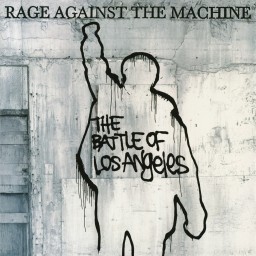
Just like their previous material, this album loses me in how repetitive and simple it is. Testify opens the album with a perfect example of what you can expect here. A groovy, funky riff kicks off the song well, the ever-impressive bass offering a great backbone. After repeating for a bit, the music all dies down to allow Zack to spit some venom. Then the riff comes back, then it disappears again… The whole time, the drums are essentially playing the same simple beat. By the end of the song, what seemed like a strong riff turns into “wow, that was the only riff on the song and I’m just about tired of it now.”
And then the next track does just about the same thing. Of course, the second track also offers a terrible… kazoo section? There are some surprises on the album, but usually they aren’t… great. The album does have a decent amount of variety between tracks, it’s more so that every track relies on one or two ideas and just repeats them over and over. Sleep Now in the Fire is definitely one of their best songs though.
What IS consistently great, is the basswork. Eternally funky, doing juicier leads than the guitars, the bass has so much power here. Any fans of great lead basswork can appreciate this. Unfortunately it doesn’t save the album from being rather boring, thanks to the other members playing quite simple, repetitive, and unevocative music. Vocal deliverance is strong, but lyrics range from great to poor, and just like the folly of the instrumentation, suffer from being far too repetitive.
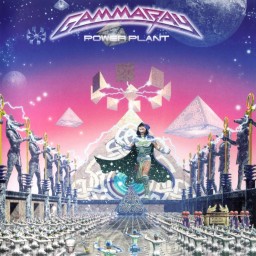
Gamma Ray were in the midst of a string of strong albums in the 90’s giving Helloween some strong competition as the best, most consistent band for the genre. Power Plant adds absolutely nothing new to the formula, but it does deliver tried and true hits we’d come to expect from the band.
As usual, the material ranges from heavy, thundering double-bass-attack Power Metal to more rhythmic arena Heavy Metal. The songs are united by a constant focus on melody, as well as anthemic vocals carrying this sense of uplifting triumph. Truly, Gamma Ray exemplify this “all positivity, all the time” mood that is almost exclusive to Power Metal within the Metal world.
For me of course, I prefer the heavier, more energetic material, and the band is at their best when going all-out. The album opens and closes with its best material, and the cover of “It’s a Sin” is mind-blowingly great, probably one of the best covers I’ve heard. The more mid-paced Heavy Metal tracks can unfortunately get boring; “Heavy Metal Universe” in particular adds cringe to an already repetitive and simple beat.
That being said, the general quality of this record is very high. Another Power Metal banger from the guys in Gamma Ray.
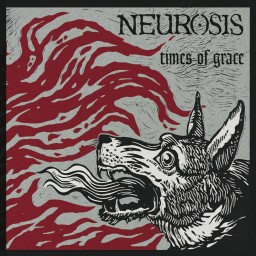
This is going to come off as harsh and opinionated, but the fact of the matter is, bagpipes are one of the ugliest instruments out there. They are piercing and shrill, they have almost no vibrato resulting in a stagnant, unrelenting cry, and they’re prone to staggering off key in between notes. It’s very difficult to properly fit them into a song, and are usually only used in contemporary music as a quick way to make something sound “Scottish” or folky.
I think it’s only fitting, then, that Neurosis of all bands would be the ones to utilize this instrument to its full potential. Neurosis are no strangers to making ugly music, as it’s pretty much their MO. Still, I was blown away by the utilization of bagpipes in “The Last You’ll Know.” The instrument provides the lead melody in what could only be called the apex of the song, or album even. The bagpipes play shrill, sustained notes over doomy guitar, and with pristine efficiency, convey this sombre, painful emotion that evokes a person at their limit, threatening to break. The ugly, static, unrelenting, barely-staying-on-note shrieks of the bagpipes are absolutely perfect for evoking this. It works wonders with the sludgy yet fragile atmosphere the band builds here, it doesn’t sound gimmicky or Scottish, it just perfectly encapsulates a harrowing yet still passionate cry of human emotion. It is, quite plainly, one of the greatest moments in music I have heard.
…What about the rest of the album? Right… it’s good. Not all that memorable. The majority of this album is Neurosis plodding along with chords that don’t evoke much and adding some effects and atmospherics that only provide surface level complexity to the album. Most of it is not very successful in building any mood outside of the generic trademark Sludge “miserable.” There are a few moments such as above where the band really captures something special, but most of them are hidden between long stretches of nothing.
Oh yeah, and then there’s the album Grace. Most should know the lore; Grace is a Dark Ambient album made by Neurosis side project Tribes of Neurot as a companion album meant to be listened to simultaneously with this album. On its own, well, it’s just a pretty minimalistic Dark Ambient album with samples, droning, and Noise. Doesn’t make for great individual listening.
But, how do they stack up as a duo? Grace adds some pleasant layering, density, and connectivity to the album. It truly makes it feel like one continuous experience, and it does feel like it’s how the album was meant to be listened to. And good god, remember that aforementioned moment with the bagpipe leads on “The Last You’ll Know”? Ambient pads backing that moment in perfect harmony just elevate it into an even more unbearably bittersweet moment of pure miserable catharsis. Unbelievable…
But does it do enough to elevate the whole album to its commonly held masterpiece status? To me, no. It definitely improves the album, but using numeric terms, probably by about a quarter star, 10 percent, etc. Grace is too minimalistic and lacks any standout moments of its own to do much more than just slightly improve the album. Given the choice, I would always listen to them as a set, it's definitely the superior experience, but it’s not as “transcendental” as some would have you believe. Mostly just a small bonus. I applaud the creativity, but at the same time, could have just released it as one album…
Either way, I’m not rating the duo here, because that’s not what this is. And after having listened to the two together, it does highlight a bit the “empty” parts of this album, where there’s really not much going on. Without a denser, more evocative atmosphere, the weak riffs and simple rhythm section isn’t doing enough to really carry this.
And so, I’ll stand by what I said before. It’s an album with some incredible moments, but they do get a bit lost in a fire of “just good” Atmosludge. Not the magnum opus of the genre it is often hailed as.
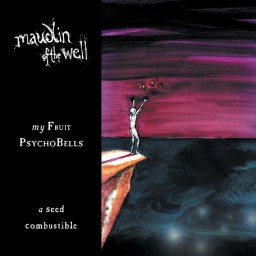
You really don’t know what you’re gonna get going into an album titled like that. And perhaps the last thing you’d expect is a doomy, gloomy descent into the bizarro oceans of the well. My Fruit Psychobells manages to subvert expectations in many ways, and at times this is a positive and others a negative.
Firstly, I have to praise the creativity and atmosphere here. The doomy sections are easily the best, morose chords and broken leads play over discordant layers of other instrumentation, which varies wildly from section to section. Surreal, aquatic lyricism paints pictures of drowning in hopeless oceans while still reaching out for some bright, warm thing. When everything hits right, it’s immaculate.
The problem here is that most of the time, things aren’t always hitting just right. The Death Metal, Post Rock, Jazz, and whatever-else influences all make for an interesting listen, but at times, they are at odds with serving the song or atmosphere. More often than not, a song will spend a few minutes building a sense of mood, only to break into a totally inconsistent style that offsets (and too often ruins) the established mood. Sometimes the changes in style are fun and interesting, but other times they feel pointless, like quirkiness for the sake of quirkiness.
If the band managed to change styles while RETAINING the mood, that would be fantastic. As it is, this album is full of incredible moments surrounded by pieces that sometimes do and sometimes don’t fit together. Still a unique and impressive undertaking, but it can be improved.
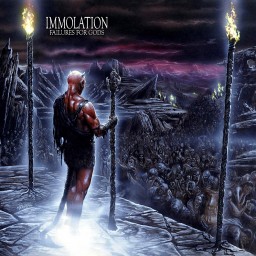
After the incredible Here in After, I was prepared for Failures for Gods to similarly break my spine and send me to a place of misanthropic misery where no god can touch me. I was ready for twisted riffs to fill me with infernal black flames and ravage my soul while the drums mimicked the beatdown of an unworthy god. That triumphant album cover of the devil gazing upon his subjects was the final piece.
Perhaps I expected too much. For somewhere between the two albums, Immolation seems to have lost something key. By rights, the music is expertly played. The drumming is inhuman, the songwriting is interesting, the vocals slay. On its own, it’s a great album. But this is essentially a strong Tech/Dissodeath influenced Death Metal album… not the follow up to one of the greatest albums in that genre ever.
Trying to put my finger on what’s missing here, it’s the memorability. Despite being highly Dissodeath influenced, Here in After featured some incredibly memorable riffs, often repeating their strongest, catchiest riffs multiple times in order for you to latch onto something amidst the brutal chaos, leaving each song memorable and strong. Failures for Gods… just doesn’t have that. I can’t remember a single riff off the album.
And that’s pretty par for the course when it comes to Dissodeath, but it goes to show why Here in After is a whole other breed. Failures for Gods is a great album that is sure to satisfy fans of the genre. But as a follow up to one of the greatest albums by one of the greatest bands in that style, you could call it a… “Failure.”
Botch’s second and final album carries many of the same strengths and weaknesses as their debut.
To start off, the pros:
- The drumming. Lord, the drumming is fantastic. It’s varied, it’s technical, it’s metallic and aggressive, it’s capable of slowing down for sludgy, moody sections. Perfectly tows the line between serving the music and standing out.
- The songs are long and varied, and cover a greater range of speeds than the debut. More prominent are the slower, sludgier sections, which give the music more room to breath.
- The moments they lean towards Atmospheric Sludge Metal are the best. They manage to craft some harrowing atmospheres that actually carry some weight. The best example is the second half of “C. Thomas Howell as the ‘Soul Man’,” which is definitely their best song. The simple chords and double bass drumming at the end are a perfect climax that actually sounds passionate and memorable. Wish the band did more of this.
However, the cons:
- Like the debut, it’s not very memorable. It has no hooks to speak of, neither in the vocals nor music, and that’s thanks to being very inharmonious. The songs are neat when they’re playing, but once they’re done, it’s very difficult to remember anything from them. (Swimming the Channel averts this, hence being easily their best song.)
- The riffs are angular and dissonant. They don’t really… evoke anything, aside from anxiety. It’s not catchy, but it’s also not evil or anything like that. Just kind of uncomfortable, but not in an emotionally gripping way.
- The songs are long and varied, [i]but[/i]… pretty much just swap between slow anxious, fast anxious, mathy anxious… it’s all somehow monotonous despite the variety in playing style. Like, the band can only play one feeling, which is manic discomfort. Which is cool if you like that, but it’d only work for me if the music and vocals/lyrics were more emotional. This isn’t; it’s very abstract both musically and conceptually, so the focus on anxious moods doesn’t evoke anything from me aside from discomfort.
- The lyrics are too abstract to deride much meaning, which is unacceptable when vocals are screamed in this way. There’s thought, but no passion. The final track is basically ten minutes of them saying the same thing over and over.
- The long Drum n’ Bass track closing the album is the worst track. Weak ending.
For these reasons I find the album good, but not great. I can understand the praise, especially among the genre. But I think this is more niche than the ratings lead on: I think you’d have to be pretty into this kind of music specifically for it to click just right.
Southern Metal is one of those Metal genres that just doesn’t have much appeal to me. The strong Blues influence ensures the riffs are simple and boring, and ditto for the rhythm section. Vocals are usually yarled, twang-tinged tough guy grunts, and the lyrics are typically about simple pleasures like alcohol, sex, and other drugs (or oddly enough, Christianity). It’s basically Stoner Metal, except replace the weed with alcohol. Alcoholic Metal.
Sonic Brew is not Black Label Society’s most iconic album, but it’s a great overall display of the genre. One of the reasons is that across its hour-long, 14 track runtime, the band explore every nook and cranny of the genre (that had been established by the turn of the century). It has a decent amount of variety for almost always sticking to the core sound of Southern Metal. Most of it is lead by Grungy vocals and Bluesy, Sludgy riffs. But there are acoustic passages, Southern Rock-esque guitar solos, some anthemic choruses in places, and odd moments of experimentation in sound effects.
And after my trip around the Southern Metal tour multiple times, it’s difficult to remember much of anything because the genre is just pretty… boring. And in fact, the most memorable (and my favorite) tracks are the ones that stray furthest from the style. Spoke in Wheel is a standout… as a Contemporary Country ballad.
It’s the kind of music that can be fun and groovy, but offers almost nothing in the way of depth, emotion, etc. Not quite “Bored to Tears,” but certainly nothing I’d ever come back to.
I’ve never been a fan of Godflesh’s style of repetitive and simple Sludge Metal focusing on textures, nor was I very much on board for their overly rhythmic and still simple Industrial Metal. The issue is, none of the instruments are ever doing enough. Drums are slow, simple, and often play the same beat an entire song. Guitars scarcely compose something that could be considered a riff, usually opting to add fuzzy heaviness without much direction. Vocals always a bit too monotonous and occupying an unflattering middle ground between aggressive and lethargic. Industrial sound effects were, once more, too repetitive and too few to have much impact on the music.
Well, one of those things changed on Us and Them. The band adopted a very significant Drum and Bass influence for this album. Because of this, the rhythm section picked up a ton in intensity and complexity on many of the tracks. Sure, it’s still repetitive as all hell, but a faster paced, energetic and powerful beat backing their miserable tracks does wonders for entertainment. It’s all machines, but their previous drummers did everything in their power to sound like soulless robots anyway, so that’s no loss.
The unfortunate thing is, none of the other weaknesses were alleviated. Guitars are incredibly boring and minimal. The bass actually has some really cool moments, which is awesome! It finds itself playing lead more often than not, which just does more to highlight the rhythm section as the ultimate strength to this album. As cool as the rhythm section is here, it can’t offset the other incredibly boring aspects of the album. The band has incorporated more Industrial sound effects here, and this is a blessing and a curse: at best, the minimalistic songs gain some much-needed layers of density and intrigue; at worst, an incredibly annoying sound clip will repeat 30 times over, doing everything it can to ruin the song for you.
Special mention to the final tracks “The Internal” and “Live to Lose,” which show them building atmosphere and mood to great effect. Closer in sound to the Cold World EP material, which was the band at my absolute favorite. These songs are awesome and appeal to my tastes so much more. When the band builds atmosphere in addition to their trademark texture and rhythm, it elevates their music exponentially. Unfortunately, they rarely ever do this, and texture by itself proves something that will never appeal to me.
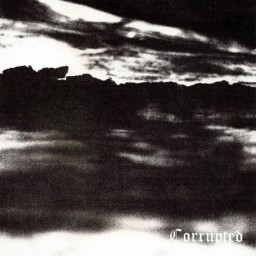
Llenadose de gusanos contains 30 plodding minutes of some of the best Drone Metal I’ve heard yet. The guitars are exceedingly simple, just droning chords, but the real magic is in the layers. Feedback and noise create a cacophony of twisted suffering, and later on, haunting choirs join in the back, rising from the graves to contribute to the hellscape. Minimalist piano comes in as well, matching the guitar chords, and adding just enough actual music to counter the wall of chaotic, disharmonious noise forming the backbone of this skeletal monolith. Funeral Doom influence is evident in the atmospheres being built with the simple but layered droning.
There’s just one little problem with that.
This album is over 2 hours long.
About 20 minutes of track one is Minimalist piano. Not offensive, but does nowhere near enough to justify the length it goes on.
Then we have the second track, which is almost an hour and 15 minutes of Ambient Drone. And not good Ambient, mind you. It’s the kind that does absolutely nothing and goes absolutely nowhere. It’s not offensive, and even manages to be pleasant in moments, but again… absolutely does not justify its hour-long run.
I have trouble calling this a very good Drone Metal album because ¾ of it is not Drone Metal and ¾ of it is not very good. Corrupted prove here they’ve got potential, and display some of the best early Drone Metal around. But, the album is beyond bloated with non-Metal nonsense.
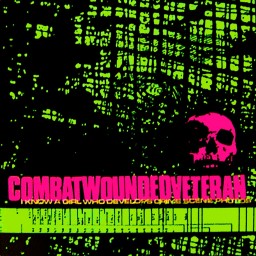
Uniting a more Punk-influenced sound of manic Screamo and Powerviolence with relentless assault of Grindcore, Combatwoundedveteran were one of the first bands in the heavier, noisier flavor of Emoviolence.
The album is 19 minutes of noisy, chaotic, manic aural violation. For most of it… the dense layers of noise, feedback and blast beats renders much of the actual music nil. Riffs, guitar leads, and chord progressions are either totally buried or totally absent; I have no clue. Vocals are similarly indiscernible nonsense, doing nothing but adding another layer of noise to the mix.
For the most part, an unpleasant mess, but there are some aspects I will praise. First, the production, as noisy and lo-fi it may be, does a great job of condensing these layers of noise into something that somehow sounds quite listenable. Honestly, I can’t put my finger on it, but the way these dense tracks are mixed meets a great middle ground between that lo-fi, purposefully noisy production and something… smooth?
Next, the lyrics are quite interesting and entertaining, uniquely written. The concepts range from funny but clever sarcasm to deadly serious misanthropy. Unfortunately, this strength is aborted by the absolutely indiscernible vocals which completely negate the purpose of the good lyrics.
The last point I will praise is “Folded Space: Lead Poisoning & Distortion.” By far one of the most unique songs I’ve heard in this style, the vocals are spoken word poetry, which allows those great lyrics to actually shine; the music similarly works to build a bit of atmosphere instead of pointlessly banging as hard as possible like in the other tracks. In every way, it’s the best track on the album, and I’d love to hear more music like it.
Overall… Not for me. But definitely not without value. Unique, and with potential.
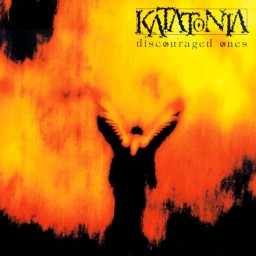
After the monumental Brave Murder Day, which quickly established itself as the greatest and most depressing Doom Metal release yet, Katatonia decided to follow it up by moving in a slightly different direction. Still insanely doomy, still walling you with the same shoegazy chords, but now the sound is more accessible. Gone are the demonic death growls, the assaulting double bass, and any tie to extreme Metal.
Replacing them are purely clean vocals and a focus on verse-chorus format. Jonas doesn’t push his voice too far here, instead opting for a lethargic, depressive croon. The songs are simple and rhythmic even, adding to the hypnotic nature of the gazy guitars.
The result of this odd direction is… well, just about as depressive and pessimistic as music can possibly get without creeping into extreme territory. All of the ingredients mesh stunningly to craft a much more accessible serving of catatonia. Lethargic apathy is the surface face here, a numb shell of what’s left after one is encased with pessimism. However, the shell is constantly threatening to shatter as it struggles to hold back the outpour of emotions underneath. Jonas very perfectly treads the fine line between total apathy and intense pain, letting inflections slip through his voice to indicate the intense amount of emotion being restrained by the defense mechanism of not caring.
Another masterpiece from the band that still shakes me and never fails to put a frown on my face.
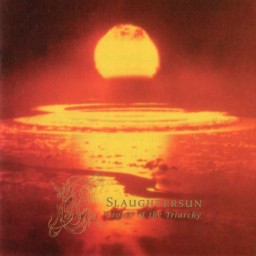
Probably the purest Melodic Black Metal album ever recorded. Every song is nonstop melodic tremolo riffing over unrelentingly blast beats. Despite the incredible quality of this album, it has almost no experimentation, no outside influences, and very little variety. But that makes it such an iconic triumph of the genre. Anyone want to hear the best and purest example of Meloblack, you slap this baby on.
Right from the album art, there is a certain beauty to this. That perfect shot of a dark sunset encapsulates the catchy, poignant lead guitar melodies that dominate the otherwise morose and oppressive atmosphere. One after another, songs lay down memorable riffs, and the whole thing is filled with great lyrics as well. The near-constant blast beating does get to be a bit much at times, but the drumming performance is so great I can’t really complain.
Two songs definitely steal the show a bit, those being the opener and closer. Both have some of the best lead guitar riffs of all time, and a wonderfully somber atmosphere that is dually triumphant and powerful. Perfect way to open and close the album. This one is a shining star.
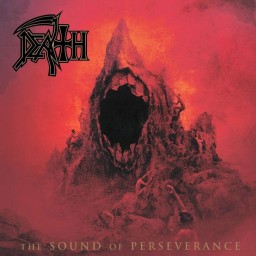
And Death’s nearly flawless discography comes to a close. The band had been advancing in progressive technicality with each album, and it culminates in their most complicated and impressive album yet.
The Sound of Perseverance, like the album cover portrays, was a monumental mountain of insane musicianship and songwriting. The guitar leads are neoclassical at times, weaving up and down scales of melodies, while the rhythm guitar is more rhythmic than before, opting for a more progressive chug. The rhythm section itself is slightly less aggressive, focusing on complicated polyrhythms even more than before. And of course, Chuck changes his vocal approach to a more high-pitched shriek, switching distinctly from a type 2 to a type 3 metal scream. It’s definitely the most difference in sound found on a new Death album.
For the most part, the album is the same incredible quality, and again, the musicianship here is just mind-bendingly good. However, this is the first Death album where I feel the band falls a bit into the “too-progressive metal” style. Songs still feature incredible, memorable riffing, but I do feel a little is lost by focusing on technicality a bit too much. Still, Death is less guilty of this than most Tech Death acts, and the album remains a fantastic swansong for the band.
Struggling to capture the same magic in a different way than he did with Iron Maiden, Bruce’s first 3 solo albums were decent, but nowhere near approaching the prior band’s material. Accident of Birth was a much stronger effort in the right direction, and here on The Chemical Wedding, I feel Bruce finally proved himself a strong solo artist, not needing the coattails of his prior band to succeed.
Bruce’s voice is really the only thing that sounds similar to Maiden. This album is still Heavy Metal, but it’s played in a much different, more modern style than Maiden. The songs are a bit more rhythmic, heavier, and obviously there is more focus on the vocals. The sound is fitting with the late 90’s, but it doesn’t sound trend-hoppy or compromising, it’s just an intelligent adaption to the times; indeed, this was the only way for Bruce to successfully move forward, because looking to the past wasn’t going to work for him.
The choruses on these songs tend to be fantastic, but I do find the verses and instrumentation in general to fall flat at times. Too many of these songs suffer from a “just get to the chorus already” feeling. However, it’s still the strongest songwriting of his solo career yet. Some of the bass work here especially stands out, and those with good headphones to pick it up will be in for a treat. I suppose this is to be expected with a more modern, rhythmically focused Heavy Metal album. I do think more guitar leads would have done a great service to the record though.
Blind Guardian’s first full on epic concept album exclusively focused on Middle-Earth lore, and this one seemed to be a breakthrough for them. Overall, the style is a bit softer, focusing more on varied instrumentation (folk and classical acoustics, as well as some keys) and hyper anthemic gang vocal choruses. Power Metal is still the core here, but it’s more progressive and less aggressive, and plenty of songs stray from the genre entirely.
The meat of the album is very strong, compelling, passionate and catchy. The concept story is an added bonus, but the music is plenty entertaining without it, and the tracks totally stand on their own. Despite this, I will say it’s decidedly less to my taste than their more aggressive fare.
In order to make the album flow more like a story, Blind Guardian added short spoken word interludes between almost every track, and I gotta say… I do not think that was the play. The 11 regular tracks are great, but the TWENTY TWO total tracks just makes this ridiculously hard to listen to front to back. It also makes the album very difficult to rate. The main tracks are top quality as usual, but the segues are boring and ruin the flow. Unfortunately I cannot simply ignore them, and they make this probably my least favorite release they had done at the time.
This one leans a lot further into choral and Gothic elements. No traces of any of the band’s Extreme Metal past remain, as most vocal duties are handled by operatic vocals and choirs. The music is still evil sounding, but much more gentle, smooth, and melodic (as far as Metal goes, that is). Songs are built around powerful orchestral pieces, guitars offering simple but effective leads in support of the chorus and strings.
All of the above aspects hold this album together, but there’s a fantastic amount of variety to found. There’s slow Gothic dirges, faster Power Metal pieces, aggressive parts, softer parts, dark atmospheres and uplifting moods. What’s more, the band succeeds in pulling off just about every different style they go for here, which makes the album entertaining and ever changing. Even individual songs shift between these traits, having a fair amount of Progressive elements in many of these compositions.
Each song is densely layered and well-constructed. For me personally, it definitely would have benefitted from some of their past Extreme Metal traits, and I do feel a slight lack of overall heaviness to be found here. But I can’t complain, it’s a very solid and consistent album especially for one with so many different styles present.
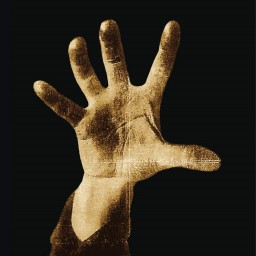
System of a Down were one of the first Metal bands I really got into, and as such they were a pretty influential act for me. Even at the time, I never worshipped them or anything, but I did find them to be pretty great with some absolutely stellar songs. As I’ve matured, I find myself listening to the self-titled debut all the way through for the first time in… God, maybe 10 years? And it’s really not aged well. It’s still got two fantastic songs on it, but there is sooo much filler. Not to mention, it gets substantially weaker near the end.
The album is lacking in just about every department except for creativity and uniqueness. Riffs are simple and forgettable, with few leads at all, mostly relying on standard rhythm guitarwork. System of a Down have an amazing rhythm section in both Shavo and Dolyman, each having a very unique style that get tons of focus. Except, here, they didn’t have that style yet. They just sounded like run of the mill rhythm musicians.
The album feels way too long, but it’s only 40 minutes. No doubt thanks to most of the 13 tracks being unmemorable, outstaying their welcome and meandering nowhere. Some of the lyrics are alright, but there’s also a lot of cryptic word-salad and goofiness (not that they ever outgrew that).
Overall, it’s just not a great record. It’s fine. But the years have not been kind to it in my ears. I feel like this one gets way too much credit just because of the band’s legacy and because it’s “quirky.”
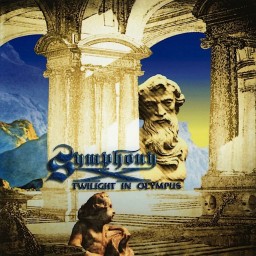
Much like the previous album, here we’ve got another Progressive Neoclassical release with a ton of Power and Symphonic Metal influence. Compositions are lush with layers of guitarwork, keys, synths and atmospherics.
All the music is played to clinical precision. Songwriting is strong and varied, with tons of shifts in speed and tonal style. The compositions are interesting in many ways, both in the multi layering of instruments and the unforeseen twists and turns each song attempts to take you on. And you bet these guys can play their instruments; impressive displays from each member pop up more than a few times across the album.
By rights, it seems like an album I’d adore. But like the previous two, it lacks something very important. Hooks! I don’t mean poppy vocal hooks. I just mean ANY hooks. None of the guitar leads are memorable, the riffs fall to rhythmic chugging most of the time, the synth melodies are nice but always take a back seat, and yeah, the vocals don’t provide any hooks either.
That’s a massive weakness, BUT all the strengths I mentioned prior are still going very strong. So, the album is still pretty great, but it can’t be more than that.
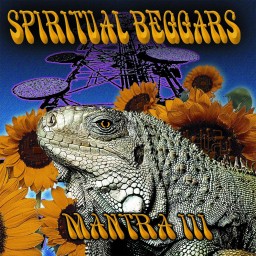
As far as Stoner Metal goes, this is pretty good stuff. The genre can be rather stagnant at times, but Spiritual Beggars did a great job of crafting many unique tracks here. Each one has a little something that sets them apart, and there’s a good variety in regards to mood and tempo across the whole thing.
Euphoria is the obvious highlight. That song is almost perfect Stoner Metal. The old 60’s sounding synths add a perfect atmosphere to the track, and it’s the only one on the album that could be considered “doomy.” The lyrics are weak considering the more serious sound the music takes on, but aside from that it’s a jewel of the genre.
The rest of the album is good, but doesn’t come close to those heights. Should be very enjoyable for Stoner fans, but I’m impartial to the genre, so it sits around “good, but not great” territory.
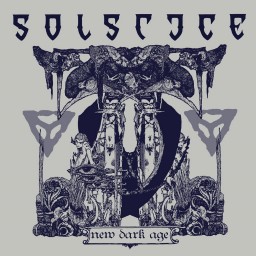
Solstice were one of the earliest bands in the Epic Doom realm, starting in 1990, but they released albums sparingly – 1998’s New Dark Age is only their sophomore release.
Their signature Epic Doom sound remains here, but overall it has more energy and Heavy Metal influence. The guitar leads are quite energetic, playing well over simple sustained chords. The drumming is certainly a high point, being varied, interesting, and full of fills, something uncommon in Doom. Good amount of double bass work too.
Vocals and lyrics are a high point if you like poetic prose; Ingram delivers middle age lamentations and epic tales with powerful conviction. Occasionally, vocal harmonies are used both to create uplifting melody, as well as disharmonious, ominous parts -both used to great effect.
Personally, I really could have done without the Folk music though. I get that it is supposed to compliment the medieval, mythical aesthetic going on here, and I respect that. It just doesn’t work for me; I think it would have needed to be more melancholic, or perhaps add some chamber instruments to really make it work. As it is, just breaks the flow of the album and makes it much less listenable as a whole.
The album ends on two high notes; penultimate track “Cromlech” and closer “New Dark Age II” show the band leaning all the way into opposite ends of their style. Cromlech is the most energetic track, fully Heavy Metal and continuously driver with pounding rhythm and melodic guitar. Vocals are triumphant and powerful. The closer, on the other hand, is the band’s slowest, doomiest dirge to date, forgoing all Heavy Metal influence for true Doom despair, and featuring some super memorable lead guitar lines as well.
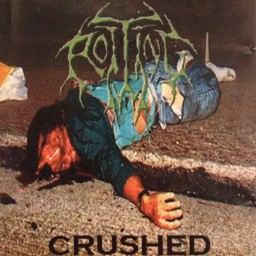
What I’m about to say could be taken either as an insult to the genre or the band, depending on what fence you’re on, but I promise it’s neither; Rotting sounds like if Grindcore was regular music.
Fist of all, almost all the songs here are above 2 minutes (with two clocking in over 5!). They all have various sections, with bridges and repeated verses. The drumming has a great amount of variety, rather simple but very effectively utilizing many different beat patterns found in extreme metal. Even the bass is audible! The songs sound like fully constructed and realized passages of music rather than short snippets of maniacal, unrelenting aggression.
Even the tempo is all over the place, with plenty of stereotypical Deathgrind pummeling, but also slow and heavy grooves. This thing has a ton of crushing weight at all times, and that helps it stand out. The bassiness and emphasis on the rhythm section are combined with a dense production job to make this thing feel like an aural slab of concrete. Whereas most Grindcore is manic and fleeting, these songs are a lasting assault, like slowly being beaten to death via a crude battering weapon.
The biggest weakness here is in the guitar riffs. With so much emphasis on the low end of the sound, individual notes can be difficult to discern, and higher notes are pushed way under the wall of sludgy sound. Most of the riffs stick exclusively to a few very low notes, and that makes them quite monotonous. Better lead guitar work would make this a masterpiece in the genre, but unfortunately they fall flat in what is one of the most important aspects of Metal music.
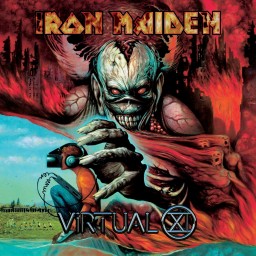
Under 3-minute tracks have been completely absent from Iron Maiden’s discography since the sophomore Killers, and never appeared again henceforth, but this album opens with one in “Futureal” and makes me think the band should have done a lot more like this. The song is full of energy, great guitarwork, and every second is filled with that classic Maiden sound, albeit on a bit of a speed rush. The following song, at almost 10 minutes, is the polar opposite; there aren’t enough good ideas there to fill 3 minutes, nevermind 10. The lack of speed and repetitive vocal lines only make this more noticeable. “Don’t you think I could save you” repeated about 96 times in a row really grates on you.
Virtual XI is a very interesting Iron Maiden album, in that it does some things perfectly and in other areas it falls completely flat. The album brought back keyboards and Iron Maiden’s signature epic sound, and by all means, sounds closer to their peak 80’s material than just about anything they’d done since. The problem is, there is something wrong with most of these compositions. Take a one-minute snapshot of any song here, and it sounds like classic Maiden, like it could be dropped into any of their 80’s material and fit right at home. But the songs as a whole, often suffer from being bloated, repetitive, or simply not going anywhere over their long runtime. Everything sounds a bit stale.
Now of course, some songs avoid this. Aforementioned opener is a fantastic track, and “Don’t Look to the Eyes of a Stranger” is an example of the band killing the more progressive, lengthy song format. The return of keys really adds a nice layer whenever they show up. The drumming is also pretty good across this album, but especially in the more energetic tracks.
Lastly, we’ve got to talk about the vocals. Blaze Bayley replaced Bruce on the prior album, and since that album was in quite a different style, the new vocals didn’t really stand out since everything else sounded a bit different too. Here, the songs all go back to the band’s older style… but missing Bruce. Blaze is a fine singer, but his range is far, far more limited than Bruce’s. These songs needed Bruce’s higher, more powerful range to achieve true hooks for the choruses and verses. Blaze unfortunately is passable and nothing more, with very few vocal parts here delivering anything too memorable or catchy.
With all of that being said, I find this album profoundly underrated. It has issues, sure, but it still sounds a lot like the band’s peak material, so if you love that, I really can’t grasp at how you couldn’t at least like this. I feel part of it is just the unfair comparisons. It’s basically just sub-par classic Iron Maiden, but even that should be enough to warrant pretty high marks from most people considering the quality of the band. Go into it with an open mind and I think you will be rewarded.
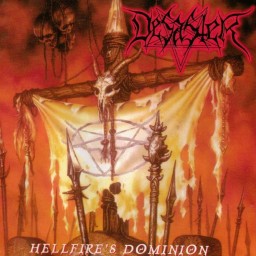
Thrash was in a sorry state in the late 90’s. Most of the old guard had fizzled out or changed genres, and it had absolutely no place in the mainstream world. It was up to the underground, then, to keep it alive, and most of those bands did so by mixing it with more extreme styles of music.
Desaster were one of many bands going for a Blackened Thrash style, going back to the roots of the genres by worshipping the infernal overlord and reigning hellfire upon the world. By ’98, nothing on this album was particularly new or inventive, but it was done well, and that’s what matters. Songs traded places between aggressive Thrash beats and Blackened chords, leads and blast beats. The production, the style, the lyrics, they all sounded very 80’s, and for Thrash fans, there’s no better era to be. However, the music itself, especially the guitar playing and vocal approach, leaned far more towards the Black Metal style. In fact, so much so that I don’t think I could truly call this a Thrash album at all; it sounds much more like Thrash-influenced Black Metal (or plainly said, first wave Black Metal).
The band is at their best going full speed aggressive assault and focusing on darker riffs. When they slow down into more Blackened Heavy Metal territory, or play at a goofier, medieval sound, the material doesn’t work as well.
Hellfire’s Dominion wasn’t enough to revitalize either genre, nor did it add anything new to the mix. However, the album is great fun and full of competent songwriting, playing, and of course, riffs. I do find it a bit overrated, though.
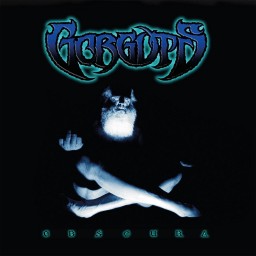
This album is a core influence upon much of what I can’t stand in modern trends of extreme Metal, so it’s no surprise I don’t like it very much. While a few Tech Death bands were already verging into what I call “Too-Progressive Metal” for the sake of pushing the skill envelope and showing off musical prowess, Gorguts took it a step further and created Dissonant Death Metal, which sacrificed all form of songwriting, riffing and memorable performance for the sole sake of creating something weird enough to continue pushing Extreme Metal in a… well, more extreme direction.
Much like how most Grindcore is simply taking things too far a lot of the time to prove they are the most fastest and most heaviest, so too does Dissodeath (at least in this Avant-Garde instance). Gorguts were more concerned with what they could do rather than what they should do. There is very little that is aurally pleasant on this album. The first song opens up with one of the most obnoxious guitar… leads, I guess, that I’ve ever heard. Atonal skronking, for what purpose? I guess cause it was new and unique. Then the guitar starts making some weird beeping noises, which is less offensive somehow. Atonal chords follow… Yeah, aside from the ever-impressive drumming and respectable talent, it’s just not my cup of tea. The songs jump around in sections so quickly there is no time to sit with anything they are trying to do. This leaves every song entirely unmemorable, save for the weird stuff they do that stands out (oh yeah, this is the track where the guitars sound like a choo choo train). Even the vocals started to wear me down, being a bit of a higher pitched bellow.
The worst part, for me, is that this totally worked for most people. Not only is the album hailed as a masterpiece, but so many bands took after them, deciding this insane new direction was the future. And yeah, it’s still going. A very unfortunate trend I see on many music discussion sites is that modern Metal isn’t worth your time unless it’s Avant-Garde Extreme Post Atmospheric Technical Progressive Metal. And that unfortunate obsession, all started right here…
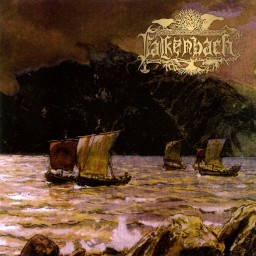
I’m just gonna come out and say it: it sounds too goofy. The flute and folky medieval instruments are playing melodies that sound akin to a festival or something. The atmosphere that’s built here is disjointed, as the heavier and darker, blackened aspects of the music do not agree with the more jovial folky stuff. It’s epic and uplifting sure, but not in a cool way. Vocals and instrumental ability are good, I’m just not always a fan of the melodies crated here.
However, this is almost entirely averted on the closing track, instrumental Baldurs Todd. More energetic double bass drumming drives an atmospheric soundscape that actually succeeds in conveying a serious, powerful atmosphere. It has all the power of a 90’s boss battle theme, but does unfortunately stray into silly territory a few times.
The album is fine, but again, the atmosphere just doesn’t work here, and for a style reliant on atmosphere, that’s a big flaw.
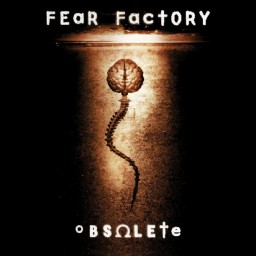
I was a fan of Fear factory’s Death Metal influenced, aggressive brand of Industrial Metal prior to this album. But here is where they really decided the guitars were never going to do anything interesting again. They become relegated to a third rhythm instrument, and without much in the way of keys or atmospherics, the album is left very one note. Overly reliant on chugs and near-Djenting drumming and guitar syncopation. Both harsh vocals and clean vocals are sub par, the former moving even further from Death Growls to more typical Groove Metal tough-guy grunts, and the cleans are just not catchy. The Electronic/Industrial sounds that do make appearances are usually annoying, not contributing in a positive way to the music.
These crippling weaknesses are thankfully averted for the final two tracks. Resurrection manages to be catchy with some Alt Metal influence, and the guitars actually create some melodic soundscapes rather than repetitive chugging. The final track “Timelessness” strays even further, opting for an Ambient/Chamber sound, a beautiful, poignant piece that easily manages to be my favorite on the album.
Thanks to these last two tracks, the album has value. But the majority of it falls into that monotonous stereotype of repetitive riff-less chugging that occurs when one mixes Industrial and Groove Metal.
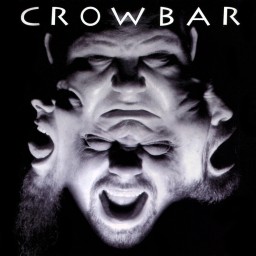
An unfortunate example of an album where the first (actual) track is far and away the best song on the album, and a bit misleading. After a moody intro, Crowbar open up Odd Fellows Rest with “Planets Collide,” their Doomiest song yet, with plodding atmosphere and emotional guitar leads paving the way for the destructive, pained vocals and lyrics. It’s a great song in evoking the pessimistic suffering when Sludge and Doom are mixed so well.
And then, almost all of the following songs trade this sort of atmosphere for a more Groove-oriented rhythmic chugging. Guitar leads are basically absent. Riffs are sometimes monolithic, but lack emotion. Rhythm section is more boring. The songs are still good, but pale in comparison to the opener and much of the band’s previous material. It does sound very 90’s and it’s got that stereotypical “we don’t need to write riffs if we chug” play style. Unfortunately this one was a big disappointment for me, especially after that first track.