
Rexorcist's Reviews


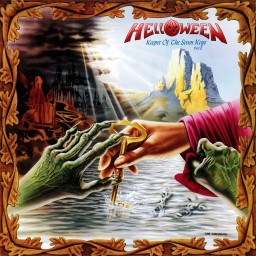
Helloween, the pioneers of power metal, made the genre possible from their early days. Their self-titled extended play was already showing early stages of metal brilliance, but that speed metal album was only the beginning. They had perfected themselves more and more with their albums Walls of Jericho and Keeper of the Seven Keys, Pt. I. And Pt. II cemented their footprints in the everlasting heavy metal hall of fame. Pt. II is everything a metal fan can ask for. While the structures of most of these songs are very poppy, making the album seriously accessible, the metal energy is still very strong. Maybe it doesn't reach the thrashing heights of Walls of Jericho, but the anthemic energy makes up for that. Anthems to freedom like "Eagle Fly Free" and "Rise and Fall" make a full grown man wanna jump on the bed when he's just chilling in the bedroom. But there's also a weird side to it, bringing out Helloween's jovial childishness. Songs like "Dr. Stein" and "Keeper of the Seven Keys" bring out the sci-fi and fantasy that so many power metal bands sought to imitate and build their images off of, but they hardly feel cheesy because Helloween weren't TRYING to do anything, they just did it. And with Michael Kiske's vocal range rising beyond the stratosphere and scratching Heaven, there's no way to resist the band's raw force.
Keeper of the Seven Keys is considered to be Helloween at its most iconic. And while I'm not sure I'd call it their peak, it's certainly something that needs to be heard. This was the first power metal album I ever heard, and because of that I got an early start on looking through dozens of power metal acts. But very few of them could replicate the energy and independence that Helloween stood for during the Kiske era. Purely incredible, and definitely essential.
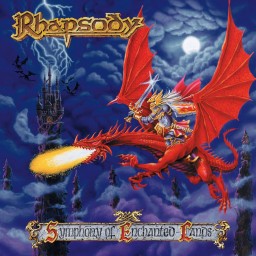
Rhapsody's second album, Symphony of Enchanted Lands, is a power metal fan-favorite for two very good reasons: 1. "Emerald Sword," 2. most of the album follows in the vein of "Emerald Sword." This reason both makes the second entry in the famous five-part metal opera their most famous, but also hurts the album. How? Simple. Did you ever find an album to be monotonous or samey? Unfortunately, half the songs of the album are essentially trying to be sequels to "Emerald Sword," bearing the same tempo, vibe, style of instrumentations, everything. But the thing is, they're following in the vein of "Emerald Sword." In other words, they're songs by the exact same band trying to recreate one of the most powerful and symphonic songs on Earth. As a result, the whole album is loaded with the symphonic power metal atmosphere they themselves invented and perfected more than BLind Guardian ever did. And as a result, we have yet another entire collection of jams that make it hard to resist the urge to get out the toy lightsaber you haven't used in years and pretend you're gonna slay a dragon with a band of metal mistrels at your side.
Most people believe this is the best album of Rhapsody's five-part album series, and their best in general. Well, I'm different. I believe it's the worst of the opera, but I do NOT, I repeat, NOT believe that this is their worst album period. I actually started their sixth album and got bored, so I shut it off. Because Symphony of Enchanted Lands is so accessible, it makes a great entry point for anyone looking to explore symphonic metal.
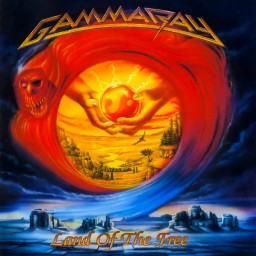
Helloween may have been the ones to pioneer the anthemic flow of power metal by singing about freedom and independence, but Gamma Ray were the ones to tell stories out of that feeling, and Land of the Free is a collection of those stories. I find myself putting on their incredible opener, "Rebellion in Dreamland" every now and then. The song is already incredible even if you have a bad speaker, but there are so many faint little details you catch with headphones, the only way to properly listen to this album. Its melodramatic feeling is so empowering it borders on alcoholic. But it's never too much because it never resorts to cheesy instrumentations like orchestral moments. It's all one heavy metal band screaming for freedom, the way metal should be. And the best part, the whole album follows in this vein. The direct follow-up, "Man on a Mission" isn't really one for melody, but it's certainly one for empowerment. There's no real reason for the next track, "Fairytale," to not be connected to "Man on a Mission," though.
Throughout the whole album, Gamma Ray switches from hyperspeed riffs to empowering anthems to beautiful melodies to occasional trumpeting segues, and the songs that aren't brilliant still have short bursts of brilliance, whether it be an incredible solo or just seriously heavy atmosphere. "Gods of Deliverance" is an example of the sheer heaviness driving a song when the riffs can be a little hard to hear under the production. However, this doesn't keep the album from boasting its presence better than Ramones ever did. And an example of a melodic song is "Farewell," which gets right down to the nitty-gritty of the ballads that metal bands like to include in between solid thrashers like "Salvation's Calling." There are even hints of prog metal, such as in the largely prog and speed-influenced Land of the Free, which likes to shift between a soft-spoken astral presence and bursts of metal thrashing.
How could I call myself a metal fan and not recommend this? Every time I listen to it, I find a lot of things I like, and a few little things I don't like, but those little things are never enough to keep it from a five-star rating. Whenever you need to feel independent or you feel like life has you in a cage, you need to just play one song from this album. And if you're a decent human being, you'll likely play the whole damn thing. Either that or "Rebellion" ten times in a row.
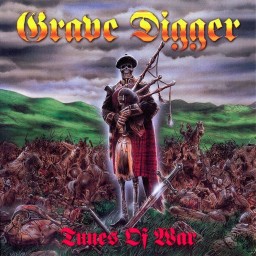
Grave Digger could never reach the heights of the giants of German power metal, and more often than not they fail to make something truly noteworthy. Such is not the case with Tunes of War, their best album so far. Backed up by a Scottish folk vibe to help bring out the vibe of its historical themes, Tunes of War is Grave Digger's roughest and most melodic album, and thus far the easiest to headbang to. And because it's unique from most of their discography, the album is also their most creative. After seven tries, Grave Digger managed to make an essential to any power metal collection, and would continue to do so with Exccalibur.
Stylistically, however, they offer little new. Their overall genre is still pretty much the same as most of their notable works, Scottish folk influence aside. They are all great takes on the typical power metal structure, but it's still a little typical, which is the only real flaw. Otherwise, I recommend this for any power metal fan.
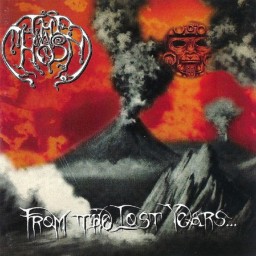
Two years beforehand, The Chasm released a fairtly impressive debut which had a little trouble balancing the death and doom atmospheres together, but still provided a sense of entertainment. We get much of the same on the follow-up, From the Lost Years, with its own strengths and weaknesses. The consensus is that this album is an improvement, but I'm not so sure.
I was not really impressed with the opener, The Gravefields. One of the major riffs was just going, nuh-NUH nuh-NUH nuh-NUH nuh-NUH, and it almost got annoying. Secret Wings of Temptation was a step in the right direction with a successfully progressive structure, and the doom elements were improved on as well, being a more serious piece of music rather than a simple genre-track opener. After these first two tracks, however, the focus of the balance between the album's three major elements is cranked up to 10, and the production flaws are largely made up for. However, since these songs are so long, they run the risk of getting boring. Once the balance kicks in, there are very few surprises left.
And... that's all I really have to say about it. If you're a huge death metal fan, then I imagine the fairly progressive structure should be enough to satisfy you for the 70-minute runtime. But in my honest opinion, this should've been cut to about half of it's length, because there are some real strengths of the album that improve on the debut, but thanks to drawing the songs out these improvements hardly matter.
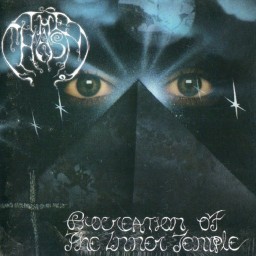
The one that started it all, right? Well, yes and no. There was no instant success with this one, but they showed some real promise here, since a couple of the songs actually kick major ass. At a time when genres didn't have to be combined, the influence of early doom metal is pretty apparent here. And while that influence would be discarded when the new stuff came out (as I read about), this is still worth listening to for the band's history alone.
The key thing about this album is that it seems to follow up where the demo left off: mingling death metal with doom metal, and switching between the two. The demo wasn't very consistent with that, but this decent debut combines the two seamlessly, especially concerning Honoris Lux Infinitus, which is one of the better tracks. The Day of Liberation adds a layer of prog and carries some of the best riffs on the album. Easily my favorite song on it. The album even revives the demo track The Cosmos Within, which was a decent song on its own in the demo, but with slightly improved production, the song's better.
The album isn't without its flaws. Early on, "Confessions and a Strange Anxiety" started to bore me. The riffs just weren't good enough to keep its hold on me. So sometimes the riffs aren't good enough. That, and the album isn't super-heavy by any means. The dark atmosphere can possibly make up for that, though, not in terms of quality but in being playable. And when songs get more progressive, they either pretty hit or miss, like the difference between The Day of Liberation and the atmospheric Lonely Walker, which are side-by-side.
Problems aside, I had fun with this one and I know if it had come out just now, or if it was 1994 and this had just came out, I'd find myself eager for the next album. It's said that this is their worst album, but that's only a good thing. That means the whole discography is worth listening to, especially if we've got such a high-quality song on the debut as The Day of Liberation.
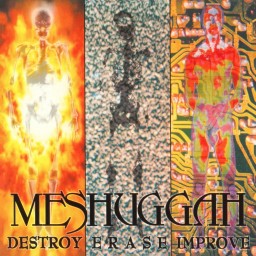
I admit that, even as a prog fan, I never really held djent in the highest respect. Not that I don't judge the albums fairly, but I never have the highest expectations for djent considering that it turned one of the world's most innovative music genres into a monotone mess full of would-be innovators that need to resort to grindcore and other like genres to have some sort of edge over Meshuggah. This is because Meshuggah, who invented the "genre" brought some sort of class to it on the first ever djent album: Destroy Erase Improve.
Out intro alone, Future Breed Machine gives us this Voivod-noise atmosphere while the band effortlessly takes us through thrash, industrial, and some weird Cthulhu shit that all feels natural because Meshuggah have their own fairly unique tone. And you really have to appreciate some of their weirder timing techniques, molding 120 BPM drums with 180 BPM guitar riffs like it's nothing, and when it's not thrashing its riffing with the same kind of energy displayed by some of the best guitarists in metal. Soul Burn is one of the slower songs on the album, being more groove that thrash, and it pulls many of these tricks with perfect personality mingling with a healthy sense of art. And this djent album also leaves some room to just thrash out, like with the shorter song Transfixion. And while Vanish combines thrash with djent, its behavior in heaviness and structure is a more akin to death at times.
You may notie that I only covered the first half, well that pretty much shows you what we're dealing with. Side B starts us off with a calmer electric guitar instrumental that us soak in the vibes while we cool ourselves off after such menacing examples of Meshuggah's power. And it does a pretty good job at it (although it doesn't match some of the segues in Issues). The problem here is, after the sixth track, it largely runs out of freah ideas. I mean, unlike Hetfield in Ride the Lightning and Majewski in Butcher the Weak or Jax Coleman in Extremities, our singer here is mostly just shouting the same way usually does. And on top of that, all the ideas that were present on the first five tracks are pretty much repeated, so the variety suffers a little bit. But overall, the album still builds itself on its strengths while largely justifying the flaw. There's no denying that Meshuggah were a very creative band at one point, and they've managed to maintain their rep in the music industry. However, it would be nice to see them try to reack the creative hieghts of Destroy Erase Improve instead of just trying to maintain their djent rep.
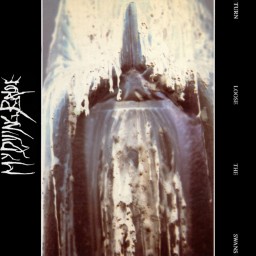
Each time I complete one of my top 100 "insert genre here" charts on this site, I go over to the next metal genre. The death metal binge of mine involved some acts that occasionally steered into "death doom metal," like Obituary did on Cause of Death. So I decided after comparing a couple doom albums before my death binge, like Idolum by Ufomammut and The Dreadful Hours by My Dying Bride, I decided it was finally time to revisit those classic gothic and doom masters and re-evaluate the other albums of theirs I've heard. Everyone seems to love Turn Loose the Swans, so I went for it.
This metal album is made of several epics, and the opener is a much more simple one, Sear Me MCMXCIII, which is a simple piano / darkwave track that builds itself on monotony and simplicity, forsaking darkwave ambiance for pure instrumental hypnotism and enough slight changes along the way to keep the song inventive. But as simple as this beautiful opener was, it couldn't prepare you for the ever-shifting follower, Your River, which goes over a plethora of different riffs and even genres a little at a time before going into the song. Although this should scream "inconsistency," the effect is metallic and mesmerizing. Songs have a tendency to shift their focuses from the previous track, and this includes structure and layout. Despite the gothic metal bits we get, there are even times for pure death metal like during segments of The Snow in My Hand. Speaking of The Snow in My Hand, sometimes the changes are very abrupt, so be prepared for that. The album rarely looses inconsistency for it as their ambitions and their romanticism are both working together perfectly.
Any faults? One. While the production gets everything across clearly, I feel like the overall atmosphere of the album pales slightly in comparison to my favorite doom album: The Dreadful Hours. Otherwise, this is a very ambitious album where the band is getting a much stronger grasp on what they wanted as a unique metal band. Their love for the romantic and their desire to be great musicians really showed a healthier take on metal than what a lot of metal bands have been doing for years and relying on the art of a single genre for credibility. A little less gothic but a bit more progressive than the later Dreadful Hours, I'd say if you're going to get into doom metal, Turn Loose the Swans is obligatory.
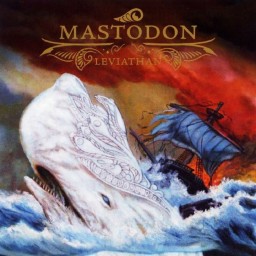
From their debut, Mastodon had made a name for themselves as masters of riffage, and they continued to do so even when they abandoned the faster-paced punk sound and wrote the Moby Dick concept album that made them big: Leviathan. And damn is this album a leviathan of riffage. The whole album displays Mastodon's knack for very carefully placed melodies and riffs, treating each song like a radio jam by keeping things short, sweet and more effective as a result. And it helps that all of these jammers are freakishly catchy prog that's easy to get into, notably its opener, Blood and Thunder. Yes, there is in fact a prog epic on this album: the thirteen minute Hearts Alive and yes it does get a little old. But the truth of the matter is that it's still a very catchy album. It also helps that this is one of their heavier and sludgier releases, so there's a good reason to love it. Maybe it doesn't have that versatile behavior from Remission or Blood Mountain, but this is a prog metal classic nonetheless, and one that I would recommend as the first non-Dream-Theater prog metal album you should play if you want to get into more of it.
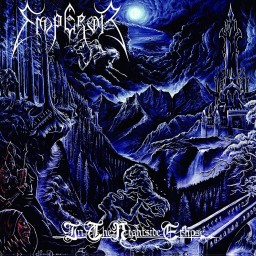
Emperor's debut, In the Nightside Eclipse is a classic for many reasons, notably all of the things that made it so unique for its time. Emperor created the symphonic black metal genre by committing a taboo worse than human transmutation, killing your parents or putting pineapple on pizza: synths in black metal. Cue Carmax commercial ending. But because the group took it seriously by using a thin layer throughout the whole with a more gothic and cinematic approach than anything, as well as going head-to-head with some astounding riffs and melodies, Nightside Eclipse became an instant classic.
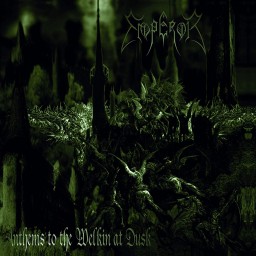
What we have here is a thematic improvement on every aspect of Nightside. The elements that comprise Nightside are a heavily present but thin layer of dungeon synths, melo-traditional behavior and clean production. On Welkins, everything here is not only improved, but refined like a purified crystal, now with some or another power of night, darkness, yadda yadda. The album is one of those that goes through a plethora of influences ranging from some of the most blatantly gothic synth the genre has, newly found progressive styles, and the original genre components of Nightside, all purified... but like Butcher the Weak, it recycles the same influences throughout more than half of these songs. This is because of the final element of Nightside: the shifting riffs and layouts. This is what united the identities of Nightside as one whole, and it largely does the same here. But I'll be damned if I didn't honestly say that each melody and riff wasn't great if not incredible. I gave Butcher the Weak five-stars for that behavior because it worked, and this 40-minute maelstrom of gothic evil lasts without a real blemish throughout its 40 minutes. I mean, technically each song is predictable when you think about it: heavy start, several symphonic riffs, abrupt ending. But each song is pulled off in an almost beautiful manner.
There is dirty, edgy and speed-based metal like Darkthrone or Immortal which knows how to amaze, and then there's the orchestral presence of Emperor, especially on Welkins, where the album doesn't simply "emit demonic energy: it glows black and violet behind its thickly green album cover, never oozing or dripping, just glowing. The definition of the album is majesty, and is a rare example of me giving an album with "technically" samey behavior on a song-to-song basis five stars. The finest tuned axample of symphonic black metal I can think of, Welkins is a rare breed by a band all about crafting a different kind of breed each album. All of these songs amaze with the various influences, and that shows something: Emperor can actually get away with the behavior that leads many bands to write the same song over and over again, because Emperor still had new rhythmic and melodic tricks up their sleeves.
Black Metal had been out for about a decade by the point of this album's release. We already had a revolution that was beating Venom at their own game, a dorky club pretending to be a cult before someone killed the founder of the club, and of the genre, and the same year as this album was the long awaited release of Mayhem's debut studio album. By this point, Darkthrone had cemented itself as one of the greatest metal bands on Earth to the masses, and Immortal was just starting. It had a crazy run before we finally got to Emperor. Unlike grunge, black metal lived on because it was a niche market that relied on negative rep. Emperor might've lost their lead influence, but they didn't lose their willpower.
In the Nightside Eclipse was their first outing, and to this day it remains one of the most emulated black metal albums on Earth. In fact, this album represents a lot of firsts. The most notable "first" of this album is the dungeon synthesizers, which were an unholy sin that even black metal fans wouldn't commit. That's boldness for ya'. And it's not ham-fisted or cheesy in anyway shape or form; they're gorgeous in their Gothic behavior, creepy as hell and add a thick layer of personality without being overused. Another one is the clearer production. The guitars might be quite dirty, but through the clean production you get not only the most of the beautiful synths, but the most of the guitars. let the shredding handle the, ahem, dirty work.
Our singer, Ihsahn, has that absolutely perfect voice for the job. If you're familiar with their second album, Anthems to the Welkin at Dusk, you might recognize something about this album. It sounds more like typical black metal, right? Right and wrong. These guys were one of the first bands to really perfect what the pure sound of black metal is with the right production, except they also had a symphonic sound to work with. So instead of being Darkthrone knockoffs, they became something more medieval, fantasy-inspired and epic. In a way, they totally beat Darkthrone, making a new sound even more fresh, something these guys would do continuously throughout their four album streak. They were a great bridge between melodic, traditional and the newly formed symphonic brands of black metal. In other words, this album is purely essential by any definition for technical and melodic proficiency. On top of that, it sounds exactly like its incredible cover wants you to think it sounds like, so there's a perfectly fitting cover, and one of my personal favorites.
Although it must be said that most of these songs sound very much the same. I wouldn't be true to myself if I didn't point that out. Maybe I need to compare this to their "worst" release, Equilibrium IX, but I feel that they had every ability to try to write songs with different approaches and they completely neglected that in the long run, relying on smaller surprises in a few areas rather than trying new things. At least the album never gets boring. But on top of that, I think there's a newfound diversity that's still there, especially for its time. On top of the aforementioned balance between traditional, melodic and symphonic black metal, there are notable traces of gothic metal and prog metal to it, so despite its obvious flaw it's actually quite revolutionary. Because of this, there's a constant aura eminating from what could be a perfect black metal sound in general, something that's difficult to achieve, and Emperor somehow found a way to make it look easy on their first album.
In the Nightside Eclispe will be iconic throughout the rest of metal history. It's going to serve as an example of how to perfect the black metal sound, even though it suffers from monotony in comparison to more creative outings by not only Emperor but by other bands. If your going to check out Emperor, I suggest you do it in chronological fashion. This is the kind of album that will keep you headbanging throughout its entire run. For all of its innovations, this is at least a mile ahead of the earlier traditional black metal classic, A Blaze in the Northern Sky by Darkthrone.
1987 was one of the most incredible years in the history of recorded music. We had experts of practically every genre belting out some of the most amazing compositions you've ever heard, even reaching parts of your soul you didn't know you had. Most famously, Guns N' Roses had released their diversified and spirited street rock debut Appetite for Destruction, which is ranked among the finest debut albums ever, Def Leppard had improved once again on their essential arena rock album Hysteria, Swans mastered their sense of atmospheres with a wide-ranging album called Children of God, Dead Can Dance let out their best album, Within the Realm of a Dying Sun, Webber's Phantom of the Opera made it to vinyl, Paul Simon kickstarted a worldbeat fad with Graceland, Jackson followed up Thriller with perfection on Bad, and even Karajan released the most haunting version of Requiem I've ever heard. I haven't even dived into David Sylvain, U2, Helloween or Dinosaur Jr. here.
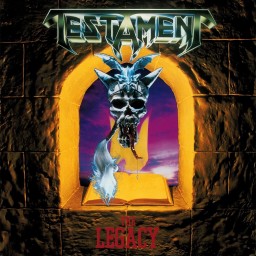
With so many raw classics from many different worlds, you're probably wondering, where's the thrash metal? Right here. Testament's The legacy is yet another powerful debut which spelled nothing but good for the band's future. While this style had largely been done many times before, taking a couple little points away from the originality, you'd be hard-pressed to find any riffs this insane that came out during 1987. Some of Skolnik's riffs even rival that of the works of Slayer on their albums Seasons of the Abyss and South of Heaven. The Haunting is one of the finest examples of just how wild the band can go. And another excellent plus is Chuck Billy's voice. He sounds like that darker middle ground between Dave Mustaine and Vince Neil with all of the good attached and none of the bad. And because his voice is deeper than both, his overall sound is just extraordinary. Chuck's got the perfect voice to replicate if you wanna start a pizza thrash band like Havok.
While this is an absolutely standard thrash album as far as its sound and diversity goes, the musicianship is peak and the riffs are some of the best in the whole genre. While I can't really compare this to some of the more creative legends like Rust in Peace and And Justice for All, this comes close and deserves to be checked out by anyone getting into metal, not just thrash. Even if all you like is cheesy stuff like Acheron, I'd still recommend this.
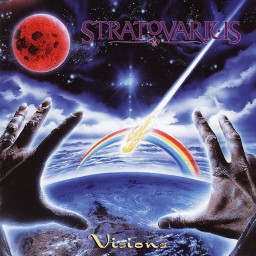
Finland is a key country in the power metal scene. If I had to think of a "Big 4" to describe Finnish power metal just as thrash has Metallica, Slayer, Megadeth and Anthrax as their official four is music discussion and marketting, and just as Germany's "Big Four of Power Metal" is Helloween, Blind Guardian, Gamma Ray and Running Wild, I'd have to say that an official big four for Finland's power scene would be Stratovarius, Nightwish, Sonata Arctica and Children of Bodom. The most famous album from this group seems to be Nightwish's Once, but the most iconic among metal fans seems to be Stratovarius's Visions, which showcases the band's best efforts and made the efforts look easy. However, I also feel that it's easier metal to make than most other acts.
I think the biggest reason why Stratovarius are so big is because they are uncannily good at atmosphere. Sometimes their music just gets otherworldly, and this sometimes makes up of the lack of anything truly spectacular in metal's essential fields of rhythm and force. As far as I'm concerned, the finest example of Finnish power metal is Sonata Acrtica's sophomore, Silence, for its clever handling of the progressive and neoclassical influences. But the truth is simple: Stratovarius got their first, and the influences are more noticable because Stratovarius had much more practice by that point. This is also likely the reason why Visions is considered the finest Finnish power metal album in the world. The rhythms certainly have a lot of jam-factor and atmosphere, which makes for a beautiful combination here. But the truth of the matter is that the album isn't perfect for one very good reason: these melodies aren't the most original or outstanding. You don't have to be a prog band to think of something new, and I don't really feel like the album offers anything new. It does, however, offer a lot to like, since they make atmosphere look not only easy, but accessible. So I'd say that this largely unremarkable album is driven by a form of imagery that is exactly what metalheads want in the vein of science fantasy vibes.
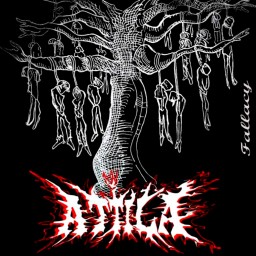
I'm gonna be fully honest, this is one of the worst pieces of trash I've ever heard. Deathcore is supposed to be a true tstament to the bridge between the extremist forms of hardocre and metal, yes... but that doesn't mean they can pretend their Frank Zappa and just wail like hell and expect it to work. Right Squidward? There isn't a single likable thing about any of the songs. Any simple, cheap-ass rhythms are brought down even further by terrible production and the most unintelligible wailing I've ever heard. The only thing the album could've had going for it is consistency, and even then that just means there's too much. It gets tiring too quickly. At least this was their worst album. They improved greatly once they became a nu metal band... yes, that is precisely how bad this album is.
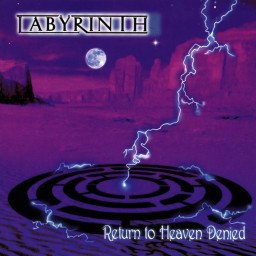
Italy is just as essential to modern power metal as America or Germany. Let's keep in mind that there are three power metal songs the world loves to emulate, usually the first three that comes up when you google "power metal songs": "Through the Fire and the Flames" by Dragonforce, "Mirror Mirror" by Blind Guardian and "Emerald Sword" by Rhapsody. Now Rhapsody redefined symphonic power metal with their metal operas, but that doesn't mean that's the only kind of power metal worth looking into. Before Rhapsody, there was Labyrinth, and before "Emerald Sword," there was Return to Heaven Denied, an album with a focus on perfecting the tropes of contemporary power metal, and it succeeds in every way. The problem is simple: they aren't popular enough in AMerica to talk about...
Depending on whichever effects and instruments they use, RtHD displays Labyrinth's signature sound faintly switching from typical power metal to light sci-fi to light fantasy. The many elements that contribute to the album are never quite overused, so you get the full power metal experience without any serious risk taken. On top of that, the album is quite heavy. "New Horizon" is an excellent example of just how rough and nasty their guitars can sound, despite the fact that their primary focus is atmosphere and melody. And "The Night of Dreams" is an example of how the album can switch its focus on different types of metal without losing consistency. It's easily more recognizable as a prog metal ballad in the style of Dream Theater than straightforward power metal. Neoclassical organs, synth effects and violins can take over in focus without a direct genre-switch, and it can get to the point where a song can simply focus on beauty and an aquatic/heavenly feeling like "Lady Lost in Time" before coming back at you with the heavy power metal. And the act of drawing songs out is rare on this album, despite the obvious progressive behavior in several songs. And because these extre-stylistic elements are used lightly, it feels almost as easy going as Sonata Arctica made it out to be on Silence. And sometimes we have songs that focus almost purely on heaviness, but still have room for neoclassical melody, like "Thunder."
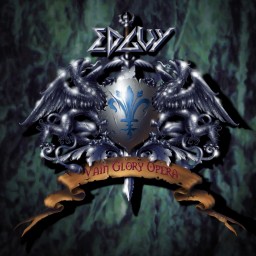
Edguy seems to be an essential for power metal fans to look for, especially due to the album Vain Metal Opera. Edguy was Tobias Sammet's band before forming the superior Avantasia, and the connection can be seen. Truthfully, Edguy's best albums are worth checking out, especially this one, even though it's a pretty standard album.
The album starts with a symphonic intro that focuses more on lyrics and vocals than anything, which isn't exactly common for power metal intros. However, the obvious attempt to be the next Helloween is pretty obvious from the start. One can find faint traces of Avantasia coming out of the music, traces that will fully bloom by the time Sammet founds the band. But until then, we're relying on heaviness ans riffage. With the symphonic sound occasionally popping up, one has to ask, does this really stand the test of time? Well, it certainly has a strong air of independence, and there aren't many power metal albums heavier than this. And for a little while at least, the album shifts its emotional focus without losing its consistency, even if it's steering near minstrel territory like "Scarlet Rose" does. The band didn't need to try hard to maintain their sense of drama. The heaviness and occasional classical vibes carried that feeling strongly. Basically, the album is occasionally acting like an opera, and it succeeds more often than it fails.
Overall, the album is very heavy, quite dramatic as a result, and has a lot of great rhythms. The problem is that there's almost nothing here that stands out as "amazing," but this is still a good enough album to recommend, especially if you like the 80's power metal works.
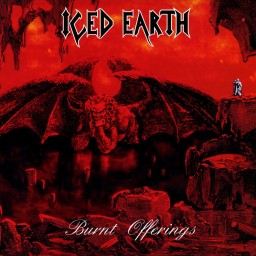
I understand that right now, Iced Earth is cool to hate for reasons every metalhead knows about. I really don't want to get into that, because the music itself can still be really good. In this album's case, the music is absolutely phenomenal. It's unpredictable and includes a plethora of influences from the entire metal spectrum, such as the combination of death metal and symphonic metal in the title track. And yet, this feels completely consistent with the obvious doom metal sound of "Diary," which includes surreal instrumentation in the background to make the aura more distressing and authentic before flat-out morphing into a heavy/power metal song. Not only that, but this is the most melodic album they've done during their classic era, and it's full of dark and Gothic imagery that Cradle of Filth wishes they could achieve. This is the kind of consistent genre-hopping that made Hell II so brilliant. "Brainwashed" even begins with a Gothic low-toned solo reminiscent of some works of Metallica before emerging into an otherworldly extravaganza of symphonic keys and psychedelic riffage pairing with the death metal beautifully. This track is thrash first and formost, but Iced Earth obviously didn't care about limits or status among a specific fanbase they way they clearly did on Night of the Stormrider. It's also worth noting that this is one of their heaviest songs.
One thing that could potentially annoy people is the album's uncommon but noticeablehabit of changing genre and tempo instantaneously with little to no sense of buildup or transition, which might feel a little "cut and paste" in its behavior. And yes, it has annoyed people before. Then again, the segues on Nightfall in Middle-Earth annoyed people before, as well. Honestly, the songs suffer only very so slightly that this oversight on Iced Earth's part is completely made up for by everything else. Besides, the habit itself only happens occasionally. It's practically no problem at all in the second act. All things considered, this album does way to many things beyond right. Iced Earth proved that they weren't just another metal band who popped out a great album with Night of the Stormrider. Even for just one album, they evolved to a level of metal blackness that is hard to achieve without letting musicianship suffer.
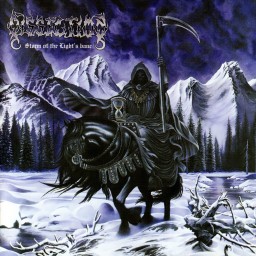
If you're first getting into black metal, then one of the first names you're going to hear is Dissection, specifically in regards to the album Storm of the Light's Bane. This album was once the number 1 black album on RYM many years ago, and had been dethrones by the overrated Filosofem by Burzum for many years. In recent times, it's reclaimed that position, and stands as a major player in black metal even now.
Now I'm a guy who very, very rarely gives single-genre albums a perfect rating. There are only three instances I can think of in which I've done that: Songs of Leonard Cohen, South of Heaven by Slayer and Almoraima by Paco de Lucia (that's flamenco, btw). And I'm not quite sure I'd give SotLB that just yet, but I completely understand if a lot of other people in the world would. For a single-genre album, this remains pretty original throughout and never once gets tiring. This sophomore effort is certainly not just an exercise in skillful riffage and drumming: it's a poetic testament to the power of black metal, downplaying some of the death metal that was carefully combined with black metal in their first album, allowing for some of the most excellent melodies black metal has ever featured. It's very difficult to pick favorites out of the group, because the consistency in songwriting and performances makes it that difficult. Even when you've heard the genre and basic sound before on previous tracks, they keep finding ways to impress you. Even when they're recalling old tricks, it's the way they're organized that impresses.
It's certainly a much catchier album than before, and gets the winter vibe across perfectly without relying on winter production. This is an essential for a reason: it's mostly so well done that it's a threat to beat. I'm not even sure this sound has been properly emulated yet.
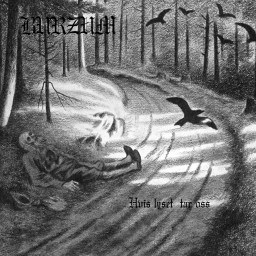
Looking at old reviews for albums is a good way to see just how much you've changed. In this instance, it's one of Burzum's crowning gems, the one he wrote right before his legendary (tho overrated IMO) Filosofem. The name is Hvis lyset tar oss, which is Norwegian for "If the Light Takes Us." At this point in time, much like Filosofem, I can't say I like this one as much as I used to. I even knocked off a whole star from my Filosofem rating when I heard it. But I don't think I'll go quite that far. Back then, I liked Filosofem more, by a 2/100 edge (92 vs. 90). This time, I'd say I like this much more than Filosofem, which only had a 93.
In my old review, I mentioned that Burzum expressed his anger perfectly. I really don't think so anymore. Hearing so many professional and even frighteneing shrikes and growls in my time as a metal fan, now Burzum's voice sounds unpolished and even a little dorky, like he's trying either too hard or not hard enough. Otherwise, the music itself is pretty good. I got it right in my older review when I said that Burzum delivers on the basics of atmo-black well enough. This album is cold and treacherous, much like an actual blizzard. There are synths in the back but they're typically faint and not forced, working just well enough to add a little spice to these four epics. But the thing about these epics is that they largely have a one-track mind, so once again, it's more about the atmosphere than the music. Still, it's a careful, though not too experimental, blend of atmo, despressive and traditional black metal with a little dungeon synth on the side.
So I would say in my current state as a music buff that Burzum;s album right before Filosofem has the edge. I didn't really expect to like it more than Filosofem at first, but I'd say that this one feels more like an actual music album, and it doesn't have an overdone 25-minute ambient track at the end, but rather a synth track which feels like something out of a Tangerine Dream album (it has a 14-minute one, which is still overdone but easier on more melodic ears and actually showing clever shifts in gear).
76
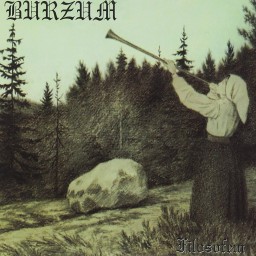
Many have considered this album THE black metal album, due to its pioneering sound, diversity and heavy influence in various genres, including dungeon synth and ambient as well as its metal subgenres. As for myself, I always acknowledged the talent displayed here, to an extent, but never once to the extent that many have given it. Like other atmo-black albums, I considered this a great album before. But now that I am very different as a reviewer and metalhead years later, I've been looking back at the more repetitive classics as overlong or messy or lacking or whatever. I don't consider this a weakness, however, as I've been known for some wild hot takes, so I'm prepared to take on one of the most classic black metal albums in the world.
The leading issue is that certain things drag on too long. One of the lesser examples is the lead riff for Jesus ' Tod. Now the production is beautifully noisy and despondent, and the walkie-talkie quality of his blackened vocals was an excellent decision for the song, and for a leading vocal style. Production is easily the strong point, which is easily how its been able to influence so many atmosphere-based genres. Problem is, I've been falling out of favor with some atmo-black albums because so many of them drag on, and Filosofem is no exception. Having these songs last eight minutes at a time is kind of concerning. I've heard worse black metal albums that tried for more, so the production is the strongest point, second being the despairing and angry moods. But honestly, I shouldn't be asking a music album to STOP, especially when the repetition goes on for 25 full minutes on end with an ambient track which takes up 80% of side B. It should've had ten minutes taken off. I don't understand the man's line of thinking here.
I will continue to acknowledge the strengths of the album, and appreciate that there are those who love good solid atmospheres to calm them down or simply resonate with. But the way I see it, this is a music album, and that means creativity should be consistently challenged and justified, and there isn't a lot of it going on in these songs. The album is surprisingly well-produced, perfectly ambient and atmospheric, but lacking in imagination beyond that. If you're a metalhead and you just want to soak up moods then this is likely the album for you. It might be an atmosphere album, but it's also a black metal album, and plenty of black metal albums have done more with less time.
73
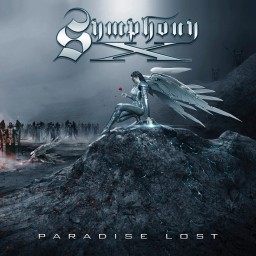
I only recently became a big fan of Symphony X. By this point, I've heard almost all of their albums and I'm been finding myself going back to the albums I've already heard more often than most prog bands I've heard, even my ex-favorite Dream Theater. This is progginess at a very creative level, and they keep being creative even by today's standards. And one of those shining gems is ironically their most accessible, Paradise Lost, which sacrifices some of their signature neoclassical sound (the genre they perfected) for more straightforward prog.
The album starts out with the band's best "intro" song, "Oculus Ex Inferni," which boasts the band's strongest symphonic sounds yet. Honestly, the intro is so magical that you'd have to wonder if James Horner wrote it. Then "Set the World On Fire" comes up, and it's probably Symphony X's heaviest song so far. There are significantly less neoclassical elements as a result, leading the organ the band loves so much to be an occasional element of instrumental focus.
Obviously, Paradise Lost was an attempt in making their most "metal" album, and while I willingly promote the progression and right to change a signature sound, the album did come off as a little samey at the end. But these guys have not lost any of their identity; they just cranked the power of their prog and power metal up a notch. In "Domination," it's more of the same but with a little more groove. Nevertheless, Russell Allen is wailing like he's got something to gain, and as a result there's a lot of spirit and power in the songs, and he keeps itself from being "too much," even though the extra power could potentially be considered too much when compared with past albums. There is more of this kind of vibe with the edge factor cranked up until we reach its first ballad, the title track.
That title track is fucking addicting. The instrumentation of the 6-6-6-7 timing of the intro is one of the most beautiful opining melodies I've heard, and the rest of the song progresses along with that beauty. True, the lyrics to the verses are damn typical, but the chorus is so beautifully worded that it almost doesn't matter (besides, the lyrics are still better than the damn catchy Huntik theme). And once we reach the guitar solo, it manages to be a metal solo but still carry that melodic beauty of the intro well with its very high pitch. I just wrote a full paragraph for the once song.
Immediately afterwards, we get the heavy metal riffage of "Eve of Seduction," which carries an attitude only seen in 80's-90's hard rock and grunge for most of it, so the song itself ends up being a real jam, despite the fact that it's still susceptible to the progressive nature of the album. Afterwards is the second-to-longest track, "The Walls of Babylon," which begins with a surreal Babylonian instrumentation... but then tricks you and goes right back to the heavy metal. Still, the way the international influences are mingled in rings heavily of the best works of Therion. It's also their most progressive song on this album, as the metal, symphony and progginess switches around for three-and-a-half minutes until we get our lyrics.
Afterwards is "Seven," which is the most blatantly power-based and neoclassical, ringing some memories of "The Divine Wings of Tragedy," despite the fact that its cheesy power metal lyrics ring of past heavy-power acts like Grave Digger. Next is "The Sacrifice," and I don't have much to say about this one except that it's yet another great ballad, but nowhere near as good as the title track because it's more melodramatic, and once again our friend Russell feels the need to wail like a lion. And finally, we hit the big grand finale, the epic "Revelation," which carries a tone, structure and vibe very reminiscent of "Evolution" from their previous album V: The New Mythology Suite, carrying a very strong heavy prog presence, and vocals by Russell which aren't as loud or over-the-top.
Diehard prog fans may be turned off by the newfound accessibility of Symphony X, but this is not to say that they sold out. The musicianship is still at peak level, even though it's more straight-up prog than neoclassical. Honestly, if you like your metal heavy, the this is definitely the Symphony X album for you. It's not a worse Symphony X, just a more traditional form of prog metal (and I separate "traditional" from "generic" in this instance). I give this my highest recommendation, as it is a perfect entryway into Symphony X and prog metal.
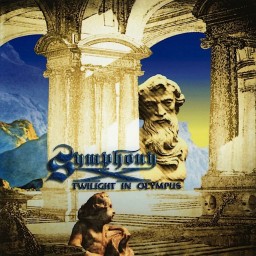
Symphony X are pretty much the go-to band for the neoclassical sound. Yes, there were earlier guitar pioneers, like Yngwie Malmsteen, but Symphony X are about the BAND, not the riffs. It took three albums for them to perfect the art of riffage, thus being the firest neoclassical prog metal act. Divine Wings of Tragedy is seen by some as their opus, but they hadn't yet mastered the art of album-making, which requires some diversity to stay as strong as possible for an hour. That's something Divine Wings of Tragedy didn't quite have. Twilight in Olympus had it in spades, and because of that I feel it is my proud obligation to express my opinion that Twilight in Olympus shows clear superiority over Divine Wings, which is an unpopular opinion to say the least.
Divine Wings of Tragedy was all about the progressive riffage mingling with the classical, but it was pretty much one kind of classical. Twlight in Olypus sounds like it is in fact a magical album, one that givies into the glitter without giving up the crunch. Because of this, the more surreal and mythical moments feel so natural that it's easy to float on a cloud whiles and at the same time headbanging. This is very true for some of the more conventional songs as well, such as the incredible opener Smoke and Mirrors and the later Orion, which mingle the pop structure with the neoclassical prog sound beautifully. But our show stealer is the thirteen minute epic, Through the Looking Glass, which recounts the story of the same name with a type of magic unheard of in previous Alice in Wonderland songs, one that does everything a prog epic should, deliver a part of a rock opera while carefully balancing out the multiple essential aspects of rock, metal, prog and classical. bsolutely flawless.
This album carries a lot of tricks up its sleeves that Divine Wings didn't have, and to this point the album is only surpassed by the band via V: The New Mythology Suite, and closely followed by Paradise Lost. This is THE essential neoclassical sound which anyone hoping to get into the genre should probably check out first. This is also the album I return to the most when I want serious magic.
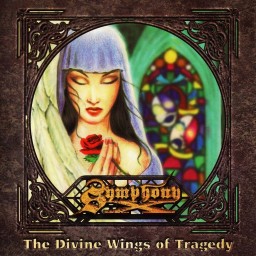
Aside from the solo careers of Vinnie Moor and Yngwie Malmsteen, there weren't many people taking part in the more neoclassical side of metal. Two bands can be thanked for bringing classical to metal: Blind Guardian and Symphony X. Blind Guardian started as a thrash band and eventually evolved into a more classical one over the course of six albums. Symphony X, however, started immediately. But they needed practice in making it sound good. By their third album, The Divine Wings of Tragedy, they had done it.
Divine Wings of Tragedy is a 65 minute blast of symphonies and and technical riffage that never once lets up. The first and foremost aspect of the album is the art of the tune. Yes, there are plenty of moments where the band goes off on hyper-technical construction where some might call it pretentiousness, but the truth of the matter as that every note, every progression and every effort to capture the essence of the Western Classical era is lived up to. SOme of the most incredible guitars solos I've ever heard are on this album, and practically the whole album is incredible. And their singer, Russell Allen, gives it his all. His range is at full display as he knows when to sing like a rough and nasty metal artist, when to be more soft-spoken and to reach soaring heights.
There is one faint problem with the album. The entire album takes right after the opener, "Of Sin and Shadows," which means despite being incredible, it's essentially predictable by the end because the pace itself isn't really changes and these songs don't really have their own identity. But for some, that may not matter, because as a metal album, it's practically a perfect example of how to balance riffs, melodies, aethetic and meaning. This is a very complex album in terms of structuring. And it serves as a great entryway into the neoclassical genre that Symphony X redefined.
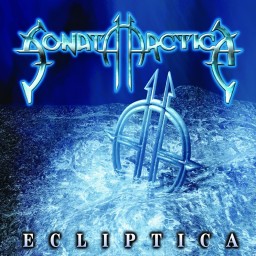
I discovered Sonata Arctica through their sophomore release, Silence, and I fell in love with it. At the time of playing their music for the first time, I was aware that the metal masses consider their best release to be their debut, Ecliptica. I wasn't fully converted, but I admit this is far better than most power metal albums I've heard. Sonata Arctica's sense of magical energy and hyper-jovial attitude reached soaring heights right from the get-go as neoclassical guitars effortlessly carry the overpowering mood from one track to another. Ecliptica boasts some of the finest power metal solos and riffs known to man, and the band made it look easy, proving that they didn't need any time to develop their style over the course of their musical career. They were already brilliant. The key factor in the difference between Ecliptica and Silence is that the latter boasted more diversity, switching from power to prog to neoclassical to ballad to jam to epic. The debut is different in the sense that most of the songs, while typically brilliant, are effectively attempting to achieve the same goal of hyper-jovial energy and riffage. But nevertheless, this album boasts early stages of brilliance, and it's a shame that the Sonata Arctica albums of recent times can't carry that same spirit anymore.
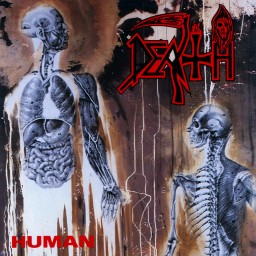
The creators of death metal, the very band the genre is named after, weren't just a bunch of guys that did really good metal. They KEPT ON revolutionizing the genre. All this started when they released what was potentially the heaviest album ever made with their debut: Scream Bloody Gore. It ended when they made death metal an accessible genre with their sixth album, Symbolic. And in the middle of that was a strange progression from the ultra heavy sophomore, Leprosy, the more technical but still underwhelming Spiritual Healing, and the album that turned death metal into an intelligent genre where one had to actually think, you know, beyond making gory sentences out of long words and medical terms. They turned death metal into a metal genre for thinkers and intellectuals, one that was all about exploring the human condition, and that album was named: Human.
This is the second-to-last album to feature the traditional tone of Death albums before they raised the thrash influence on Symbolic. This also means it bridges the gap of general accessibility between the raw thrashing and the lighter and more melodic introspection. So suffice it to say, this is the most representative of the whole Death catalogue. Because this is the first to get really technical, the drummer hired from Cynic was allowed to get crazy with it and build a real beat-based album by just being himself. The intro of our first track, Flattening of Emotions, literally opens up with the drummer bridging a weird gap between tribal atmospheres and jazzy technicality. This is a major factor for what makes Human one of those albums where tempo changes feel so fluent and natural, and the rest of the band is doing what they can to keep up with that technicality. This also has to do with the clean production and the flawless flow of the album, the latter of which leads me to call into question the typical criticism I have where an album's songs are a little difficult to truly differentiate from each other because of so few changes in style, save for the softer and more melodic instrumental, Cosmic Sea. I mean, how many blastbeat sections need to be at 200 BPM? This isn't a symphonic power metal album.
Human redefines death metal in a plethora of ways. It captures the roughest and nastiest sides of the band's music without relying on the goriness of previous albums, because there's a lot of room for intelligence and sophistication that they rarely wasted. This album is the definition of effort, as an overwhelming amount of it was put into the idea of composition. Death pulled a Wes Craven by focusing less on the rated-X sex, gore and yadda yadda, and focusing more on themes. In other words, Chuck grew the hell up. And while the recycling of the same base structural ideas does get on my nerves slightly, I'm still going to commend this as the standard sound for what a death metal album should be like.
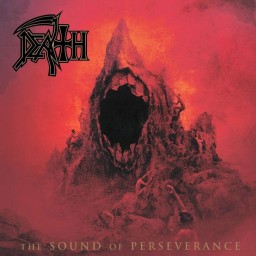
Death's boy Chuck never stopped trying to rewrite the game. It even went so far as to being less heavy so that Chuck could get his fanbase to focus on different concepts. That's why he formed Control Denied, which is really pretty much Death under a different name. But this is the album where the human emotion that Chuck wanted to connect with drives the album do fiercely that it bleeds. It overshadows the heaviness and yet pairs with it so beautifully through every song, even to the ending cover of Judas Priest's Painkiller. When I think about it, this must be the easiest Death album to really connect to, due to the understanding of sorrow as well as general death metal anger. The decision to be less of a death metal act and more of a prog metal act seems to be what allows the human condition and the highly personal tones of the album to really shine, especially with that lead guitar tone of choice pulled right from Symbolic. Not only that, these melodies are the most intriguing that Death has ever been, progressing like a freaking movie. I imagine this is a very fun album to play on guitar. So to put it even lightly, this swansong of the band Death is a nearly perfect one.
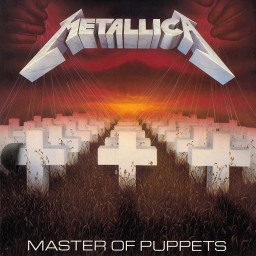
There was a time when I just wasn't into this album, going as far as to consider it heavily bloated and a little too thrashy. Maybe I just wasn't into thrash at the time. I had to take some time to get used to heavier metal, and eventually I did. At that point, this was my number 1 Metallica album for a while. But I always felt this itching feeling like I was overrating it a little. At this point, I've come to accept Ride the Lightning as the better Metallica album because despite the fact that Metallica's style had fully matured during MoP, RtL was the better METAL album.
Master of Puppets is a lot like a companion piece to Ride the Lightning. Both albums start out with a moody acoustic melody, but I'd give the edge on the intro to MoP. "Battery" might not be as heavy as "Fight Fire With Fire" (although that's a high bar for heaviness), but the songwriting is improved, and the melody is catchier. The title track is probably Metallica's crowning achievement, because its level of poetry and melody, as well as the progressive nature that would define many songs of MoP and In Justice for All, were all at their creative peak. The album shifts from thrash metal monstrosities to slow and doomy songs which may evolve into eruptions, thus bridging the gap between thrash metal and 890's heavy metal akin to the level of brutality displayed on Iron Maiden albums of the time. But Metallica were a little more Gothic. After two thrashers and two songs bridging the gap between the two genres (and ending with a prog influence akin to RtL's "Fade to Black), the album gets right back to thrashing with "Desposible Heroes," continuing this theme with the weakest song, "Leper Messiah," similarly to how RtL continued the thrashing with "Trapped Under Ice" and the album's weakest song, "Escape." And finally, the proggy nature of the final two tracks on each album end it with bursts of creativity that act as proper finales, with the only difference being that the seventh song and the ending instrumental of RtL have their album positions switched on MoP.
The album's darker tone and cleaner production are part of the reason metal maniacs have accepted this as a contender for the finest metal album ever made, but I still feel that it's slightly bloated in comparison to RtL. But the dark vibe, incredible lyrics and pefect melodies are so addicting that the replay value of this album surpasses many other metal albums. You could play this twice in a row and not get tired. This is one of thrash metal's finest achievements, and proved to the world that Metallica were the next true artists, and that brutally heavy metal has a purpose.
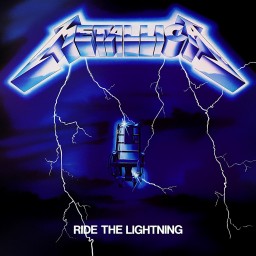
In my younger days, like many other young peeps, my knowledge of Metallica was practically limited to The Black Album and a couple of singles from the earlier days like “Master of Puppets” and “For Whom the Bell Tolls.” I wasn't fully in tune with thrash. Well as I got more in-tune with thrash I had Master of Puppets ranked as the number 1 metal album of all time. But I didn't put in in my top 20 despite how much I love metal because I always considered it a little bit bloated. Well after a lot of personal growth and re-evaluation of my life, I also re-evaluated how I rate some music, especially metal.
At first I was NOT willing to give Ride the Lightning a spot above Master of Puppets (I even had And Justice for All ranked above it). Why? Simple. Puppets' production is much cleaner, the rhythms are more developed and progressive, and Metallica's style fully matured. After re-assessing myself, I realized that the big question was not “What's the best Metallica album,” but “what's the best METAL album?” If my metalcore phase taught me anything, it's that any type of production is acceptable depending on the situation. Let's be honest. Ride the Lightning's production but not be as clear as that of Puppet's, but it really is way more metallic. They obviously came a long way in that short one-year time when the were one of the best up-and-coming metal acts playing typical early thrash, and became the very band that defined thrash.
Believe it or not, my first encounter with Metallica's “Fight Fire with Fire” was not a pleasant one. Before I was used to the idea of thrash metal (or even heard of it for that matter), I would originally type the name in to look for a Kansas song. I wouldn't hear the actual album until four years later when I first started exploring music forums and charts. It would take a few years more for me to grow fully accustomed to the harshest side of metal, and that included death metal and black metal. I have Symbolic by Death to thank for that. It was the first death metal album I had ever heard and I gave it a 100/100 right then and there. The whole point of making this the opener is to give you an idea of how much power your exposing yourself to. By the time you're done with the album, you'll already be glowing blue. Da ba dee. I mean, after that soothing guitar solo at the beginning, you're dealing with BOOM BOOM BOOM! They don't call it “Ride the Lightning” for nothing! The way that atmosphere in the production works just makes it more metallic! Sure, the intro to the opener isn't as good as the one from Puppets, but it's overall a better song than “Battery.”
I admit, I'm not so well emotionally connected to “For Whom the Bell Tolls” as many other Metallica fans are, but I'm not denying that it's one of the high points of an album loaded with high points. Taking a literally dramatic shift from the thrashing thunder of the gods, the early stages of the poetry that would be seen on Master of Puppets drives this song as much as the heavy metal melody. “Take a look to the sky just before you die, It is the last time you will. Blackened roar massive roar fills the crumbling sky, shattered goal fills his soul with a ruthless cry.” Edgar Allen Poe's getting owned here. Screw the talking raven (OK, that's my screamo band name). Much of Metallica's best "guitartistry" is boasted on “For whom the Bell Tolls,” each player doing their part to add their unique vibe to the aura and all work as well as any harmonized group while still being very creative.
Now we get to the crown jewel of Metallica's songs: “Fade to Black.” This was Metallica's first ballad, and it was recorded at a time when James Hetfield not only had some obsession with death, but had to deal with much of the band's equipment being STOLEN, including his favorite Marshall amp! Damn. As you can imagine, that helps set the mood for one of Metallica's most iconic songs. The poetry of “For Whom the Bell Tolls” continues as one of the most beautiful and emotional moods in all of power ballad history ends side B of this album. There's no need for crazy solos when you can feel the sadness touching you. How human can a song get? It does get heavier towards the end, but that's a Metallica staple right there. That doesn't stop Hetfield from delivering some of his most heartfelt vocals in his career.
Alright, the first half of side B is considered the weak point of Ride the Lightning, but what album doesn't have a weakness? I admit, I'm not in love with the intro to “Trapped Under Ice.” It slowly gets better until WEEDLY-WEEDLY-WEEDLY comes along, returning to the raw thunder of the first two songs! Even though it's more like one of the basic thrash songs like on Kill 'Em All, the Ride the Lightning energy is still there, never damaging the album's flow or consistency. I mean, come on. Is speed metal not the perfect subgenre to feature on a thrash album? Besides, for a song about literally being trapped under ice, the lyrics are really freakin' good. The song almost feels crossover-thrash-esque the way it rides on energy and quick reactions.
“Escape” is considered the worst song on the album, but I like the intro more than I like the intro of “Trapped Under Ice.” It's more rhythmic and true to the Metallica style. I think the problem here is that it's written more like a song from your average hard rock / heavy metal album instead of one of the first thrash albums. Maybe that actually works, considering that the roots of thrash come from acts like Deep Purple and Black Sabbath. Hell, I wouldn't mind a good Scorps cover. Besides, the song still rules overall. The solos are still great and the lyrics are still human and relatable.
“Creeping Death” is one that I find particularly interesting because of its lyrical content. As opposed to the satanism often showing in albums at that time, Metallica decided to write a song about the Angel of Death from the book of Exodus! Well, you gotta keep the concept strong somehow. Although the song is more formulaic to the thrash stereotype, the badassery is at its peak. “Creeping Death” is balanced out between Metallica's energy, sense of rhythm, and lyrical drive. Unlike every other song on the album, it doesn't rely on solos to make its mark because of its balance.
“The Call of Ktulu” is the closer, and the only instrumental on the album. This nearly nine-minute epic pretty much covers everything that was going on throughout the album but with a deeper sense of mystery than every other song. Starting out with that slightly creepy solo was the perfect way to go. Like other prog-infused epics of its time, it slowly gets heavier and relies on a clever collection of combined solos to make its mark on the album. I don't know about you, but I think that's a perfectly epic way to end such an incredible album.
It's so utterly weird when you finally catch on to why an album is so great, because a whole new world opens afterwards. Ride the Lightning opened up a whole new level of understanding in the world of thrash (and maybe metal) for me, and I plan on making the most of it. In my opinion, it's the single greatest example of metal in the world. It's atmosphere is flawless, the energy of the album is rivaled only by a select few like Pleasure to Kill by Kreator, and the theme and concept never suffer. In fact, Ride the Lightning is much better at delivering its concept (of death and humanity) than most albums are at delivering their own concepts. It goes without saying that Ride the Lightning is an indisputable essential for any metal collection, and I'm glad I love the album as much as I do now.