
Saxy S's Reviews



Dan Swanö has a knack for rewriting the songwriting textbooks. He did it once in 1996 when Edge of Sanity released Crimson, and in 1999, Swanö did it again with Moontower. The heavy emphasis of the synthesizers as a melodic instrument is a huge boost to this album and it provides some remarkable counterpoint between them and the vocals. It had a way of reminding me of Jordan Rudess and the best keyboard moments on the early Dream Theater albums. The vocals are intense and are complimented by a strong backbone. Songwriting is less interested in full on aggression and riffs, focusing more on strong melodic leads and catchiness. "Encounterparts" is one of the best progressive instrumentals because of its insistence on returning to that primary prog hook from the beginning (Dream Theater could learn a thing or two). If this album had fewer harsh screams, I would assume that this was intended to be AOR. Reminded me a lot of the band Nightingale. Moontower, for me anyway, shows a level of maturity from Swanö that is seldom found in progressive music even today. Being able to show off your technical proficiency is one thing, but if you cannot do it in a way that is engaging with the audience, you just look like a try hard. Dan Swanö pulls it off beautifully on Moontower.
Best Songs: Uncreation, Patchworks, Creating Illusions, Encounterparts
For Fans Of: Edge of Sanity, Opeth, modern Amorphis
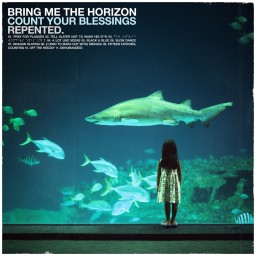
Counting Nostalgia Points
I never liked the earliest Bring Me the Horizon albums. Not until There is a Hell... [et al.] did I ever start to notice anything of value in this bands music. Once they kicked the deathcore out of their sound, their songwriting dramatically improved. So twenty years after the release of their debut LP, Count Your Blessings, BMTH (Bring Me the Horizon) re-recorded it and published it to the world. For what reason I have no idea!
The deathcore days of BMTH are long behind them and this blatant display of nostalgia farming is disappointing. I get it; the online metal spaces cannot shut up about how "bRiNg mE tHe hOrIzOn wERe sO mUcH bEtTeR wHeN tHeY wERe dEaThCoRe". But if you wanted to make a deathcore album in 2026, why the fuck was your first thought to re-record the old albums instead of just making a new deathcore album? It would have been just as bad as the old stuff sure, but that would have least required effort.
This album is not just performed bad, with all of the same tired tropes I've complained about in modern metalcore for years, but it's also performed with the atrocious songwriting techniques that made Myspace deathcore (i.e. Job For a Cowboy, Suicide Silence, Chelsea Grin, etc.) so unbearable twenty years ago! The guitar mixing is sloppy, the percussion has been amplified, mostly in the bass drum, creating that terrible wave effect in my speakers. Oli's harsh screams might be the best part of the album since they haven't shown too much rust in two decades (I was expecting them to be much worse). As for the songwriting, you know the drill; songs that cannot figure out what they want to be as they modulate in-and-out of motifs and riffs like a kid in a candy store, whiplash tempo changes, irritating use of the pinch harmonics and shout out breakdowns that you can predict from three songs away.
I guess to wrap up the review I should probably talk about the actual new song here. "Dehumanized" proves my point. It still not very good, but because BMTH actually had to write a new song, it does have some modern trends from the band, as they try to weave their way through both the past and present. It sounds like a song that Make Them Suffer would write if they were still a deathcore act.
I see no purpose as to why this album exists. If a band wants to fully embrace the nostalgia and revert back to a sound that initially made them popular that's fine, but at least prove to me you're going to put in some effort for it. My review of Survival Horror: Nex Gen stands when I said this band is playing catch-up to the rest of the metalcore world. Except now, BMTH aren't catching up, they're falling backwards.
Best Songs: A Lot Like Vegas, Dehumanized
For Fans Of: Suicide Silence, Whitechapel, Despised Icon

The sophomore release by Brazilian based progressive/post-metal/death doomers Loneshore is a confusing record. That's not to say that I don't like it; the quality of the songwriting and unconventional structure sucked me in and would not let me go for the entire fifty-plus minutes of runtime. However, Nothing Left to Deconstruct is an album that feels more like an amalgamation of the sum of its parts instead of a cohesive unit. When the album begun with "Straylight" and "To Stride the Black Earth", I could hear the influence right away. Imagine if Tool wrote more heavy songs, with seven string guitars and more death metal howls from Maynard, something closer to that of The Ocean. And I really enjoyed it; "To Stride the Black Earth" in particular with its unconventionally short runtime. "Of Lost Waters" starts off with a neat riff that sounds influenced by "Windowpane" by Opeth. "Birth of a Mountain" and "Parhelion" are both good as well, and even have segments that feature Mastodon-esque sludge metal grooves. The main issue I felt was that even though these influences were indeed influential and not blatant rip-off's, I still felt myself getting sucked out of the experience. I really enjoyed the variety found within this album, but it kind of felt like too much at some times, which was odd.
If the mixing of this album was worse, I would probably view this record in a far less positive light. The production is splendid allowing every note and word to be performed with expert precision. As the album shifts between styles and influences, so does the mix. Clean guitars on "With Nothing We Part" sound weighty even beyond their lowered tuning, while tremolo guitar leads are balanced with the vocals, creating some great counterpoint. The percussion is tight and draws the album forward even during its more contemplative and slower sections. The vocals of Luiz Felipe Netto take some getting used to, especially his death metal howls. They don't sound particularly dense here. A healthy dose of reverb and bass boost could have done wonders. The clean singing on the other hand is well done; Luiz shows a great vocal range and dynamic variety.
I wanted to enjoy this album more, but something about it just irks me. I can tell immediately that these guys have chops and their approach to songwriting is unique and very interesting. But as a whole, Nothing Left to Deconstruct also has the feeling of an identity crisis. Perhaps giving it more time will really bring it home, but I don't really want to have to deconstruct this album for another eight years to find out!
Best Songs: Straylight, To Stride the Black Earth, Parhelion
For Fans Of: Tool, The Ocean, Spirit Adrift
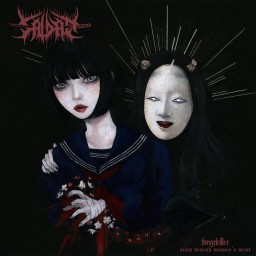
It is hard for me to remember the last time I had anticipation for a black metal album. Part of the reason for that is newer acts have been boring it up with many of the same tired trends in modern black metal that have left a sour mark on the genre for years. I've certainly had records surprise me over the past year and a half, but the joy of expectations (and having them met) is a feat seldom felt. That's where Saidan comes in.
Coming into my radar in 2024 with Visual Kill: The Blossoming of Psychotic Depravity they left a noticeable mark after a year that was depraved of decent black metal. The combination of black metal with j-rock, with divergences into punk and thrash, it made for an uplifting release that was packed to the brim with riffs, melodic motifs and solid production. This time around, Saidan have moved away from the indie's and are signed with Avantgarde Music. With the transition comes their longest album to date, but also their most diverse and passionate.
And once again, Saidan nailed it. In fact I might even call this their best. The main riffing in the guitar is grandiose as it goes back and forth between soaring melodic leads and devastating chugging rhythms. The bass is prominent most of the time and gives the low end of the mix some weight and makes tracks like "Razorblade Temptation" and "Kara No Bara" unbelievable forward momentum. I love how the percussion is performed here; the black metal blast beats are strong and precise, but the switchbacks to the punk skank beats, while the guitars continue the same riffing as before, helps grow each tune to tremendous heights. The vocals are ferocious and relentless, while still leaving the listener with enough room to breathe and reflect.
The riffing on Fangdriller: Scars Beneath Memory's Wrist is in top form. The recurring motifs on "Ethereal Blood", "Her Lips Pressed Against a Coffin Nail" and "Kara No Bara" are some of the best I've heard in a while. The slower transitional periods are a wonderful change of pace on a normally blistering album. The interludes between "Stained Glass Sin/Fang Driller" and "Beat to Death" are stunning, however they give the impression that they belong to the overall song structure as well.
As a whole album, Fangdriller does nearly everything right as it flows between different song styles. It is still a black metal album, so variation can feel limited at times, however the revolving key changes prevent the album from becoming too derivative. And each melodic lead has just enough variation from the songs around it to give each one a fighting chance to stand up and be remembered. In summary, Fangdriller is the kind of black metal album that will knock you back with its intensity and determination, but will keep you wanting to come back for more with a impressive run of killer melodies and punchy riffs.
Best Songs: Razorblade Temptation, Immersed by Eternity's Blade, Kara No Bara, Her Lips Pressed Against a Coffin Nail, Ethereal Blood, Beat to Death
For Fans Of: Svalbard, Stormlord, Deafheaven
As I've gotten older, I have become less tolerant for long, overbloated records. I squirm at the idea of an album longer than fifty minutes, especially when it comes from the metalcore scene. And even more so when the album is as blatant a nostalgia grab as This Room Could Be Heaven. by concealer.
But here's the thing: This Room Could Be Heaven. is concise and straight-to-the-point. "Vanity, a Fractured Promise" starts the album with a bang and the record keeps going for almost the entire time, minus a few atmospheric post-rock passages. Those sections are probably this albums greatest fault, because on a record that runs shorter than half-an-hour, there is no room for meandering. Many of my favourite metalcore and thrash metal albums of the past five years have a no bullshit policy that they follow almost to the letter, and while this record is short and concise, it does not really abide by that policy for long.
That being said, there are some interesting moments here. "Color Slowly Fading" is an early record standout with a nice chorus that could have been borrowed straight out of an old Underoath album. The same can be said for "...And the Sunlight Spoke", which includes one of the few examples of a post-rock bridge actually complimenting the songwriting. On the flipside, the combination of "I" and "II" does not really do it for me. If the band wanted to treat "I" as an interlude, it could have worked, but "II" creates the illusion of being this ruthless hardcore slam, only for that song to subdue into more post-rock nonsense and it becomes a massive letdown.
At the end of This Room Could Be Heaven. I was underwhelmed. I could tell that concealer. have a knack for production and could tell you every miniscule detail about The Opposite of December... A Season of Separation. What pains me is that concealer. do not have that much to say about themselves.
Best Songs: Vanity, a Fractured Promise, Color Slowly Fading, ...And the Sunlight Spoke
For Fans Of: Skycamefalling, Poison the Well

Protest the Hero return with just their sixth full length studio album and it left me feeling strange at first. I, like many of the early returns of Within, was entirely shocked by the bluntness and profanity ladened first two tracks "Mouthpiece" and "Fishhook". PtH (Protest the Hero) are a band well known for their flowery language and poetry on Keiza and Fortress that sounds very professional and thoughtful, whereas this sounds like it was written from the perspective of an eighteen year old who just attended their first political science course in university.
All that being said, something about Within really grips me on repeated playthroughs. It sounds more human and grounded in a real place rather than an imagined one. It reminds me in a way of two of my favourite records from 2020: Katie Pruitt's Expectations and Spanish Love Songs Brave Faces Everyone (quite the ironic comparison since PtH dropped undoubtedly their least juvenile record Palimpsest in the same year).
Within does become less vulgar as the record progresses, which does help it a little bit more. While later songs such as "Liberty Spike" and "The Mariner" also have the added benefit of reverting back to a nostalgic sound for PtH, its the middle section that stands out to me. "Grandfather's Axe" is quite the fun romp for a progressive metal band. And then there is "The Orchard", which also has nostalgic references to previous PtH material, but it's the lyrics that bring this song, as well as the entirety of Within together. Rody sings:
It may be hard to gauge this stanza under context, since PtH are a progressive metal band and not the easiest of music to digest. But many great political albums over the last five years have been excruciatingly challenging to approach and appreciate for how simple they are (basically the entirety of Tool's discography).
Thankfully PtH have made listening to this album a breeze with their compositions and production. "Mouthpiece" opens up the album angry and the vocal olympics being done here are superb, as well as on "Liberty Spike". The riffing in the guitar sounds epic and heavy without shifting too far away from the melody. "Grandfather's Axe" is another romp where the drumming of Mike Ieradi takes control. All the while Rody Walker's vocals adds some flare that sounds reminiscent of Daron Malakian. While the tracks "The Orchard" and "The Mariner" are more calm, they can still hit thanks to some marvelous mixing of the guitars and bass, which allows for those calming breakdowns at the end feel so much more rewarding.
What is found Within might be a shock for longtime fans of this band, or progressive metal in general. But given how juvenile the current state of affairs is, perhaps PtH are on to something here. People praise Rage Against the Machine for their raw and vicious approach to songwriting, why can't others do the same?
Best Songs: Grandfather's Axe, The Orchard, The Mariner, Mouthpiece
For Fans Of: The Dillinger Escape Plan, The Human Abstract, System of a Down

Draconian return with album number eight in hopes of maintaining the momentum from their last two triumphant albums: Sovran and Under a Godless Veil. Draconian have been one of the most consistent and one of the best death doom metal bands of the 21st century and In Somnolent Ruin is no exception.
One thing that this band are remarkable at is creating tension. Some of that can be attributed to the unbearably slow grooves on "The Face of God" and "Misanthrope River", but some of that can be attributed to harmonic dissonance as well. Tracks like "The Monochrome Blade" have an eerie chord progression to them and they immediately stand out amongst the more romantic/passionate yearning throughout most of the albums promotional singles, including "Anima".
Despite the early returns, I actually did not mind the return of Lisa Johansson on vocals. In Somnolent Ruin is an album that is trying to follow in the footsteps of Under a Godless Veil, while at the same time bring in a nostalgic sound that also harkens back to the classic LP's like Arcane Rain Fell. Other reviews for this album suggest that they wanted more of a nostalgia trip with a return of the conceptual album, with even more of the quasi funeral doom that was present before. But in reality, Lisa is just returning to a band that has been in pristine form for just over a decade. I see no need for this band to just pack it up and start playing their old stuff again. And besides, Lisa has done a phenomenal job on In Somnolent Ruin anyway! The opening line of "I Welcome Thy Arrow" is such a harrowing moment for Lisa and the rest of the band, before Anders enters the fray with his iconic harsh scream that feels both contemplative and resolute at the same time.
This album is at its best when its playing into the classic death doom sound. The production is superb; produced almost all in house. The rhythm guitar and bass play with authority and power, while the lead guitar on "Lethe" and "Cold Heavens" is stunning. The percussion work is doing lots of heavy lifting as well; even though it might not seem like the drums are doing very much, the mixing allows those limited hits of the snare or kicks of the bass drum to resonate and drive the music forward. When the dreamy interludes happen ("Asteria Beneath the Tranquil Sea"), they sound good just as they did on Under a Godless Veil and give the album a sense of purpose. Unlike the Genghis Tron album I reviewed yesterday, these interludes and just that; they come in and bring down the intensity and volume of the record for only a moment, before the rhythm guitar, bass and drums return while Anders howls once again in the tried and true Draconian form.
While the album is really good and an easy recommendation for those who like Draconian or death doom in general, I wouldn't call it a masterpiece. Draconian fans know that this discography is titanic in quality, so a record that has aspects that feel very predictable may be a bit concerning.
Best Songs: The Face of God, The Monochrome Blade, Misanthrope River
For Fans Of: Trees of Eternity, My Dying Bride, early Katatonia
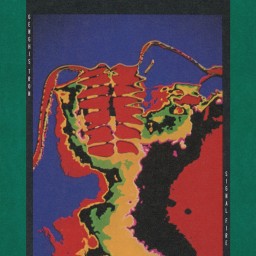
I do not fuck with Cybergrind. That shouldn't be too much of a surprise since, prior to 2021, I had no idea what Cybergrind even was! It's the merger between industrial music and grindcore. That was the primary descriptor given to Genghis Tron's debut album, Dead Mountain Mouth in 2006. Since that time, the band has moved further away from that introductory sound and closer to dreamy post-metal. Alas the music has become more uninteresting the less heavy it became.
So hearing Signal Fire for the first time left me feeling a little bit more upright than I was expecting. You see, Genghis Tron have followed in Deafheaven's footsteps and released an album that shows an appreciation for the past and builds upon it. In short, Signal Fire is the love letter between Dead Mountain Mouth and Dream Weapon. It isn't grindcore by any account, but it does return to some of its heavier roots of their previous releases while still retaining some of that dreamy atmosphere that made up the last album.
The album starts off on a great foot with "I Am All" with its heavy bass presence and the return of harsh vocals by Tony Wolski. Then the album trips over itself with two interludes sandwiched around one of the albums weakest tracks, "Future Worship". I feel like "Tomorrow Mirage" has a great idea through the first four minutes or so, but spends the final half of the track meandering in a very uninspired dream segment. The whiplash that I felt when the interlude "Without Form" transitioned into hallowing blast beats and and more vicious screaming was intense, but even that song cannot maintain that momentum for its entire length and transitions into plainspoken vocals with a light instrumental texture that sounds closer to American Football instead of Cult of Luna.
I'd like to say that Signal Fire is a more interesting album than Dream Weapon, but it's a lot less cohesive. I think that the three interlude tracks that are dispersed throughout the album kill whatever momentum may have been building up to those points, and helped even less by songs that cannot retain momentum either. Despite all the negativity, I still think that Signal Fire is a step in the right direction for Genghis Tron. Hopefully this flame can get them back on the right direction and make the type of post-metal that sounds more like Genghis Tron and not a cheap copy of someone else.
Best Songs: Born Prey, I Am All, Nothing Blooms in the Hollow, A Love So Pure
For Fans Of: KMFDM, Neurosis, Chat Pile

I could go into one of those shitty AI music program software and ask it to generate a djentcore album, and it would likely be less generic, derivative and boring than ERRA's Silence Outlives the Earth. Silence would have least been variety.
Best Songs: Cicada Siren, I. The Many Names of God
For Fans Of: Periphery, Currents, Invent Animate
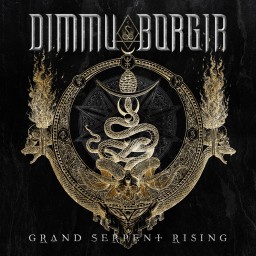
The long running Norwegian black metal band, Dimmu Borgir, have made a habit of writing and releasing high quality, powerful music. And Grand Serpent Rising is no exception. When the music hits and this album begins its "Ascent", it travels far and wide at a blistering pace. The guitar riffing is filled with energy and intent, the bass lines are super strong and give the rest of the instruments room to breathe, the percussion work is superb, borrowing from the classic black metal of old, while also having room for some ear splitting moments as well (i.e. "Repository of Divine Transmutation"). The symphonic backgrounds are also splendid; parts of this album have little callbacks to the great Emperor and the dynamic influence the symphony plays on Prometheus.
That's all the good stuff. Unfortunately, while Dimmu Borgir keep their songwriting chops in top form, they've also kept their piss poor structure for an album in the same shape. I've like Dimmu Borgir albums before, and I can point out individual songs from Puritanical Euphoric Misantrhopia, or Enthrone Darkness Triumphant, and Abrahadabra that stand out, but you won't catch me listening to any of those albums in full anytime soon. This band has consistently pumped out overbloated albums for over three decades and it seems like with Grand Serpent Rising, that trend is getting worse! This is not helped at all by the bands always on full speed aggression that they continue to pump out album after album. It's hard to deny the quality of the music found within this album, but songs like "Recognizant" and "Repository of Divine Transmission" could have been so much better if, either the songs themselves had been trimmed down, or the album as a whole.
Best Songs: As Seen in the Unseen, Silk Minnes en Alkymist, The Exonerated, Shadows of a Thousand Perecptions
For Fans Of: Septicflesh, Rotting Christ, Enslaved
The Ghost of Tomas Lindberg
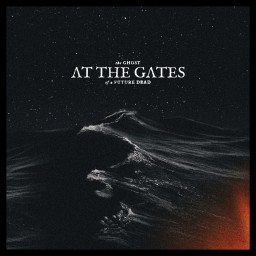
It is with trepidation that I finally get around to reviewing what may very well be the final At the Gates album. One of the fundamental bands that I discovered during the mid/late 2000s for introducing me to heavier/extreme sounds in metal music. I want At the Gates to send us off on a stellar finale, but because of circumstances that span well outside the range of this forty-two minute album, this swan song turns out to be less impactful than expected.
Now I try going into these types of reviews with a preset that a record released posthumously should not affect its score. Sometimes the emotion is justified (i.e. Trees of Eternity's Hour of the Nightingale) while others leave me feeling more empty. The Ghost of a Future Dead meets me somewhere halfway between the two. On one hand, At the Gates are quite influential on my life as mentioned previously, but on the other, this record is brought down the same reason as Avenged Sevenfold's Life is But a Dream from a few years back. In both cases, the lead singer had been dealt a terrible hand and it drastically affected their voice. Tomas Lindberg's cancer diagnosis as well as the treatment must have left his vocal cords destroyed and you can hear that with how shrill the vocal delivery is here. Jens Bogren has done all of the amplification and modification possible to make the vocals sound adequate, but even that falls short most of the time. It's an album that doesn't compliment its shortcomings very well.
Which is a bit of a shame because beneath the vocals is a very solid melo-death album. The instrumentals are very good and deliver some top quality riffage and melody. Early tracks and promotional singles lead the way with "The Fever Mask" and "The Dissonant Void" being early album standouts. "Tomb of Heaven" hits hard and reminds me a lot of Slaughter of the Soul in its presentation/execution. But it's after that song that the album just kind of flattens out. The second half of the album drags on and has no standout features that haven't been done already, and better, in the first half of the record. After the penultimate track brings everything back down and prepares the listener for the finale, "Black Hole Emission" continues in the exact same style as what was brought before. It is a lackluster way to end an album that was already losing steam about five songs previous.
And so, after more than three decade career (which included a lengthy hiatus), At the Gates seemingly comes to its end. And in a weird way, The Ghost of a Future Dead follows in the career of At the Gates in its presentation. The first few tracks are heavy and driving (The Red in the Sky is Ours), which is followed by about two or three songs that grow even more aggression (Slaughter of the Soul) before resting on their comfort zone during the albums second half (At War with Reality, To Drink From the Night Itself). This is not the way I expected these giants of the Gothenburg death metal to go into that good night.
Best Songs: A Ritual of Waste, Of Interstellar Death, Det Oerhörda
For Fans Of: Dark Tranquility, In Flames, Arch Enemy
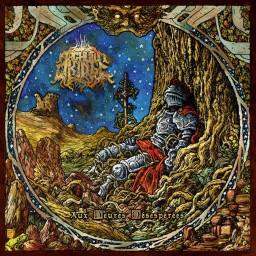
This is a fully flushed out medieval black metal record with a lot of power and grandiosity, while still having the room/time to leave some space for pieces of reprieve and recollection. Unlike yesterday's review of Stormkeep's newest album, Archvile King are not afraid of their dungeon synth inspiration and use it both as a powerful intermediary, as well as complimenting these strong black metal foundational tunes. Musically, the album is quite diverse while still maintaining strong motifs. Furthermore, the record does not have a moment of wasted space. Production of the album is splendid with plenty of low end to make songs scream and howl. Speaking of howling, the vocals on the record are deliberate and visceral. This sounds like the type of black metal record so many major record label bands wish they could make, but are restricted from doing so. Sometimes it pays to be independent.
Best Songs: L'excusé, Sépulture, Le chant des braves, À ces batailles abandonnées
For Fans Of: Véhémence, Obesquiae
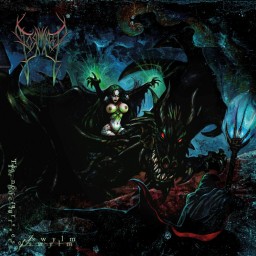
The sophomore album from Denver's Stormkeep is a bit of a double-edged sword. On one hand, you can tell that Stormkeep have learned their lesson from the debut, Tales of Othertime, that they are not very good progressive songwriters. As such, the song structures found on The Nocturnes of Iswylm are more streamlined with more recognizable melodic hooks, shorter runtimes and more aggression. The downside is that much of what made Stormkeep's debut so memorable has been lost; the symphonic backgrounds and dungeon synth passages have been kneecapped in favour of more traditional melodic black metal. Because of this omission, the fundamental black metal music is now lacking in that kick to push it over-the-top. This isn't like an Emperor album where the symphonic accompaniment is actively contributing to the songs/albums progression. Stormkeep used to do this with their debut, but now they have been so muted or omitted altogether that The Nocturnes of Iswylm becomes a record that just lingers without momentum. It's a shame because these guys showed enough potential years ago to potentially be the next modern Emperor or Summoning.
Best Songs: The Taste of Immortal Blood, The Black Dragons of Iswylm, Echoes in the Vasts of Sequestration
For Fans Of: Summoning, Caladan Brood, Vargrav
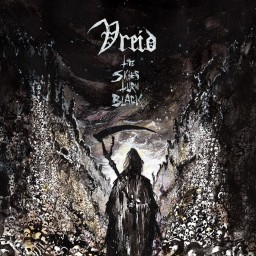
Vreid are a long running Nordic Black & Roll band and The Skies Turn Black is the bands tenth(!) studio album. Now, going into this album, my experience with Black & Roll has been decidedly minimal. I think I reviewed an early Kvelertak album many years ago and left my exploration of the genre at that, thinking that it was cool in concept, but maybe not so much in execution (the language barrier may have also played a crucial role). Well I would never have guessed this group, unbeknownst to me and, surprisingly, most of Metal Academy's regulars, made something of this quality two decades into their career.
What I enjoy most about The Skies Turn Black is the heavy Ghost influence. Now I know in many metal circles, admitting you like Ghost is worthy of excommunication, but I stopped giving a shit what the metalcore kids think is cool a long time ago and I think Ghost is awesome, and it seems like Vreid think Ghost are awesome too! The guitar riffs sound taken straight out from a record like Meliora. The heavier touches are added tastefully as to not entirely squash the catchy riffs. And the vocals have a touch of intensity to them that could never be replicated by Tobias Forge in the AOR sphere. The Skies Turn Black adds enough texture from the complimentary instruments (strings, synthesizers, etc.) to give it something closer to gothic rock. And the guest vocals from Djerv on "Loving the Dead" are such a beacon of light around the heavier "A Second Death" and "Build & Destroy" (although I personally think the the promotional single version of "Loving the Dead" is much better).
As Ghost moves further away from the heaviest sounds on Opus Eponymous and Meliora, and more towards the headliner stage, it left a void in my heart for heavy textures, with that arena rock appeal. Vreid hit the mark well on The Skies Turn Black.
Best Songs: The Skies Turn Black, Loving the Dead, Chaos, The Earth Rumbles
For Fans Of: early Ghost, Enslaved, Mork
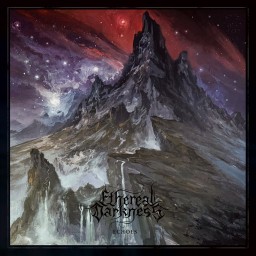
The sophomore album from the Belgium death doom outlet, Ethereal Darkness, comes with a smattering of high praise from those who have heard it. I found this a little surprising, considering I believed that the bands debut record, Smoke and Shadows, was a fairly pedestrian and overall uninteresting piece of death doom metal. So after almost seven years, Ethereal Darkness have put in some effort to make Echoes sound much more thoughtful. The music within is not cookie cutter and even attempts to branch out from its roots; I particularly liked the shaded black metal influence that appeared on songs like "The Cycle" or "On the Edge of the Cliff". The number of tracks has been considerably reduced from the debut, but have been replaced with extended runtimes. And on some level, these longer songs can work. The closer, and longest song on the album, "Realization", has a sense of wonder as it recounts all of the influences and styles that Ethereal Darkness took to get to this point. However, those points of reference aren't always the best. Those tracks that have that hint of black metal foundation are really the only high points on Echoes. The rest still sounds like run-of-the-mill death doom that I've heard and forgotten about many times. This is all coming off the back of the most recent Fires in the Distance album, Circadian Promise, that exceeded my expectations and then some. I mean, it is an improvement from the debut, but after seven years of smoldering and bubbling, the eruption should have been a lot more noteworthy.
Best Songs: The Cycle, On the Edge of the Cliff, IV
For Fans Of: Fires in the Distance, Sun of the Dying, Jord
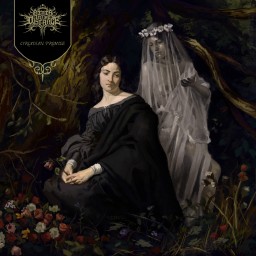
When I heard about the new Fires in the Distance album, I immediately shot it to the top of my most anticipated albums list. The bands sophomore album, Air Not Meant For Us came as a total surprise as it beautifully worked its way around a faulty production for some of the coolest new death doom I've heard this side of the 2020's with its triple counterpoint of vocals, guitar and piano. I was very excited to see how this band would develop their sound further.
Initial impressions weren't the best, but continued listens helped Circadian Promise skyrocket up the 2026 rankings as one of the best albums of the year. My main concern was the piano, which instead of being played plainly, has been given a drowning filter, taking away some of its melodic dominance. Upon repeated listens, I could quickly tell that this stylistic change was for the better, as the main vocal work has become even more diverse than ever before. The new vocals of Brendan Hayter adds a new, more explicit, gothic texture to an already very dark album. Meanwhile the percussion has gotten a massive glow up and the added strings give the album some well deserved drama.
The songwriting has taken some significant steps forward. I remember that Air Not Meant For Us certainly had its epic moments, but Circadian Promise takes that and puts it on overdrive for almost the whole record. I love the song structure of this album, even if it can get a little tiring after a while. Thankfully, Fires in the Distance are fully aware of this which is why songs don't lazily stay in one place for too long. The bass is noticeable and carries the album forward through its different endeavours. The percussion plays a huge role as well and the occasional spurts of blast beats or drum fills give the whole song a feeling of growth. Take a look at the closing track "Agonal Dreaming". Even though I don't like how Fires in the Distance end the track with a return to a slower groove, the first two-thirds of the song shows an amazing display of maturity and restraint and not allowing the climax moment to take over.
All in all, this was a most welcome surprise in a year that has been hurting for good music. Fires in the Distance found a balance of epic doom and gothic metal that is also extremely tuneful and heavy.
Best Songs: Of Radiance and Levitation, Lightless Days of a Songless Bird, By This Time Tomorrow, Once the Silence Takes Your Place
For Fans Of: Swallow the Sun, Dark Tranquility, Insomnium
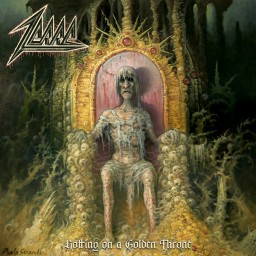
Thrash is not a genre I spend a lot of time with these days. The favour continues to grow thinner with each passing year. But every so often, an album will pop up, whether it be through Metal Academy's featured releases, or a record that just continuously gets rammed down my throat by the online algorithm. And just so we're clear, if that later option happens, you certainly would not be seeing a review for an album, but rather a concerted effort by myself to push it as far away from my vision as possible!
I come from a background where my appreciation of crossover thrash comes from the punk family tree. I absolutely fell in love with the Black Flag's, Husker Du's and Rites of Spring during my exploration of the genre many years ago. So crossover thrash had an appeal to it that was novel, but really had an appeal to me; traditional thrash was always too long with not enough substance. Modern outputs like Power Trip were punchy, relentless, and straight-to-the-point. And while Zerre show promise of that here with Rotting on a Golden Throne, it feels lacking in other aspects. My main criticism towards thrash is how bloated it becomes, and I was worried at first glance as "Pigs will be Pigs" storms out with riff swapping, guitar solos after every stanza, and a hard to follow through line. Ironically, "Mental Vacation", the albums longest song, is far more connected. There were a few times while listening to this where I was surprised just how quickly and smoothly the album was passing by. Songs like "Rotting on a Golden Throne" and "Concrete Hell" were so easily digested that I lost track of how much time had passed; I thought for sure there was supposed to be another four minute guitar solo after!
Alas, it can't all be good. The mixing is very much in the style of the old thrash giants like Exodus and Slayer with tons of reverb, along with high treble and not a lot of bass. The riffs themselves are sporadically solid, but without that thud of a foundational bass line, the album just sits there. This is most egregious during the guitar solos where the lead is not allowed to build and transform into the Kerry King/Jeff Hannenman solo it desperately wants to be. If Zerre could tighten up their mixing, or find a new producer altogether who values those sweet bass tones, while continuing in the same vein as Rotting on a Golden Throne, they very well could be on their way to ascending to the top.
Best Songs: Deception of the Weak, Mental Vacation, Rotting on a Golden Throne, Killing Taste
For Fans Of: Power Trip, Exodus, early Kreator
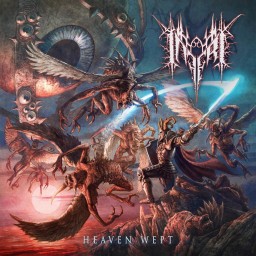
The seventh studio album from long running technical death metal band Inferi certainly sounds like it belongs in the Inferi catalogue of albums. The album is filled to the brim with pummeling death metal, melodic guitar solos, and lots of bass. Most of the time, this would make for a moderately entertaining death metal album and I think that Heaven Wept does indeed sound enjoyable. The symphonic accompaniment does not overwhelm the listener in the same way that it does on the Atavistia album I reviewed just yesterday, and it allows for the strong bass lines to take center stage and really carry this album. The record does have some decent melodic leads, many of which are carried by the guitar, but sometimes a strong chorus is presented. The record reminds me a lot of the kind of melo death you might hear from The Black Dahlia Murder; high praise indeed. However, the vocals keep this album from being any better. Now it might sound ironic to refer to Inferi as imitating Black Dahlia Murder and then criticize the vocals since neither Trevor Strnad or Brian Eschbach have a ton of variety in their vocals either. But they would typically be complimenting great choruses and guitar leads. Heaven Wept, and Inferi as an entity, is primarily tech-death with a splash of melodicism. The lack of vocal diversity leaves parts of the record feeling hollow at worst, and at best, too overwhelming. A couple more moments of reprieve, such as on "Atonement Denied" would have been beneficial.
Best Songs: Master of Nothing, Eternally Lie, Atonement Denied, Godless Sky
For Fans Of: The Black Dahlia Murder, The Faceless, Fallujah
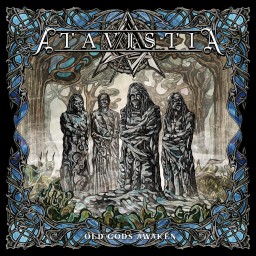
You know, I'm not one to speak ill of this kind of over-the-top, epic fantasy music, especially when it comes to metal. I enjoy listening to Ensiferum, Amon Amarth and the like more than most, but sometimes you have to put your foot down. Symphonic strings can add a sweet new texture to an album, especially when the primary genre of that album is extreme metal (death and black metal), but they do have to be mixed well to work.
Old Gods Awaken by the B.C. based Atavistia is one such example of this. Fundamentally, the album is adequate, but the orchestral arrangements are painfully forced. The strings are so close to the front of the mix that they start to take attention away from the primary metal base. Of course, a change in instrumental texture doesn't make an album good or bad,, but what else does Atavistia do to stand out from their symphonic/folk metal contemporaries?
Well...not much. If you've listened to Wintersun before, then you pretty much know what else you're getting out of this record. Like with Wintersun, Old Gods Awaken is quite bloated with its extended runtimes on individual songs. Songs like "Mystic Tavern" and "Ride the White Storm" have strong grooves with the occasional tight chorus, but they get overshadowed by an extended bridge or instrumental solo. The middle of the record shares some more concise runtime, but with some less than stellar choruses. While the album closer, "Old Gods Awaken" runs on for about six minutes too long.
And that's about it. Atavistia, for all of their good intentions, are unable to develop a sound for themselves. Or, at the very least, produce an album that doesn't sound bloated. This is the bands fourth full length and it sounds like they haven't changed their sound at all. The mix is too overbearing and many of Old Gods Awaken's best moments are hidden behind a wall-of-sound that should never have been there.
Best Songs: To a New World, Goddess of My Dreams, Seeker of Time
For Fans Of: Ensiferum, Wintersun
About a month ago, I reviewed the newest record from Finnish melodic black metal band, Gaerea, called Loss and I spent more than a little bit of time going over how Century Media Records took a promising little progressive black metal project and sucked the life out of it. In that review I also referred to the band Non Est Deus and how they were also signed to Century Media Records. So given how the Gaerea album review went, I was certainly not looking forward to this.
Upon further research, it tuns out that not only is Non Est Deus still technically signed to Noisebringer Records (which acts as more of a subdivision of Century Media), but I completely forgot to mention one other black metal who is tied to this record label: Kanonenfieber. This makes a lot of sense when you consider that Non Est Deus is one of the projects of the German multi-instrumentalist/producer, Noise. This is all to say that I have been enjoying revisiting some of the older records of Kanonenfieber before their transition to Century Media Records and I was hoping that Non Est Deus would do the same.
And the result was fairly enjoyable, if a little repetitive. The opening of this record with "Show Mercy" into "Forgive Me" is a nice little introduction to the whole "Blessings" and "Curses" that the album is highlighting. The first is fairly calm, almost tranquil in structure, and then "Forgive Me" revs up the intensity with blast beats and tremolo guitars. The rhythmic drive on these more aggressive songs is really intoxicating and leaves me excited to hear what will happen next.
On the downside however, this record seems to lose a lot of steam during its second half. A few tracks following "Prayer II" have the uncanny effect of sounding eerily similar to other tracks on the same album. While the albums closer causes me to lose interest in record time as both "The Sacrifice" and "The Indulgence" share not only the same tonal center's but also the same tempos and dynamic shifts. As a result, a record that begins incredibly well, falls off pretty hard at its conclusion.
And this is not helped that much at all by the lyrical content. Like with Kanonenfieber, Non Est Deus is a conceptual project that, while remaining pretty vague, is meant to be an anti-religious project. With Kanonenfieber I can tolerate it since it's carried by themes that are not a common stereotype in this genre. Part of the reason I enjoyed Aara's 2024 album Eiger was because of the uncommonly found concept. Blessings and Curses carries a lot in common with De Mysteriis Dom Sathanas and as a result, loses some of its charm.
That being said, I still do enjoy enough of Blessings and Curses to give it a fair shake. As a Century Media Records project, this is solid enough black metal to give it a tentative recommendation. I am willing to forgive the momentum loss during the second half and very played out concept because I know that Noise knows what they are doing; they are too talented as a composer/songwriter and as a producer. And it's still played so well that it doesn't bother me the same as it might on other projects. It is better than 2023's Legacy so that's a bonus.
Best Songs: Forgive Me, The Forsaken, Transgression, Kora
For Fans Of: Kononenfieber, Winterfylleth, Yoth Iria
Let it be known that dropping into a new bands first full length record with lowered expectations is not always the right call. I was all ready to write this review as a scathing criticism of modern metalcore and basic and generic it all sounds; how it focuses on intensity and face melting breakdowns instead of actually writing good songs. Well that only appears to be half right on Hell Is Just a Halfway House by the djentcore act Iridium. Because, while the album isn't really that innovative by modern metalcore standards, the way in which they perform is splendid. Iridium have a very good understanding of being able to split the difference and appease both sides of this debate. The album is heavy, but not overwhelming, while still managing to make the melodic choruses very enjoyable. Hell Is Just a Halfway House does have enough variety between the different tracks as to not become too boring, which is also helped by the fact that this album is just longer than half-an-hour. I would say on an individual basis, the songs are bloated by these extended atmospheric interludes that run pretty consistent throughout the album. They don't feel distracting per se, in fact I quite enjoy them as a slight moment of reprieve, but they definitely could have been trimmed down and not be quite as frequent.
Besides that however, I can't really be super critical towards this album. Iridium have shown through their debut that heaviness and melody can coexist together in the world of metalcore. It isn't going to blow you away with how drastically different it is from the octanecore of today, but it might just change your mind on the direction that this seemingly motionless genre can go.
Best Songs: God Eater, Soul//Split, Is It Too Late?, Could9
For Fans Of: Spiritbox, Invent Animate
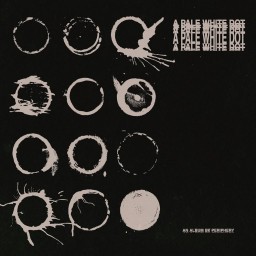
A Pale White Dot appears to represent either a turning point in the career of the band, or a side project. I echo a lot of the early sentiment surrounding this album when I hope that this is not a sign of things to come for Periphery in the future.
For starters, there isn't that much about A Pale White Dot that really stands out. None of the tracks within have that progressive nature to them; uncommon time signatures, whiplash transitions or extended runtimes. I found myself constantly falling out of sync with this album as it worked its way into the musical background as I work on other things. Songs like "Unlocking" and "Carry On" have decent fundamentals and technically sound great, but they are severely lacking in a truly jaw dropping moment that previous Periphery albums have had in spades.
The album really only has two standout moments. The first is the Will Ramos feature on "Subhuman" with its pedal-to-the-metal, unfiltered aggression. The dual vocals are a nice touch to change up the monotony, while the instrumentals have that unnerving texture, albeit far more subtle than what is to be expected by this band. The other moment is "Blackwall", which drops the guitars altogether in favour of new wave synthesizers. As the song builds up over its duration, one may become anxious in anticipation of the return of the drop tuned guitars and a vicious breakdown... only to find out that there will not be one here. The album does return to form immediately following on "Malevolent", but for these two back-to-back tracks, Periphery really made the best use of time.
The issue is that these two tracks are sandwiched in between ten songs of, relatively speaking, mediocrity. Periphery are still a very talented group, even when they are performing less technical music such as on this album, but the pedigree is far too high. This lack of stylistic variety or technical prowess just leaves A Pale White Dot seemingly empty.
Best Songs: Obsession, Mr. God, Subhuman, Everyone Dies Alone
For Fans Of: ERRA, Invent Animate, TesseracT
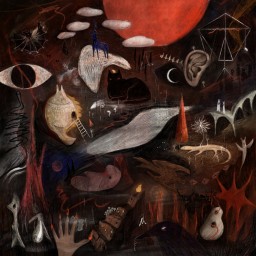
The problem with trying to sound epic in a progressive framework is that it just makes you look selfish. Plini's music in the past has had this quiet epicness surrounding albums like Homemade Cities and Impulse Voices. The issue that I have with An Unnamable Desire is that the "epicness" has now been recognized and Plini is going to do everything they can to replicate it, instead of letting it flow naturally. The heavier moments on "Manala" and the closer "The Time Will Pass Anyway" leaves this listener in an underwhelmed state. I can't deny that they transition on the closing track from heavy, djent influenced openings, to the soaring guitar leads and wide open foundation sounds really neat, but it also feels so scripted.
I know that An Unnamable Desire is scripted, but it isn't supposed to "feel" like it. Some of my favourite records of all time have a sense of improvisation to them and you can even hear that on earlier Plini albums. It does happen here sometimes, but their regularity is limited. Plini's guitar soloing has found a very comfortable place to rest, and the grandiose style suffers because of it. The solo guitar loses character, passion and purpose when the noodling becomes formulaic.
It's not a bad album per se; I actually think it is quite good. But in an attempt to chase the unattainable goal, Plini have released their most uninspired album to date. Adding a string ensemble for more than half of the record and overbloating the soundscape and the epicness leaves the records more genuine moments feeling more hollow.
Best Songs: Canyon, Now & Then, Vespertine
For Fans Of: Intervals, Animals as Leaders, Haken

If eating air was a metalcore album, it would probably sound like The New Flesh by Sylosis. It's not even that bad of an album from a technical perspective, but good lord is it boring! The vocals sound painfully generic and lacking in emotional dynamic, the guitar work can be interesting from time-to-time, but it most noticeable when it's playing one of those Machine Head type thrash grooves. The percussion is mostly tasteful, but can be a little bit overbearing at times during the metalcore style breakdowns. I don't even like Sylosis and I can tell that the songwriting has taken a massive step down over the years. Albums like Monolith with their dynamic swells and deep engrained melodies are a thing of the past as the Architects style melodic metalcore of the 2020s has taken full effect.
Meet the new flesh, same as the old flesh.
Best Songs: Beneath the Surface, Lacerations
For Fans Of: Bleed From Within, Machine Head, Architects
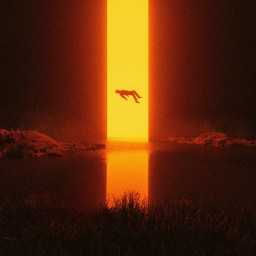
The transition for Gaerea from Season of Mist to Century Media Records has become a tumultuous one. The melodic black metal band who had previously released two high quality albums (Mirage and Coma) have done away with a significant portion of what made those albums so special and replaced them with mostly watered down melodic metalcore trends. Now Century Media Records does have a strong class of artists who release music under their label, but not many of them can be truly categorized as black metal. But it does seem like that has been changing in the last couple of years. In fact, the band who Gaerea beat out for this review spot, Blessings and Curses by Non Est Deus, are also signed to Century Media Records! But calling Gaerea exclusively black metal is a disservice to the band. Their last two albums had a lot of progressive and post-metal elements infused, which made them stand out, and that's before you start with the obvious melodic death metal hybrid.
Now on Loss, Gaerea have decided to turn down the black metal from before and make it more accessible. The death metal influence that was previous before has taken center stage and could even be debated that their sound has moved closer to that of the heavier melodic metalcore bands like Bleed From Within. And with that comes clean vocals... and they don't sound very good at all. Clean singing has its place in metal music, even extreme metal music, but more often than not, these modern bands try to replicate the Chester Bennington pitched singing with a rasp and it sounds terrible. Chester could do it well for two reasons: the first was these singing moments were usually the apex of the song dynamically. The second was that most of the time, he sung in a hushed, clean timbre without rasp and they would be more impactful. Part of the reason why "Stardust" works is because the vocals enter over a hushed, Sleep Token-esque electronic backdrop, then after a while, the band enters and crushes the listener with blast beats and tremolo picking guitars and powerful vocals. There is strong variety here and the quasi scream/sing chorus becomes more impactful.
Unfortunately this is not the case for the rest of the album. Once the listener has an idea as to what Loss is going to sound like after the first two tracks, the listener can turn their brain off and let the atmosphere take them away. They might be surprised by a clean guitar break during a songs interlude, but they can also be assured that the volume and monotone vocals will return momentarily. And this happens every time! From "Cyclone" to " Nomad" and "Phoenix", you would be hard-pressed to name one distinct feature between the three. I think the most disappointing aspect of Loss is that, structurally, it sounds solid. But the execution is so severely lacking and I don't know whether to blame the band themselves, or Century Media, which have lost a lot of favour with me in the past three years (see my Orbit Culture Death Above Life review).
Best Songs: Submerged, Stardust
For Fans Of: Bleed From Within, Harakiri for the Sky, Groza
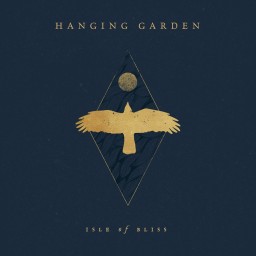
This is the best Hanging Garden have sounded in a very long time. After 2017's I Am Become, they seemed to step away from their sombre, gothic texture in favour of a more atmospheric/post-metal one. And while I think that change was a nice turn of events, the songwriting became less refined and their more recent albums have become lackluster as a result. This time, Hanging Garden are heavier and have returned to that older songwriting style and it turns out really well. The opener, "To Outlive the Nine Ravens" with its blast beat introduction gives the listener somewhat of an idea what they are in for, in the same way that Aeonian Sorrow introduced themselves on their last album From the Shadows. As the album progresses, you really get a sense that Hanging Garden have learned how to incorporate dual vocals as they compliment each other beautifully. The backgrounds with the guitar make a third melody that weaves in-and-out of the two vocalists for even more dramatic effect. The bass lines are strong and tasteful and even the implement of synthesized instruments is very well done; unlike many modern metalcore bands, the synth an embellishment tool to give the album a slightly different timbre, such as keyboard countermelody on "Arise, Black Sun".
Best Songs: To Outlive the Nine Ravens, Eternal Tress of Turquoise, To the Gates of Hel, Arise, Black Sun
For Fans Of: Draconian, My Dying Bride, Ethereal Darkness
Best Songs: Masochist Machine, Anywhere But Here, Bleed Enough, Die Slow
For Fans Of: The Callous Daoboys, Static Dress
An album of two halves on a debut is not going to be winning Mirrorcell any "hot new bands of 2026" awards. The first half of the album starts off slow and meditative. "Glitter" gives warm expectations, despite the down tuned guitars and those feelings remain intact even through the promotional single "Pleasure". Then "Candy" hits and the album takes a major pivot, channeling metalcore/djent riffs, harsh vocals and industrial touches of percussion and wonky guitar techniques. It certainly took me by surprise, even though I should have seen it coming.
Long Nights in Lovescape's bait-and-switch was not a pleasant one considering how muffled the mixing is. I guess that is to be expected from guitars that are as downtuned as this, but the low end is so booming and massive that any attempts for a treble line to be given substance are effectively neutered. This certainly is not my preferred style of metal production.
Best Songs: Glitter, Candy, Lovebomb
For Fans Of: Greyhaven, Issues, Volumes
Okay, so I really tried to like the new Archspire album, even though it should be no surprise that it sits well outside my comfort zone of death metal. Dave Otero, the albums main producer, is an absolute beast here and has found his niche; producing several of the most recent releases by Cattle Decapitation and Allegaeon. Like those bands, this album is super clean and precise. Every single note in the guitars, bass and percussion is delivered with pin point accuracy and the bass carries a lot of the records intensity forward.
Where the album falters is in its lyrical presentation. I'm just gonna come out and say it: I think that early Tom Arraya is ass, so why the hell would anyone want to try and replicate him? I can give Slayer a little bit of credit here, since Tom balanced it out with a few slower passages as well as dueling guitar solos. Archspire have taken the word vomit from Reign in Blood and put it on steroids! Shawn's vocals just sound like gargled mush. In a genre where the intention of the vocals IS to sound like gargled mush, why waste your energy? If it was meant to be a novelty/comedy album then maybe, but this is meant to be taken dead seriously, and the vocals are very technical and flowery. It seems like a poorly thought out idea to me.
Best Songs: Red Goliath, Carrion Ladder, Limb of Leviticus
For Fans Of: Cattle Decapitation, Shadow of Intent, Rings of Saturn
Moody, atmospheric shoegaze that should satisfy on those grunge, hazy filled days during the summer months. It's well performed, has a strong foundation and low end, which really emphasizes the style on display. Vocals have a carefree presentation that is reminiscent of Hum and their 2020 revival album Inlet. Besides that though, True Blue is lacking heavily in substance; a common issue that persists throughout the shoegaze genre of music, but this one is extra dazed. This sounds like Deftones on autopilot. However Deftones have proven that they can still make quality music when they are on autopilot into the 2020s so to be a step below that has to be concerning.
Best Songs: Levitate, Summer Skin, True Blue
For Fans Of: Deftones, Teenage Wrist, Astronoid
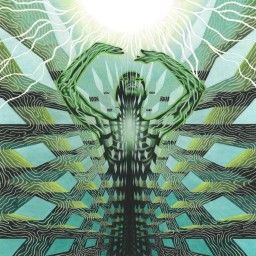
Well colour me surprised that I ended up with two technical death metal albums in the same week, but life can be funny that way sometimes.
Growth are a fresh new Australian band in the tech-death variety and, according to the early reviews of Under the Under, I got the impression that it was going to be in the style of early Ulcerate such as Everything is Fire. Now if you know me, that should come as a huge boost, since Ulcerate were the band that singlehandedly broke my shell when it came to technical/dissonant death metal. So I threw my headphones on, hopped onto Bandcamp, pressed play and what I was hit with was a fruitful display of technical/progressive metal, but sounding like Ulcerate? I don't know about that one.
When I think of that band, it comes with the expectation that the word "dissonant" can be taken very lightly. The songs are extremely melodic, make use of both its loud and soft spaces, and always backed by an atmospheric foundation. By comparison, Under the Under is much closer to the hardcore side of the genre that became popularized by bands like Cattle Decapitation and, more recently, Replicant. As a result, this album is lacking a fair bit in that discomfort that should be expected when the phrase "dissonant death metal" is used. As such, many of my returning criticisms of metalcore in general have made a return here: a lot of decent ideas that are kneecapped by the simple fact that, "hey we need a slow breakdown passage here!" and the use of clean singing as a point of melody feels forced.
But it isn't all bad for the Australian combo. Growth have some progressive chops that have been taken from the playbook of An Abstract Illusion and even some clean guitar intros/interludes that sound inspired by the same sections on Ulcerate's last album. Compositions have plenty of variety between them as they power through the gauntlet of emotions. The production is all done in house and executed remarkably well. so as to sound indebted to their inspirators, but not a full blown copycat.
I quite enjoyed Under the Under but I would be hard-pressed to call it great. It has plenty of great moments, but many of them feel muted by the metalcore influence and it leaves the album feeling hollow at times. Now is it disingenuous of me to critique this record as trying to be like Ulcerate when they are clearly NOT trying to play like Ulcerate? Absolutely! So if you're looking for some modestly accessible technical death metal, this record should aim to please. But those who are more familiar with the genre might be left underwhelmed.
Best Songs: Remember Me as Fire, Under the Under, Pain Is Never Far Away
For Fans Of: Ulcerate(?), Dillinger Escape Plan, Converge
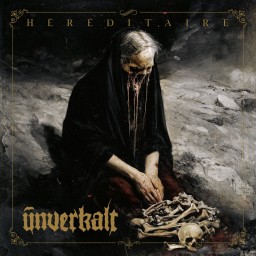
Best Songs: Oath Ov Prometheus, Penumbrian Lament, Death Is Forever
For Fans Of: Sólstafir, Dreadnought, Heretoir
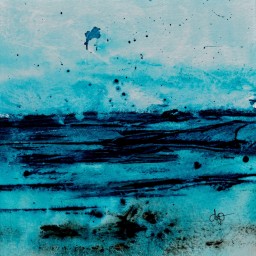
For an album typically categorized as blackgaze (including on the bands own Bandcamp page), I was shocked by how little reverb Subglacial was given in post-production. It gives the album a unique sense of raw and grounded emotion brought forth in the music and lyricism. However, the record's unique tonal quality might also be its biggest flaw, since the low end of the mix is painfully lacking throughout. Credit where it is due; there IS a bass presence that can be felt at times during the slower moving sections and the acoustic breaks, but when the guitars take over and start their tremolo picking, the bass is pitiful. And that turns out to be a huge shame because somewhere beneath the surface is a pretty solid album from Ashbringer. The stories told through the music are memorable, while also feeling engaging and immense. The transitions from soft to aggression are executed at the right time, the album isn't scared to flex its muscle in the long song department, without going overboard. But all of that feels like a mute point when the grounded bass lines are so flimsy and non-existent. It makes the whole concept of being grounded, back-to-reality, feel like a fools errand. In an attempt to swim, Ashbringer got their feet frozen underwater.
Best Songs: Subglacial, Send Him to the Lake
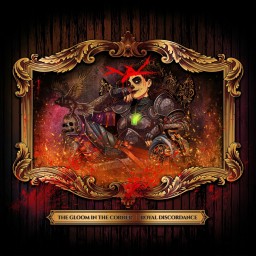
The newest album from Ice Nine Ki... wait... The Gloom in the Corner is a peculiar record and exercise in structure. Right out of the gate, it takes heavy influence from Ice Nine Kills and The Silver Scream records. It's littered with symphonic strings, bombastic and erratic song forms and sequencing and a heightened sense of grandiose. Unlike Ice Nine Kills, The Gloom in the Corner are making this to be it's own standalone movie. Royal Discordance is a concept album, but it's hard to get into the concept from the outset. It's an album that is explosive and at points, dank, so the sardonic and destructive nature of the lyrics and themes feel out of touch. The way the album progresses from "The Problem with Apocalyptic Tyranny" and ends with "Love II: A Walk Amongst the Poppy Fields" almost feels forced.
Part of that inevitably comes from the music as well. Like I said on the outset, because of how heavily influenced Royal Discordance is to Ice Nine Kills, it is a heavy album. Lots of heavy chugging guitars, fat percussion mixing and a healthy dose of aggression in the vocals. I personally think that the vocals are the albums glowing highlight because for every "Nope (Hollow Point Elysium)" there is an equally strong ballad like "Shadow Rhapsody II" and the balancing of the vocal styles is very well done. Besides those vocals, there isn't that much innovative or interesting through the instrumentals. You might occasionally hear a blast beat coming from the percussion which sounds cool and the hardcore riffs are fun, but without a truly special hook locking them into place, it just feels hollow.
Despite the negativity, I didn't hate this album. Just know that it is not my cup of tea when it comes to the type of metalcore that I enjoy. If you like Ice Nine Kills but wanted them to make a concept album for a movie instead of tributes to classic slasher films, you might enjoy Royal Discordance.
Best Songs: You Didn't Like Me Then (You Won't Like Me Now), Short Range Teleportation (A Guide to Guerrilla Warfare), That's Life (Carry Me Home), Love II: A Walk Amongst the Poppy Fields

This was my first time hearing about this Djentcore band from Australia and I enjoyed my time with I Guess It Was Nowhere. My initial impressions were that Above, Below would be following in the footsteps of bands like ERRA with their down tuned guitars and chunky hardcore breakdowns. And while we get a fair bit of that here, Above, Below also throw in some progressive/atmospheric sections as well. Those sections serve as a nice change of pace for the record, so that when the next chunky hardcore breakdown hits, it connects with authority.
I use the word "atmospheric" very strongly here because I believe this album could have used more of that. I kept thinking back to early Astronoid records while entrenched in a dreamy sequence and felt myself getting kicked out of it unceremoniously by the vocals. I like Jacob Wilkes clean singing, but his harsh vocals are too brash and unkept for the clean stylings of djent. I'm quite sure that this was part of the point; highlighting more of the hardcore influence through the vocals so maybe its just a difference of direction, but that doesn't excuse the vocal mixing, which is pushed so far back in the sequence. And Jacob did all of the mixing and mastering on I Guess It Was Nowhere too! Guess he really loves pumping his band up and not himself.
Overall it was pretty good. The time flew by and I enjoyed my time with I Guess It Was Nowhere. The band executes a decent variety of styles and are really good at giving the listener space before the next hardcore assault. Hooks are hit-and-miss; quite a few of them felt too much like alphabet soup instead of clear and concise phrases with catchy melodies, but the album is well played/performed and the mixing (minus the vocals) is superb.
Best Songs: Heat, Starbreather, Collapsing Eden, I Have Lost My Appetite for Spring
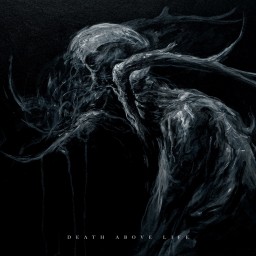
I never would have predicted that Orbit Culture, a band that I did not actually care for, could disappoint me after 2023's Descent, but boy did they ever with their newest album, Death Above Life.
My biggest critique of the bands previous record was that it sounded like hot garbage. The production choices were so atrocious that I had to step away from the album multiple times just to finish it. Which was a shame because from a compositional level, Descent wasn't the worst. Sure, it has issues with its length, but it could be overlooked for good songwriting. But in 2025, Orbit Culture took all of the worst elements of both the production and the songwriting and amplified them to almost unlistenable heights. The drums could have been recorded in a separate room, in another country, on another planet, and they would still be the loudest thing in the mix! Vocals and guitar leads have been unceremoniously muted in favour of gargantuan fundamentals; whether it be the chugging guitar grooves or the unbearable bass drum. The melody has been stripped away from Orbit Culture.
And you want to know what makes it worse? Look at the liner notes of Death Above Life and you'll see exactly why this album was destined for failure. Record label? Century Media; the same record label that has published the last two Lorna Shore albums. Production? Buster Odeholm; primary songwriter for Humanity's Last Breath. Lorna Shore's biggest claim since the start of the 2020s has been turning every instrument in the room up to eleven and have everyone competing for the spotlight at the same time. Humanity's Last Breath has been releasing deathcore/djent whose sole objective is to be unlistenable. Orbit Culture saw this and thought: why don't we take both of these terrible ideas and combine them together?
Best Songs: Hydra, Death Above Life

2025 was an absolutely brutal year for metalcore. Both in terms of the new music that was released as well as many of the older records that I got around to. This has been a consistent decline in quality for years and further exacerbated by metalcore being the dominant style of metal in the mainstream. So despite my best efforts to avoid metalcore in my spare time, I'm still beat over the head with disposable albums from Bury Tomorrow, Architects, Slaughter to Prevail, among others. But earlier in this year I heard Hit It! for the first time and was taken by surprise by how good it was! This is like if the electronicore of Electric Callboy was somehow infused with the more accessible stylings of Thornhill. And even that doesn't fully encompass every style/influence Vianova have on Hit It! Now to its credit, the album does have a solid flow. The intense djentcore elements are kept rather sparse and are used for artistic effect. The record has a smooth texture even through the style changes, such as the shoegaze "Future Nostalgia" that transforms into a quasi-Deafheaven groove. I think the biggest issue is in the production, and more specifically, how the songwriting hurts the low end of the mix. Many songs on Hit It! take inspiration from djent in its guitar riffing, but songs like "Melanchronic" have this off-putting groove where the bass just feels like its been pushed into the track unprovoked, which is a shame because the opening synth line hooked me in right away.
Despite this, I think that the pacing of Hit It! is excellent and does not run just status quo in the metalcore sphere. And that might turn a few people off of it entirely. But if you want a metalcore record where the songwriting is something worth a damn, then smash that play button and give it a try!
Best Songs: Future Nostalgia, Oh No (Believer), Whatever Alright, Obsolete
A step down from Shrine from a few years ago. The individual songs have become less focused and do not have any pazazz when it comes to ear catching melodies. The album undoubtedly feels more like a "vibes" album where the strong sound of a melodic metalcore foundation with a death metal tinge is going to be the aspect that listeners will remember the most. Zenith has ambitions of being a more complete project from Shrine and that comes through in some really intense production which is highlighted by a far improved vocal performance. Scott Kennedy's vocals have always been a bit of a presence when the harsh death metal screaming comes out, but his singing was quite lackluster on the previous record. This time around, the clean vocals are greatly improved; the rasp in the timbre fits well with the instrumental style and does not create this weird hybrid effect where it feels like you're listening to two songs at once. I wish that I could have enjoyed Zenith as much as Shrine, but the heightened expectations of how impressed I was by Shrine left me feeling a little bit empty here. The texture of the album can only work so much when your audience already knows your playbook. At some point, Bleed From Within are going to have to broaden their scope.
Best Songs: In Place of your Halo, Zenith, Immortal Desire, Dying Sun
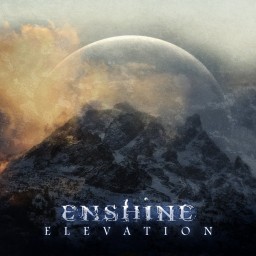
The newest record from Swedish death doom duo Enshine is a pretty decent, if a little slow. I was worried about this album at first as the first two tracks didn't do anything for me. "Heartbliss" in particular had that really out of place transition between two different songs halfway through, before becoming a guitar solo for the remaining two/three minutes. "Distant Glow" was a bit of an eye opener. For one, it's entirely instrumental and secondly, it's the best track on the record. I was going to highlight this review with some snarky remark of "if you're best track on the album is the instrumental interlude, we're gonna have a serious problem" but that's not actually what happened. You see normally with these death/doom albums they start strong and lose momentum in the second half. As the album becomes more moody in its second half, it becomes considerably better. The slower tempos of "The Purity of Emptiness" and "Reignite" and the ample space given out by the vocals cause these songs to feel more lived in and do not feel forced like how "Heartbliss" or "Where the Sunrise is Felt" do.
This is a decent enough of an album if you can overcome the slog it takes to get going.
Best Songs: Distant Glow, The Purity of Emptiness, Reignite
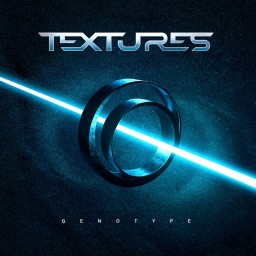
Who had a Textures reunion and album on their 2026 bingo card?
I've enjoyed Textures in the past. Their brand of progressive djent metal was quite unique at the time where the rhythmic breakdowns were an integral part of the songs instead of being some kind of obtuse metalcore breakdown. Dualism is still annual listening material to this day and a go to recommendation when people ask me what to start with when listening to quality djent music (with it being so few-and-far between quality releases anymore). But Textures were a band who probably never got the respect they deserved when it came to songwriting and a decade long wait between Genotype and Phenotype left a lot of people what could possibly happen here? Judging by the album title, you might expect this to be some kind of sequel to the previous album, but one playthrough and you can tell that this is not Textures status quo.
It took me a while to figure out why I didn't like Genotype at first. My first instinct was that the songwriting had taken a tremendous downturn over the last ten years. Instrumentals that felt like they were full of character have been replaced with stock djent grooves and heavy vocal focus and layering. The vocals have become fry and exhaustive instead of the mellow and almost harmonic texture of previous releases. After a while, I started making comparisons to the band Northlane, specifically the 2022 record Obsidian. Northlane changed their sound considerably from a traditional metalcore with djent to something that was far more atmospheric with Obsidian. After that comparison was made, any attempts by Genotype to impress me were immediately squashed.
Northlane's Obsidian has influence from Textures if you know where to look. The songs were more pop oriented than Dualism, but they could get away with it thanks to heavier roots and strong vocal performances from Marcus Bridge. Textures tried mutating Obsidian back into a Textures album and the result is lacking; the fundamentals are very pedestrian, the vocals of Daniël de Jongh are uninspired; as mentioned before, lots of shrill high singing and harsh vocals don't fit Textures at all, and the melodies between the guitar and vocals are bland.
In a way, I see Genotype as the antithesis to Tool's Fear Inoculum (I sure hope that I don't have to reference that album too many more times this year!) Textures are a band that had a good thing going. Then they disbanded, and then they came back trying to be something that they are not. The end result is disappointing. This band, who have been out of action for nearly a decade, try to keep up with the modern day progressive/djent trends and ironically, lost the feel of what Textures was all about.
Best Songs: At the Edge of Winter, Vanishing Twin, A Seat for the Like-Minded