
Rexorcist's Reviews



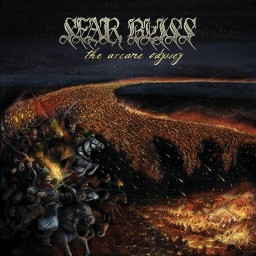
God was finding a melo-black release with some real creativity an annoying three days. Everything I tried on my own from Windir re-evaluations to key players of the development to modern giants were basically writing the same song over and over again. I had to rely on two different Reddit metal communities and Metal Academy to pass around recs. After starting many and deciding they weren't the creative geniuses I was looking for, I finally checked out Ben's recommendation, The Arcade Odyssey by Sear Bliss. This was the one.
Now the album started out with a clever rewriting of the standard tropes you often find in the atmospheric brand, but it wasn't long before these impressive melodies found their way into other territories. The first two songs were good, but I was worried that the rest of the album would follow too closely to the examples of the first too songs. This worry was largely counteracted by a moody and somewhat slow venture into blackened doom with Lost and Not Found, and almost completely eradicated when they decided to go hard, heavy, fast and furious immediately afterward with Thorns of Deception, the shortest song at exactly four minutes. There were psychedelic moments, symphonic moments, the experimental package I was looking for, but never once did the band steer so fast as the destroy their sound or endanger the flow or the consistency. I can't see myself picking favorites out of this bunch, even. But the best thing about the album is this: when the second to last track, Somewhere, fades out 7 minutes in and stays silent for two minutes, we get this surprisingly folksy black metal song which basically screams at you: we're not done yet! We're giving you the ending twist you didn't see coming!
This is my current new standard for melodic black metal albums to beat. This is my first Sear Bliss album, and I'm perfectly satisfied. They restrained themselves while allowing other influences the have a strong enough say to differentiate everything, even if they never fully broke away from the melo-black that they have been working on since their debut in the 90's. But who knows? Maybe I'll like one of their other albums even more. And if not, I still found what I was looking for.
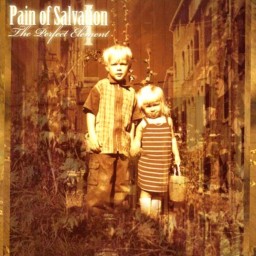
After turning this album on, immediately after concluding One Hour by the Concrete Lake, I certainly wasn't expecting the verses to be orchestrated in NU METAL. But that didn't tell me this was gonna end up a nu metal album, just that this album was gonna end up wild and varied just like the previous efforts. Honestly, there's really no way to tell with these guys. But it's pretty obvious from the slow melodic structures and the nu metal influence that they were trying to appeal to the modern alternative crowd without being an alternative band. You can easily tell from the way our singer occasionally shouts in a very similar manner to Wayne Static. Despite this, post-metal also reigns pretty strong in the background, having a larger say than any other kind of influence in the album. This creates a strong sense of ballad-based serenity throughout a good chunk of it. These are good tracks with a strong sense of progession and some fine melodies, but in comparison to the wide range they went with on the debut and managed to balance out beautifully on the second, this seems a bit less inventive. For example, the first half of Her Voices is made up of this until it takes an immediate shift into speedy Arabic influence, as if they suddenly became The Tea Party. But there are songs that are practically entirely made up of the post-metal influence, like the titular closer. And unfortunately, the songs, while quite enjoyable, are a bit too similar too each other in moods, and the melodies are often a bit light. So in short, this was a GOOD album for me, but not brilliant.
82
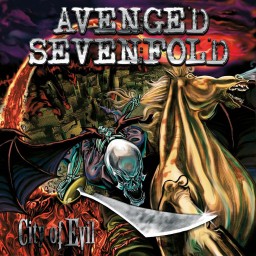
I'm glad I'm finally on this Avenged Sevenfold kick. I've put them off for years out of lack of interest for metalcore and alternative metal. I was extremely eager to see where the band's mutation would take them, putting their crappy debut on exactly the same level (and directly above on my list of all albums I've heard ranked from best to worst) as The Unspoken King by Cryptopsy, and having been fairly satisfied with the increase in melodic and emotional focus on the second. But now comes the monster of metal: City of Evil, one of the most controversially diverse albums in both genre-bending and online ratings.
The album kicks off with their iconic song, Beast and the Harlot. I heard this song a couple times years ago out of curiosity, but I wasn't inspired to go into the whole album yet despite liking it. But I had VERY little recollection of it, so the Judas Priest shift into thrashy power metal territory took me a little by surprise. One guy on RYM said it sounds like something you'd hear from the Sonic 2 soundtrack. Now I've played enough Sonic games to know what that means (not Sonic 2, though), but this is NOT Crush 40 here. I'd rather sing along with "Her plagues will come all at once as her mourners watch her burn" than "I can feel your every rage, step aside I'll turn the page." The difference here is THIS SONG IS NOT THROWN TOGETHER. Although, the shift between thrashy metal and Helloween melodies feels a little out of place sometimes, despite being a lot of fun.
That was just for the first song. Next is Burn It Down, which is more F-Zero-rooted than Sonic-rooted, and the thrash factor is pretty high. You can tell these guys are Metallica fans, but it feels more like influence than straight out copying. The melodic factor works beautifully with the singer's melodic vocals despite the high thrash factor. It looks like they finally found the balance between melody and energy that they struggled with on the debut and improved on with Waking the Fallen.
There's a metalcore drum kick that starts Blinded in Chains. Like a few songs from WtF (oh), it combines elements of melodic metalcore with power metal, but this was easily the best metalcore effort I had heard. There's obvious vocal overlapping in the production, but the experience it creates is purely badass and never lets go of the melodic touches. In fact, this song boasts some of their best melodies. The song also has an out-of-whack and creepy fade-out segment which lasts about a minute and a half, but does a great job with the dramatic flair without ever overdoing it. I guess this is another favorite AVS song of mine. But no matter how hard I tried, I didn't get the Samson reference I was expected because of that obvious title. Huh.
"He who makes a beast out of himself..."Here it comes, their potential magnum opus. Melodically their best song so far, does an excellent job shifting from energetic metal to slow ballady alt-rock like it's nothing, and does an excellent job bringing standard hardcore punk into the alt-metal world. On top of that, it's got an incredibly catchy guitar riff. Even if it's not a very extreme one, it's an empowering one. I've gotten aching arms and fingers doing air guitar to this. Probably the best thing that ever came out of Fear and Loathing in Las Vegas, and the movie was already good.
Trashed and Scattered blasted me into the "powercore" of the last album, but it wasn't so jarring as the shift between ballads and almost-deathcore like on WtF. It felt so natural because the previous songs set a standard of diversity and aura that feels difficult to break. Once again we get some extremely catchy rhythms. Or maybe it's just me because I'm a power metal sucker, and I've been waiting for a band to really pull of the combination of metalcore and power metal. This is what I expect.
Next, Seize the Day... OK, maybe I should've expected this, but a piano-rooted alt-rock ballad threw me off. It didn't fuck with the vibe or anything, but it was a really pleasant surprise. There's an easy comparison many have made to GNR, which may detract from the originality of the song itself, but at least it's a totally different singer. Anyway, it's pretty cute and it's a welcome addition. I think the vocal melodies outshine the instrumentation, though.
Sidewinder is next. Here we have another energetic ballad that steers into some fairly progressive melodic territory. It hits all the right notes for a proper alchemical reaction, balancing the rhythms, moods and hard rock / heavy metal vibes. The song goes on with this surprisingly soothing energy for two-thirds of the song before kicking into a Latin rock solo, never breaking the vibes. That's pretty smart of them. Not really overlong for seven minutes.
There's a welcome return to racecar metalcore and thrash metal with The Wicked End, featuring a wonkier lead riff with a little bit of djent attached. But the song slowly mutates overtime, playing with varying levels of energy before somehow naturally working its way into a slow, symphonic chorus during the middle section and helping to overlap the third act until it kicks back into the thrash. Is this the band's Stairway to Heaven? Or is it just lacking focus? No. No way it's lacking focus. It felt natural, and that's what makes it work. The entire first album was loaded with metalcore tropes that didn't work together, so I'm going to approve this song and anyone can fight me on that if they want. I'm a bit surprised this isn't the closer. Maybe the album would be fine if it ended here, but I was gonna give the other three tracks a go and finish the album anyway.
The perfect way to start a song after that ambitious monster is with a slow pairing of acoustic guitar and violins recreating the wild west. This is the beginning of Strength of the World. Alright, after everything I've heard, I'll give them a spaghetti western beginning. What does anyone have to lose? It's not fucking with the flow. After the minute-and-twenty-second intro, we get back into the electric guitars and build up into a thrash riff and goes into a fairly heavy and meaningful song that doesn't try very hard to go into more drama and relies on high-pitched guitars and the singer's voice to do all the work. Personally, I think for nine minutes this should've had more focus, but it's not bad. Besides, the song does mix it up again by bringing back the acoustic guitars and going into western ballad territory, and eventually into energetic riffs again and finally a cinematic violin outro. It's another ambitious track, but it doesn't really have the same oomph or balance as The Wicked End.
The second-to-last track is Betrayed, and I feel like this one's a little melodically challenged. The riffs and verses feel a little wonky and don't flow very well. It's obvious they were trying a little too hard with this song, and that it was basically filler for a seventy-minute album. Bad move, really.
This monolith ends with M.I.A. It begins how I expect, with a softer intro before forcing itself back into energetic territory. Thankfully, the band chose the right genre to go back to: metalcore, their roots. But this time, the melodies work and the unpredictability is balanced. I mean, the melodies aren't amazing, but they drive this eight minute song from beginning to end and never loses its grip.
Alright, I'm extremely happy to say that I've given their iconic third album a spin. And now to goad half the metal community into pointing their guns at me: I ate the majority of this album up. It may be overly ambitious, but it's good to see they were trying a bunch of new things, despite the fact that the overambition leads the album to be frontloaded, especially due to the shorter lengths in the first half. They seem to have largely forsaken metalcore, but they kept the personality traits and made something pretty fun. This album might not always have the best songs, but it fits all of my standards for a good album. The biggest reason I liked this album is that it handles genres and melodies exactly how I would if I were in a metal band (although I'd be heavier, and less reliant on epics). Overall, great album by a band finding their ground, even if they have some toning down to do.
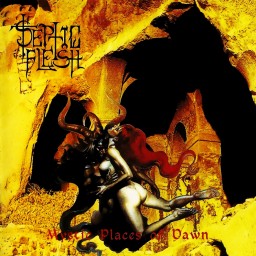
Septicflesh has become my new favorite death metal band. They understand proper application of symphonic and neoclassical theatrics, and it all started with their debut, which was built for expressing. This is an album that switches from brutal death to gothic to death doom to symphonic black like it's absolutely nothing, and this kind of behavior is a major risk in the metal community as it can lead many to believe there's no focus. So does this behavior pan out?
The opening title track has heavier guitars rather than drums, which feels appropriate considering the song's sense of despair. It also showcase extremely sludgy vocals which remind you that you're listening to a genre called "death metal." Out next song is Pale Beauty of the Past, which switches between melodic gothic synth-oriented sadness and raw extremities with occasional black touches. It's a more "epic" track with a very different guitar style and a healthy progressive outlook on the constant changes that death metal songs go through. This one song gives you every area of Septicflesh's love of variety. It's almost like a Meat Loaf song. Track 3, Return to Carthage doesn't hesitate with brutality, going close to slam and grind levels while boasting black metal tremelos that may be backed up by a gothic chorus. There are even power solos that sound fresh out of an F-Zero soundtrack. Crescent Moon is a much slower ballad, going into death doom territory with the kind of post-metal emotion you'd expect from Solstafir. There's a simplistic side here that relies on the listener to be drowned in the reverb and melody in order for any theatrics to appear in the mind. This song might be overlong, but it's a fantastic experience.
Chasing the Chimera starts out with a slower approach as well, but is more reliant on the deeper and more evil aesthetics of death metal. There's also more room for melody, and this melody feels adventurous and intriguing, like something thrilling is about to happen to you in the real world. Because of the stylistic and tonal choices, it feels like a spiritual sequel and even epilogue to the previous epic track. The Underwater Garden continues this as well, leading me to hope for speed and aggression very soon. It carries much stronger gothic elements this time around, using gothic guitars and heavy synths the like of which may stem from Emperor's sophomore album, Anthems to the Welkin at Dusk. Thankfully, nearly two minutes in, there's a ferocious black metal section, leading me to believe the point of this seven-minute song is to be a magical journey into classical metal's various applications. In fact, the middle section is just mocking you when it switches from death metal speed to neoclassical pianos and then combines the bass guitars with gothic melody.
Behind the mask is a three-minute symphonic black album which feels like something right out of Emperor's debut, if not for Spiros Antoniou's impressively guttural voice. I definitely approve of this, having chosen Emperor as my favorite black metal band. The fact that these guys maintained the Emperor approach while being themselves is impressive, especially since they effortlessly go into a death metal jam for most of the third act without losing the grip, before going back into the symphonic black metal but heavier than before. Next comes a slow and heavy intro into Morpheus, which brings us some Therion violins to give us an ancient feel, a staple of several later albums. This gothic / symphonic death song is all about that vibe, and doesn't waste any of the magic from previous gothic touches shown on this debut. If the last track was Septicflesh's homage to Emperor, this is their homage to Therion, who used to be a death metal act before switching to symphonic metal, also with gothic tones. We end with Mythos, an epic that first dives right into Prince of Egypt territory and continues into a classical world of war, magic, loss and victory. Even though it's an entirely different genre, it keeps the best qualities of the album strong and healthy. Great ending.
It would be unfair to say that Septicflesh were still developing their style, because they made it clear that they were fully aware of what they wanted their image and their music to be. This album switches around more than a game of musical chairs. I suppose the band took a massive risk when writing several songs that switched from every point between soft gothica to black death aggression in a whimsical way, but this album's identity keeps this aspect magical, and the album might diversify, but it risks losing the magic in that second act when it was being slow-paced for too long. This is a bold debut challenging consistency by applying the right emotions and sensations to a plehora of metal genres, finally challenging the listener's dedication to the behavior of the band with a classical piece similarly composed to the most outrageous songs here. Not quite perfect, but a masterwork in metal.
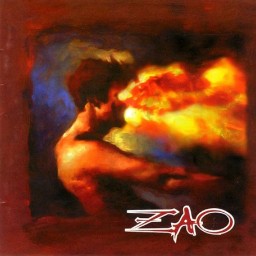
Although I don't think I'll be joining the Revolution, I have to admit that I love punk. Right now the only punk genre I represent in a clan is crossover thrash, which is a problematic genre that rarely ever amazes me. Metalcore, IMO, is the superior genre thanks to the presence of more excellent bands. Unfortunately, the genre also gets very tiring thanks to the countless emulators of bands like Born of Osiris, so when someone in metalcore mixes it up, like Zao does with their own strong presence, I tend to feel a sigh of relief so powerful that it's almost like a weight is finally off my shoulders, as if finding creative metalcore has become a literal chore.
This is their most popular work: Where Blood and Fire Bring Rest. At first it starts off pretty typically, even though it's clear that mood and delivery is taken more seriously than punk energy, which is a sigh of relief. The same seems to be true even as it switches from calm acoustic james to slow punk screams in the beginning of the second song. Unsurprisingly, there are faint traces of proggieness and djent in the behavior of the riffage, but not enough to even warrant a sub-tag. This also feels like a smart decision to me because it's very tamed and used specifically for mood. In otherwords, this is the kind of metalcore album that keeps you on your toes, guessing what's going to happen next even as it rarely breaks its genre. There are quite a few instances of slow-paced growling and droning, which seems to me is an atmospheric choice that the band likes to take advantage of. In other words, speed is of little importance, even for a punk album. Very interesting choice, especially considering that there seems to be some sort of Neurosis influence.
But there's also some time taken for melody whether or not speed is a part of the picture. Listen to the openings of March and Ember, and then finish the songs to see where things go, even if certain sections may easily be dragged on too long. Another interesting choice the band made was writing some songs about hypocrisy in the churches, despite being a Christian band. They're tackling a wide range of themes involving personal struggles, even avoiding the preachy side of Christian lyricism. In other words, the band tried to make a Christian album that raw metalheads could relate to. Again, a smart move. But concerning the lyricism and quirky song structures, practically throwing pop structures in the trash, I'm wondering if each section symbolizes something, which would make this album more conceptual than advertised.
I can see why this is considered a metalcore classic. It's a SMART album. So overall, I kinda like this. Zao have gone far beyond what the Christian rock tag might've indicated for the music browser in terms of both style and quality. I can say, however, that I'd prefer a LITTLE more punk energy in certain sections, and that some sections whether fast or slow be shortened to maintain a further punk presence and less of a Neurosis one. Zao did something very artistic here, and they had their bumps but they were still very smart about this.
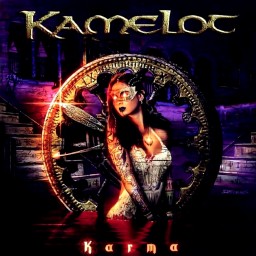
Kamelot's rocky history has practically come to a close with Karma, the album where they master all of the essentials of power metal and create something iconic. It becomes clear that Kamelot recognized their mistakes from the previous album yet again, despite the fact that there was only one mistake on the brilliant Fourth Legacy: it wasn't very heavy. Well after the intro, you're just plain blasted with heaviness. Kamelot improved their technique in that respct, but the music itself is just as brilliant as The Fourth Legacy, if not more so. And Kahn feels much more comfortable in the music he's singing for, so the lack of metal in his voice is adjust slightly to fit the melody so that he no longer has to struggle to go hand-in-hand with his softer voice in comparison to the vocal giants of metal. And the rest of Kamelot didn't even have to adjust their playing for that purpose at all, just the heaviness. Songs like "Wings of Despair" might feel standard, but the instrumentation makes up for that. The ONE flaw of the album is that the music still feels standard for power metal, and it's noticeable. But it's not enough to detract from the quality of the album and the noteworthy improvements the band went through. Kamelot's Karma is a perfect album for power metal bands to draw inspiration from.
There are a lot of bands I need to go through in order to get my top 100 right, many of which pertain to the slower genres I don't normally explore. Having said that, I have many fond memories of a long-term sludge binge I had throughout 2019 and 2020, and I've explored some brilliant artists in that time. One I haven't explored, however, is Hell, not because I'm Christian and I think I'll get possessed, but because it was also a doom and drone album, two genres I haven't ever obsessed over. So, the Hell debut it is.
But the album was quite good. Right from the opener, "Lethe," the music was crushing and monstrous, refusing to succumb to the lightning speed of typical metal and allowing the growls of the guitar to do all of the talking. Sometimes the sludgy music rang truer to Candlemass and sometimes it had the experimental vibes of Nadja I found myself almost hypnotized by its epic finale, "Maeror," which starts out with the almost industrial sounding "dark ambient" influences and continues on into an ever progressing wail of agony coming from the wild, and yet there's a musicality behind it much like an old record player delivering a requiem mass but drowned out by reverb. In this instance the album Soundtracks for the Blind by Swans came to mind.
Despite its heaviness and its authentic faithfulness to the many genres it combines, I feel that the album itself doesn't really do anything that unique for the veins of metal it tackles. Just that it's a good enough performance to recommend. But for anyone looking to get into the slower genres, the Hell but makes for a very good start. Chances are it may not amaze you, but it will likely entertain you if you like these genres. I know this album makes me happy that I decided to explore more drone metal. I'd say it's better thanthe last drone album I reviewed: Thaumogenesis by Nadja, and that was a pretty good album.
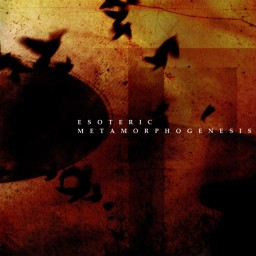
If you had read my previous review of the 105-minute long Esoteric album, The Maniacal Vale, you're probably familiar with my one criticism of the album: the length made it repetitive. So you'd probably think the five-star rating for Metamorphogenesis comes from the fact that it's only 40 minutes long, and is there shortest album, especially since repetition is a staple of funeral doom. Um, no. That honestly has so little to do with it that it's not even worth mentioning. It's true that Esoteric have a tendency to draw out their albums to an extent that harms the release itself. This has been true since their second album, The Pernicious Enigma, which was a one-trick pony in every single way. But the real glory of Metamorphosis comes from the fact that it's so jam-packed with new ideas, twists and musical influences that some have even described the album as "batshit insane." Considering what we typically get for doom metal, we need an album or two that gets batshit insane. I'd have loved for the album to be longer, but we still got 40 minutes of brilliance. It's no longer a repetitive shift from funeral doom to death doom to psychedelic doom. What we have hear is an eternally progressing 40-minute work that throws in random moments of drone metal, post-metal, straight-up death metal and more. And each piece of the puzzle delivers a loud blast of rage that's trying hard to fight its own melancholy but always succumbs like a normal human does. The best combination of musicianship and production that doom can have is the very reason this album exists: a production-oriented 40-minute epic of atmosphere and emotion, giving us something that Esoteric have never replicated.
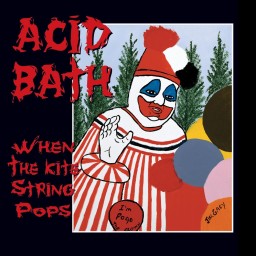
If there's one thing I admire in music, it's a band out to set out they can do anything. We had a band like that for a couple of albums, before a nasty accident lead to a break-up" Acid Bath. And get this: they hate it when their music is online. But if you can pick it up or find it, I strongly suggest it because this is one of the most fun and eclectic sludge albums in the world.
Acid Bath's debut album is a legendary album for a mutlitude of reasons, the most important one being just how much this band is able to do with sludge metal. We have a few Melvins-style jammers that go back to the roots, slow doomy songs that make a man wanna get as high as possible, a couple of death metal songs and a folk song for crying out fucking loud, and some raw psychedelia to keep things quirky and fun. The same goes for our vocals which can go into raw screams, doomy growls and a more melodic alternative sound. But the best thing about this album is how unpredictable it is while still feeling like "Acid Bath." There isn't a moment wasted where the band doesn't put their personality into the music. This is all about a love of metal, and what can be achieved through it. Superstrong recommendation from my part.
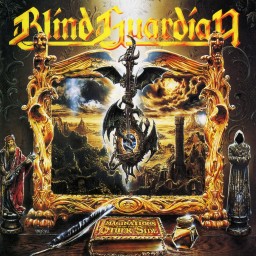
At the time of Blind Guardian's conception, they were just another speed band trying to make it big in a German scene. There was no way in hell they could compete with Helloween, who defined the power metal sound. This isn't to say they were bad, but they couldn't hold one of their LOTR-scented candles to them or Running Wild. But thanks to them and Symphony X, the classical/symphonic influence was no longer a lyrical thing. Albeit, Symphony X got right to it with their debut, and Blind Guardian slowly built it up from Tales from the Twilight World. Just before the band went almost full-symphonic, there was that transition from speed to fantasy: Tales from the Twilight World, Somewhere Far Beyond, and one of their two most iconic albums: Imaginations from the Other Side.
Imaginations delivers all of the goods a true Blind Guardian fan should want from them: the speed, the symphony, the heaviness and the pop-culture poetics. The title track alone lets you know just how hard these guys will thrash without being an extreme band, but at the same time the heavy symphonic sound is exactly like something you'd expect from a "dark fantasy" film like The Dark Crystal. Truly epic without overdoing it. And Hansi Kursch, as a singer, absolutely refuses to control himself, which helps the heaviness a lot more than it hinders. And thankfully, not every song is just another excuse to be as heavy as possible at a 180 beat rhythm that power metal fans obsess over (thanks a lot, Rhapsody). There are moments of true poetic focus, such as the minstrelized "A Past and Future Secret" and the perfectly placed grand finale, "And the Story Ends." And melodically speaking (which is most important for the so-called subgenre "melodic power metal"), most of these songs fall into the best of Blind Guardians melodies, along with the majority of their near equal follow-up, Nightfall in Middle-Earth. But the edge this album has on Nightfall IS in fact edge itself. Nightfall pioneered the symphonic sound by sacrificing most of the speed edge, so it sets up a new era of Blind Guardian, forsaking the speed until the singles for 2022's The God Machine was released.
Imaginations provides the ultimate Blind Guardian experience, perfectly balancing the best of both worlds in the best of all ways. Key tracks like the title (my personal favorite power metal song), "Bright Eyes" and "The Script for My Requiem" may be among the best BG songs, but there is no such thing as filler on this masterpiece. With Imaginations from the Other Side, Blind Guardian proved that they could stand with the greats like Helloween and Running Wild, and that the brilliant Somewhere Far Beyond wasn't a one-time success or a fluke. This is the peak of power metal.
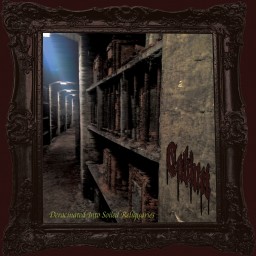
Lots of black metal bands like to kickstart their albums with some slow build up. And then you have Cabinet, who's like, "Nope. I'ma shove a dump truck full of dirt on top of your head. Here's music that sounds like a corpse is digging back to the surface and growling while the earth keeps getting stuck in its mouth. Then halfway through the first track, we get guitars that sound like the music that plays when flies are buzzing around you in the cartoons, expect the flies are gonna kill you. But because of the heavier focus on the noise factor, there's less melody and more chugging than usual, at least there is when the war metal takes the stage. When you have the doomy stuff with the creppy chanting in "Precipitating Pneumonoconiosis In The Cremation Cellar," (I totally copy/pasted that) there's more "songwriting" involved. And out guy's going a little crazier with the sound effects this time. He ends one track with the bubbling sounds of having your head forced underwater, one track ends with collecting wheezings and coughs, and there is one disturbing narration that I won't ruin for you. But overall, this album may be more of the same at its core, but its war metal is dirtier and its clearer edges are smoother. Definitely has a lot of replay value.
90
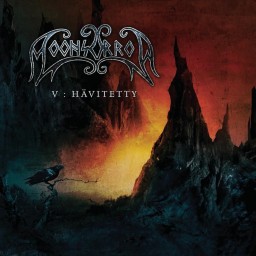
Moonsorrow, one of the more creative bands in the folk metal spectrum, took a big risk and put out an album made entirely of two half-hour epics. Already on a hot streak of one critical hit every two years, this would be the fourth and last album in a string of iconic entries influencing black, folk and viking metal. And while it's not their strongest, it's a fun end to an era. Sure, they'd have another album four years later, but this basically Moonsorrow's hayday just as Tarzan's the swansong to the Disney Renaissance, or the Black Album is to Metallica's hayday. Because of the length, there's less of the folksy weirdness than in previous releases, making it more accessible. But boy is this fucker epic. Starting out wioth an even slow pace, it starts out like a careful epic intro, and the album just keeps it up without going right into the cinematics, allowing for a folksy yet dark and brooding metal experience that's well worth ever second. If you just wanna relax with some blackened folk metal and let your mind be lead through the mountains for a good hike, this is what you're looking for.
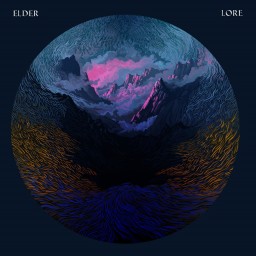
Elder's next on my 2026 goals, so I figured I might as well get through any Elder albums I haven't gotten through yet. I don't really have much to say about this except that this album is perfect for the Monster Magnet fans if you like your stoner and psych drawn out. The album's songwriting is straightforward, never outgoing with wild solos and sticking to the melodic variety and essence. But since Elder is habitually monolithic, this means we're in for a series of epics. Now for some, typically myself, this may be a problem if they don't expand enough. But it tweaks around with post-metal ambience and gritty sludge, occasionally going vocal. Because of both the melodies and the lyrics, the album maintains that surreal wonder that any good psych album needs, and the lyrical style makes up for the otherwise decent vocals. Totally not standing out at all. While the album FEELS the same throughout most of its runtime, and many of the tricks they pull have been done before by other artists, they still manage a good number of tricks and directions. And thanks to a careful collective of genres that work very well together (maybe too well), the album checks a lot of boxes for rock fans. And the best thing about the album is how hard-hitting they are. If this is a rock album instead of metal, it's really no surprise while some people think of it as metal. We're not dealing with a simple-minded mislabelling akin to AC/DC here. They push the buttons of are-hitting with much of what they're doing. So while the compositions aren't the most brilliant, it's difficult not to get behind them and feel like your space trucking through the galaxy with an uzi on your hip, even when the album's sound gets more contemplative.
Well, I liked this one. It got a little more surprising as it went along, the stoner vibes were quite enjoyable, and it bore great stoner metal energy even when it wasn't being a metal album. Glad I finally got around to this.
89
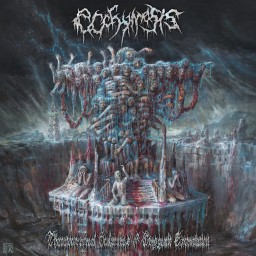
So... new Ecchymosis. Honestly had no idea. Seeing this on the RYM charts on my phone was a bit of a surprise. To be perfectly honest, slam is really something I only explored out of curiosity but not out of any love for it. There are so many bands in this vein that have absolutely no interest in creativity. Even Devourment is much like Lynne Ramsay in the sense that they only produced one thing I love and the rest is either meh or decent. In the case of Ecchymosis, a 65 and a 61 are all they managed on their first two albums. So if the slam fans are gonna unite and put this in the RYM top ten of 2026 this late in said year, then it better be good. But I need real creativity, like the early death of Big Chocolate a.k.a. Disfiguring the Goddess. But I doubted I'd get that.
It's quite the case. The first track makes a case of shoving the snares in our faces with crystal clear production. And it's a cool sound at first, but it loses its charm all too quickly by becoming the focal point of the album. Honestly, does this guy even know what a SECOND piece of a drum kit looks like? Can I just bang my pots and pans like four year old DW cheering about the circus being in town? I get more musical creativity out of brushing my teeth. I can't even hear the guitar riffs at all because they're too noisy to do anything, much like the overly fuzzy camera on the only porn film I've ever watched, and the drumming drowns out what could be made out anyway. The first real solo happens 10 minutes into this 28-minute album, so I just spend a good third listening to a laundry machine washing clothes and banging a cowbell on the walls at rapid speeds as it spins the clothes around. Thankfully, track 4 makes use of a breakdown, which lasts 30 seconds (long as hell for this type of album). And the vast majority of creative decisions last like two seconds, and are scarse among the album.
God. Just... God. This is the type of album that really challenges my moral conviction not to say "objectively" this. It's really testing me not to say it's "objectively overrated," especially on a metal forum. This is currently the number 3 metal album of 2026? Not likely. I really hope it doesn't stay. It has NONE of the spark I got from Dripping, DTG, Katalepsy or Devourment's rerecording of Butcher the Weak. Not only did Ecchymosis fail to convince me for the third time that the slam genre is for real artists instead of just dumb metal heads who wanna hear speed and growling, but their currently highest-charting album on my go-to music recommendations site is easily their worst to me. What a slog, hiding behind a clear sound to justify the band's inability to operate on proper musical channels during recording. Wrong guitar sound, bad focus, same song over and over again for a drawn-out 27 minutes.
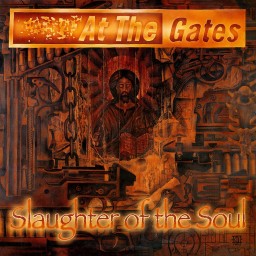
The death metal world practically worships this album, and it's so easy to see why that a child could do it. In stark contrast to the wild and wacky nature of their debut, Slaughter of the Soul is much more simplistic. This is not to say, however, that the album isn't good. The reliance on layout and melody is the tradeoff from the unpredictable riffage from the debut, as well as an acidic and pyrrhic production style. With extra accessibility, their songs are easier to get behind, but there is almost none of the poppiness you'd expect from your average Dark Tranquillity album. Everything here is brutal in its own way, slamming like hammers on drums, and the band made sure every song was a total jam. There's nothing too long or too short here, even when the songs are only two minutes. Everything is packed to the atomic level with death metal extremity untamable anger and an extraordinary sense of melody. Although the band once again writes an album with very little variation between the songs, they perfected the majority of everything else than a great album needs. In fact, this is one of the most well-produced albums of any genre than I've ever heard. It's a little difficult to believe that this was their swansong, considering they've grown in so many more ways than they've digressed.
93
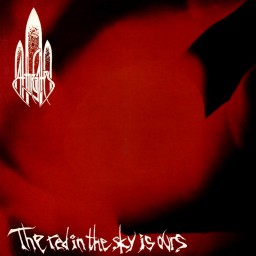
To end my melo-death exploration for the time being, I'm going to tackle At the Gates. I'm aware that they're a death metal staple that's known for the legendary Slaughter of the Soul, which has largely been revered as a polished piece of pure putrid power. I also know that their debut has some die-hard defenders, claiming that the writing alone makes this a better album than overly polished works. Believe it or not, while many online metal communities consider Slaughter of the Soul the band's defining album, some places like Metal Archives and Metal Academy consider this album the better.
The first thing I'm gathering here is SCOPE. This album shoves a large number of riffs in your face, which largely maintain a high level of accessibility. Through the Gardens of Grief is just everywhere their debut's style will allow. I was worried at first that the album would largely sound like that throughout, and that it would be an exercise in style over substance, but Within made a point of bragging about sluggish doom and extreme speeds rather than solos, thankfully. It changes emotional direction into something quite somber. The album has very little to say in terms of genre-exploration, but justifies their level of creativity with these numerous skillful riffs and rhythms.
The production here is actually known for being less polished than many albums before, but that doesn't completely bother me as this is a more traditional and early brand of melo-death. Not exactly fair to expect diamond production on a debut, right? This production style has a very authentic feel to it. But this doesn't mean it's perfect. The album is in serious need of heavier drumming. It's certainly not bad by any means; in fact, it can be quite impressive. Claws of Laughter Dead (maybe I'm wrong, but that's kind of a shitty name) will prove this effortlessly. I'd rather drum like this guy does than Neil Peart.
Overall, this debut was a display of the band's extraordinary powers of riffage, being a single-genre marathon of how to keep an album going on that concept and actually remain consistently intriguing and accessible despite the lack of necessity for consistent layout and proper variety. It's extra rare to find albums like this that can do such a thing.
93
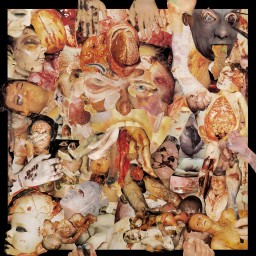
In an earlier review for Carcass's second album, Symphony of Sickness, I mentioned that there was less of the melodic strength that made the third and fourth albums so beloved. In this early goregrind release, as well as their debut, there's even less of that. This is one of those somewhat common examples of early 80's metal albums compensating for lack of creativity with absolute brutality, the way earlier movies by Wes Craven were. "Mature" content over substance. Now the funny thing is, like Wes Craven, the band grew as their career progressed, so by the mid-90's this was basically nothing more than a historical example of how much they grew. Despite a few cute tricks here and there, I predicted how the whole album would go after listening to Symphony of Sickness. Now there may be some charm to have in the lo-fi production. It's certainly a heavy piece. But the production also muddles things that shouldn't be muddled, which cements yet another weak point in comparison to future works. Basically, this overly "adult" album amounts to little more than an imitation album made by a bunch of children who think all it takes to be the best is to be different and "true to yourself" by "not giving into radio capitalism" or some shit like that. Fortunately, this was the last time they ever sounded like this. With 22 short tracks, they found a way to make a 37-minute album way too damn long.
52
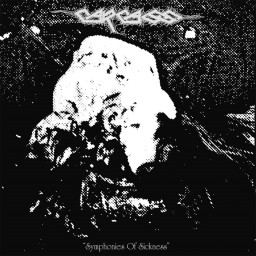
I'm not one for goregrind really. In the long run, then I'd rather not educate myself in an entire genre dedicated to piercing the veil of acceptable gore by turning the most disgusting lyrics of all time into that much of a joke. I mean, it's one thing to have obviously fake pain splashing when you're cutting down b-movie zombies in an intentional cheese-fest like Braindead, but to keep bragging about it as if getting your fingers in between the very atoms that make up gore is how you get your kicks just isn't the kind of thing I think people should be spending months writing for albums. I rarely explore these kinds of bands, with a notable exception being the slam band Devourment.
Nevertheless, I occasionally go to classic acts like Carcass because of their melodic prowess and heavy say in the modern development of death metal structures, which isn't so much about the gore factor as it is about the melodies, production, brutality, etc. But before they were a melodic death metal band, they played around with goregrind, which I find interesting considering that the album before the melodic days would be their second and last album to showcase them partaking in their original genre.
Somehow bordering both death metal and goregrind without steering too far into Napalm Death signature deathgrind genre, this sophomore album is largely about having fun with the metallic sound and setting up a basic structure, so there's not a lot of variety going on. There's a very dirty, gross sound about the production that makes the album sound like it came directly from the underground, ready for vengeance or some shit. And in comparison to many a grindcore album, this one makes a point of consistent and enjoyable riffs rather than being random-ass and overly technical like a lot of modern grind does, allowing their sound to be both fun and grounded for the metal fans AND the punk fans. As well, the production never gets in the way of the band's playing. No, it expands upon the heaviness, which is exactly what an album like this needs. Speeds even fluctuate at an even pace, giving us enough time to enjoy what we have rather than just going off into 50 different universes in a single minute the way Doctor Strange does. Still, this DOES mean that this is a developmental album rather than an attempt at real art, which is still a good thing considering that the practice easily paid off.
Now the internet says that this is slightly worse than the two Carcass albums everyone knows and loves: Heartwork and Necroticism. However, I'd say this is about on par with Torn Arteries. It's a good album that proved that the band knew what they wanted at the time, but it's also a reminder that Carcass made the smart move on the next album and expanded their sound away from goregrind. The thing is, while this is a fun album with a successful vibe, all the riffage is flatout OWNED by Carcass's later work, so I wouldn't put this on the same pedestal others put it on.
75
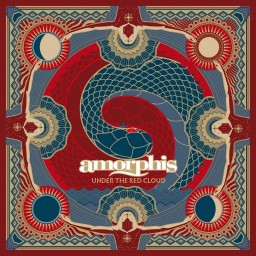
I'm not planning on starting a Metal Academy hall on this, but there's just enough scattered throughout this album for me to call it a death metal album. But much of it builds itself on softer vocals, much like Ulver did with black metal, but lacking reverb. While many of the same elements are shared across the ten songs, including the random shifting between prog and melo-death, and occasional folsky elements, there are certain elements that make it hard to pick favorites among the batch, such as the occasional Arabic touches in Enemy at the Gates and Death of a King (and milder levels of it in White Night), as well as the Celtic metal sound of Tree of Ages. As well, there's a level of melody hear that I have to say utterly astounded me as a prog metal fan. While it maintains strong accessibility, it carefully molds all of the essential Amorphis elements together into, as one reviewer here put it, alchemically (I'm using this fake word and no one's stopping me). As an FMA fan, I have to say that the melody here reaches Philosopher's Stone levels of purity. Still, it's impossible not to notice a formula here that makes things a little predictable at the end, but they certainly nailed rocking the formula. I may have to re-evaluate Elegy, but this is currently my favorite Amorphis album (and maybe my favorite Amorphis album cover).
98
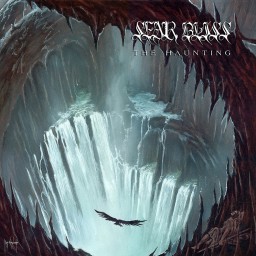
I'm a bit surprised that I'll be the first one to review this album, considering that it was one of the creators who got me into this band. Sear Bliss is known for changing things up about every album, and it typically pans out, even if the end results aren't always perfect. In fact, some Sear Bliss albums are a bit samey when they focus on a singular sound. Their debut album, Phantoms, was just like that, and there aren't many variations in Letters from the Edge or Glory and Perdition. This album is completely different. After the soaring Elysian vibes ruled their debut album, they took a completely different direction, one that's inches away from not being black metal, being dirty and traditional, and even featuring doom riffs. Every song takes a different turn, but still bears the essentials needed for black metal. However, songs like Soulless would rather be made up of part dungeon synth and part traditional doom metal. The point is made as soon as the album's turned on, leaving an earthy texture in your brain. The instrumentation is constantly impressive, boasting some of the band's healthiest melodies. But there is one drawback in all of this: the voice doesn't always fit the melodies, and sometimes (though not most of the time), he feels like he's just there. Hell, even the opener will probably tell you that, unfortunately. Otherwise, this is one of Sear Bliss's most unique, least atmospheric and hardest hitting albums they've done.
97
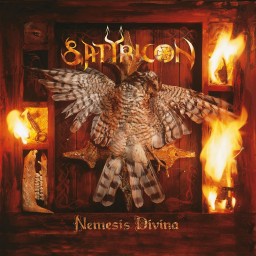
Here it is, the final album I need to review before I finally earn my fourth clan symbol on Metal Academy, the last of the Black Metal Challenge: Nemesis Divina. I've heard absolutely nothing but revery for this album. When I heard their debut, Dark Medieval Times, I was quite impressed with the playfulness, but the second seemed to do away with that playfulness, so I was a bit worried.
The mixing is practically infernal. It sounds like fire coming from the ground just to grab you in the face and yell at you. And these guys have a lot to yell about. The maelstrom of flame will drown out all sound even at low volumes, but nothing suffers in the mixing. It's incredible. Nothing lo-fi about it like in the first two albums. Frost is at his most aggressive and challenging with his drumkit, making for a good deal of the blackened noise that adds to the maelstrom, and the new bassist, Kveldulv, adds an extra layer that they didn't have before. and the new And it looks like some of their playfulness is back as well. I honestly wasn't expecting that jazzy piano outro Forhekset. And it's nice to see them getting more heavily invested in the symphonic sound with Mother North, as well as getting into some proggier territory, especially with their opener, The Dawn of a New Age (could that be any more poetic?) And for their grand finale, they don't go for some standard dungeon synth track like they did last time, they went for a weird piece of softer blackened rock, tribal drums and some ambient on the side. I'd have liked to see more of that throughout the album.
Easily their most challenging and brutal, it's easy to see why the world fell in love with this album. This is basically fire, both in the sense that it's really good and the sense that it burns you up from the inside out. Unfortunately, this is supposed to be where the great stuff ends for the rest of their career, but if this is to be considered a sendoff to that age, then it's a hell of a good one.
95
What I greatly appreciated about the Satyricon debut was the boldness and the exploration of Norwegian influences in black metal. There was a lot going on that added a good deal of personality to the album without ever feeling like too much. This second album, however, trades some of that inventiveness for a more straightforward black metal sound and improved production. This is not to say that it's a bad album, just that a more straightforward direction isn't the kind of direction I would want to take after only one album. Inferior, but still worth checking out.
Now the structures here are very good. There's a lot of clever riffage and some good progressiveness that drives the whole album, even when the songs last ten minutes. It never gets tiring no matter how long any song gets, already helping it to stand out from a bunch of other early black releases that were mostly worried about the sound, the heaviness and saying something rude against Christians. On that latter note, the lyrical poetry remains full of imagery and class. While the typical themes such as anti-religion and Norse wartime are present, they're certainly more full of life than the standard black metal band of the early days. And there's none of that obnoxious gore and vulgarity that Bathory was so proud of when he wrote The Golden Walls of Heaven. I also feel that Satyr, the lead vocalist, improved his range a little on some of these songs, allowing his unique (at the time) voice to go even farther when the back's style took a step backwards. There's more professionalism in his voice this time around. Of course, it finally produces a dungeon synth song at the end, but that doesn't really say "variety" as much as it says "slow and mysterious ending."
This second Satyricon piece was a fun album with a lot of creativity invested in the melodies, but there was an identity shift here that I didn't care for. Still, considering how much effort they put into the melodies and lyrics, I would still say this manages to be a great album.
90
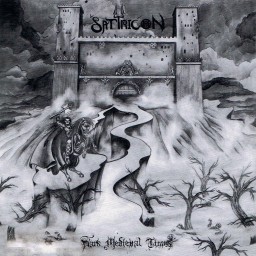
I think I may have made the right choice in choosing Satyricon to end my Metal Academy black metal challenge. Their third album, Nemesis Divina, is the one I need to hear, and is considered their best album. On top of which, there's the coincidence that the previous album I heard for this, Thorns, features the lead singer as a vocalist. Now I say that they were the right choice because right from the getgo, they dive into the artistry, genre-bending and unpredictability I generally look for.
The lo-fi production in this instance helps the tremolos a lot, which is a bit of a breath of fresh air considering how many lo-fi debuts don't manage anything with the production. These guys knew how to utilize it. But softer and flute-driven areas, such as the ones in the title track, have no background noise whatsoever, so the abrupt switches are much more sudden and surprising. The first couple tracks on the album are built on these kinds of shifts, but this is not to say that the band is simply showing off. These songs are just as intriguing and melodic as they are poetic, so this works out for the better on a consistent basis. Some exclusions, such as the folk interlude Min hyllest til vinterland, are a welcome break from it simply because the album already made a point of exploring the world of the North through various musical styles with black at the front. As well, the next track is pure black metal, adding a faint amount of synths in the early days, but not enough to really count towards the extreme development of the symphonic black genre that Emperor pioneered. And while the last two tracks largely go for the black metal aspects already previously established, the songwriting remains intriguing in their own ways. I still prefer the first two tracks, however.
Satyricon's debut album proved that they already knew what they were doing on day one. These guys were built for black metal, and if they're only gonna keep getting better from there for a while, I expect brilliant things from them.
94
Not sure why I didn't get to this album before. Taake exploration has typically been really on and off for me. I've always liked his albums well enough, but never really loved them. But since I heard a few, I guess that obligates me to hear Nattestid ser porten vid. It's conisder his best by many of his fans, after all, and it IS an influential debut album.
I have to say I have mixed feeling about... the mixing. It's nice that the Paysage sound that is known for drowning things out creates a noisy, despondent atmosphere, but the issue is that the drumming is way too drowned out, and flows to closely to the sound of a poorly recorded demo in the guise of a studio album, when Paysage's demo was handled LIKE a studio album. Even when I was on Taake's topic page listening to the official playlist, I thought I landed on a video with bad mixing and that video somehow landed in the topic page by mistake. But I'm not gonna complain about the compositions. They were a lot of fun. There was an ass-ton of energy that was just begging to be released, like a battery is about to explode. I would even go as far as to say some of these songs are absolutely genius, and thankfully, a couple of them have better mixing for the percussions than others. The problem is mostly fixed on III, which is flat-out one of the best black metal songs I've ever heard. The raw ferocity and the incurable rage are on STRIPPER display. There isn't a lot of variation between tracks, but it remains fun throughout, and ends with an incredible nine-minute bang that almost matches III.
So despite its mixing problem, I would agree with those who say this is his best album. The mania of the album is enough to drive you insane from metalhead zealousness. For the most part, Furia certainly knew what he was doing.
92
Now you don't have to look too closely to notice some stylistic similarities to Dissection, Necrophobic and Dawn, but they developed their own identity by focusing more on the atmosphere than the riffs. Their have the tremolos of one a careful mix of evil and serenity. Hell, it doesn't even have to be black metal. That 3.5 minute piano interlude called So Far Beyond is truly appreciated, considering that most black metal artists will just include a weird sound effect at the start for a few seconds before blasting right into the black metal. And Vinterskogen is basically a slow instrumental ballad praising everything that's supposed to make the more beautiful side of black metal what it is. That's easily one of my favorite melodic black metal songs ever, and melody only comes second to the artistry. But even though they're not as riff-based as Dissection, whatever solos and riffs they do carry are generally very impressive. But one negative I need to point out is the drums. It kinda of beats in the back of my head in an awkward way, like a woodpecker doing its natural duty. That can be a big distraction, and should've been replaced with another drum. Still, it's very nice to hear a black metal band focus more on delivery and variation than on trying to set up a formula to follow.
Now there are only two things getting in the way of a five-star release: a little familiarity and the bass drums. Otherwise, this is totally solid. It's evil, it's melancholy, it's serene and it's gorgeous. Yet another iconic one-album-wonder from the black metal scene gets my stamp of approval.
93
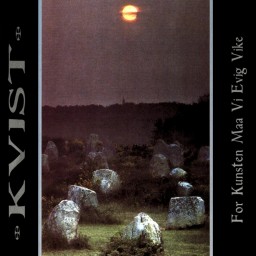
Yet another unfortunate tale of a clever and skillful metal band having only released one album, just like Weakling released Dead As Dreams and we never heard from them again. Apparently, the people behind this album, Kvist, only managed to release one single 25 years after this album. And the worst part? We don't know a damn thing about the reasoning behind it all! The band said nothing. There is nothing. It's blank. There is no secret ingredient. Thus, considering the shorter length and the melodic tag, I had a feeling I would like this even more, and be even more disappointed by the one-album-wonder status.
With just a noticeable amount of the fantasy synths and abnormal guitar tricks that make up dark metal albums like this, the band is able to play up the melodic side quite easily, no matter what mood they set up for their songs. The vast majority of their rhythms are just as enchanting as they are intriguing, like I'm listening to an alternative soundtrack to The Dark Crystal. Honestly should've listened to this when I was writing the first Nialoca book. One of my favorite things about the album is how hard-hitting the percussions are. There's a real force to them that's clear and not too loud but effective. As well, there are just enough ventures into the symphonic side to occasionally spruce it up without feeling generic (although it DOES tend to recall Summoning occasionally). And even though many of the songs are quite similar, nothing ever overstays its welcome. So this ended up being a cool gem to add to the black metal catalog, one that will keep people begging for a second album, even if they have to beg God for time travel.
91
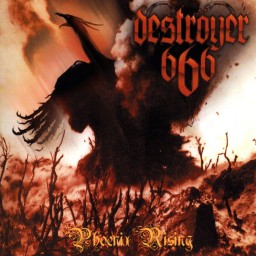
Having fully differentiated themselves from blackened thrash acts of the past while improving on the strengths of their own debut as well as the strengths of the albums that influenced them, Destroyer 666 continued to prove themselves with another album that took the metal world by an apocalyptic storm. The improved blackened production adds yet another layer of depth to an already pretty deep band. You can hardly find any black or thrash metal that sounds this harsh. I Am the War God will tell you everything you need to know about how far their blackened production has gone. The first half might really impress you, and the second half is even better. The extra ferocity in the production and riffs goes hand in hand with the more creative solos.
But I do have this to say. In their efforts to cement themselves as great artists, there were a couple things they forgot. For example: The Last Revelation is only 2.5 minutes long when it could've had so much more potential on its own, what with how easy these guys make complex and weird guitar solos look. Just look at the title track. That one needs a few people to lasso it in. I guess they really wanted to make sure the title track specifically stood out, and they did. As well, the diversity factor was a little bit weakened to make room for the new sound. Otherwise, this album is five kinds of insane.
90
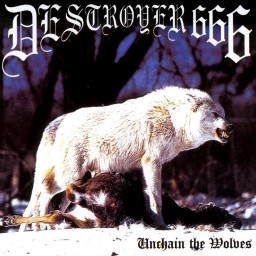
If there's one thing I want to see in an album, it's a strong sense of art. On their debut album, Destroyer 666 seemed to utilize that a lot more than a lot of other thrash bands did with their debuts. After having finished a Metal Academy Thrash Albums Challenge, comparing them to Unchain the Wolves was pretty easy. The band is really trying to exceed their artistic limits here. Slow-paced melodies and tempos like the ones present on Genesis to Genocide and Tyranny are so carefully handled for their long runtimes due to a strong sense of epic atmospheres. And then you have rocket-speed hitters like Australian and Anti-Christ which makes a point of emulating the blackened thrash sound of early Bathory but with the band's own presence, and then moments that can go pure black and assault your ears and brain like Six Curses from a Spiritual Wasteland. Now the melodies aren't always the best, but they're operable and they're varied enough in each song to ensure than nothing gets tiring. Even a shorter song can go to three different places before it reaches the halfway point and still feel like its own song. However, with the sharing of standard thrash and black tempos, there's also an are of familiarity present through the album. These are most present in Side B, and they get a little tiring by that time. Otherwise, the album is pretty well done. These guys seem to have an authantic hatred for organized religion, and that anger drives both their creative side and the ferocious mood of the album.
87
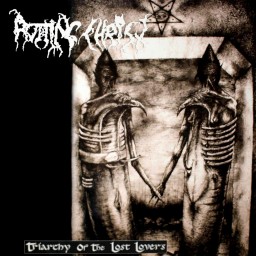
The first two Rotting Christ albums, Thy Might Contract and Non Serviam, built themselves on a dirtier sound and a plethora of riffs, while the first one favored riffs over structure and the second album was a slim improvement in structure and production. While I liked them, they weren't necessarily the legendary albums I was hearing about. In fact, I even started these first three albums a couple of times in the hopes of that PERFECT melo-death album for my top 100 metal albums, and they didn't deliver due to sameyness. But now I'm getting through them, and I'm mostly satisfied with what they did, but this third album is closest to living up to its legend than the other two were.
The third work, Triarchy of the Lost Lovers, doesn't have dense blackened backgrounds, but rather clean and crystal production, allowing the percussions and the guitars do the talking as they are. No noise factor, no reverb. All clarity. Even when the blast beats are going at their fastest and when the guitars are at their noisiest like in Shadows Follow, the whole thing is straightforward. This is about the band, not the engineering. Early on, the band shows off a much needed boost in layout structures balanced out with clever riffs, and a lot of those take the stage in both verse and solo. As well, the sound is less darkened and more melodic, which means the band is trying to shift their focus, and it works out quite well. And while many songs share some of the same ideas, the band is branching out into other emotional territories and more tempos as well, when the first two albums were quite samey and used production and technicality, as well as short length, to justify what skill they had. While it's not as dirty and muddy, and more akin to standard black metal, the sound itself is fully justified by the extra boost in creativity and cleverness. And while the lengths of the songs are a little longer, this time, the band can fully justify the lengths without feeling incomplete because their songwriting has gotten that much better from the debut.
I get why so many people love this album, and I'll bet the Greek metal underground is more than happy to have this album representing their country while influencing an extreme metal scene of their own. This is the most fun of the classic three albums, and shows several steps forward for the band.
91
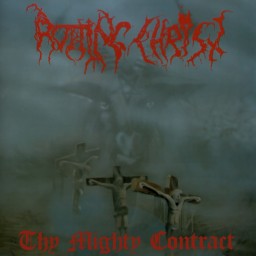
Thy Mighty Contract, debut album of influential Hellenic black metal band Rotting Christ, has some very rough, deep and a downright dirty sound to it which feels similar to death metal or war metal. The album is loaded with fun riffs of various shapes and sizes, which is kind of a sigh of relief considering that the songs rarely break the vibe or genre meant for it. I imagine that a lot of these riffs would be a lot of fun to play. One of the rare examples I can think of are the Metroid electronics heard for a few seconds in the middle of Exiled Angels, and another being only a couple of instances of angelic synths that barely make an appearance for more than five seconds. If they were going for developing a signature sound, then they certainly did the job. And thanks to the production, everything comes out clearly, and they still manage to make it sound really dirty in their own way. I think that's actually very impressive. Of course, being their first time, I'm not surprised that the album had some noteworthy flaws. For one thing, some of the songs feel like they need another verse, like the were incomplete. I mean, if the opener, The Sign of Evil Existence, was showing the band going for a two-minute song rather than a two-minute intro, they should've stuck with the intro, because the song had a lot of potential that could be explored. Same goes for the next couple tracks. As a result, the album goes by much more quickly than it probably should, clocking in at 37 minutes. But all of these songs manage a fun perspective anyway. So this is a good debut that shows personality and technical / melodic skill in lieu of variety and structure.
78
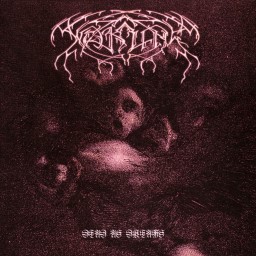
I can only imagine what it was like for those in the know throughout the metal scene to get invested in such an awesome band only for them to break up after one album. I can at least understand the disappointments of a good band breaking up and the disappointment of a great band only having one album. For the most part, I've never had to deal with the gut blow of both happening in conjunction. In fact, it's for that reason that I didn't bother with this 70-minute album for a while. But now that I'm taking Metal Academy tests to cement myself as a true black metal fan, whether or not this album was required to pass is irrelevant to me (although it is). I have to stop putting this off.
This album was made just as atmospheric black metal had already made its mark on the underground world. People were already more than familiar with the likes of Blut Aus Nord and Burzum, but this was a different monster entirely. The muddy drum sound, the despairing and disturbing guitar tones and the overall emotional core of the music is absolutely haunting. It might've been their first album, but as Salieri said, this was no piece by a performing monkey. With the right doses of blackened noise, doom metal and prog metal taking the stage, the album is not only a product of its time but an aural mirror into human torment. Hell, even the lo-fi production adds an essential factor to the construction of the mirror. I can't imagine this album sounding as good if it has polished production.
Don't expect to bang your head to this, don't expect to dance. Find a good chair, sit back, and let the sorrow and lapse in sanity take you away. Breathe in every second of this muddy and horrid soundscape that throws emotions at you with the speed of a whirlwind and the strength of a hydraulic press.
91
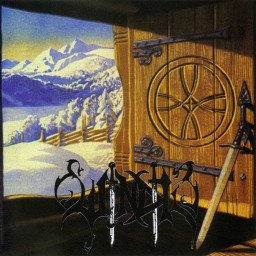
The 90's metal scene was all about two things: crossing the dark side to the radio world of alternative and exploring the true darkness by experimenting with the limitations of extreme metal. In the blackened vein, after Emperor and Cradle of FIlth built up symphonics, and winter atmospheres were growing, Windir took the stage for the raw, untamed sound of old time Scandinavia. While the viking aspects of the intro sound dated and cheesy, the sound of the rest of the album is quite good. It fleshes out the style they built for themselves on their debut with a stronger sense of melody. The production of the edition I'm listening to isn't bad. I'm given the black metal feel I demand, which is busy, somewhat noisy, and yet clear enough for everything to be properly displayed. I understand that many RYMers wrote reviews long ago about how the production was below average. Considering that I may be listening to a rerelease on YT, I have to wonder if they remastered this edition.
As opposed to the outright evil displayed in many different kinds of black metal bands, Windir took a very different approach. This album shows how far they can go into the triumphant, positive and epic vibes that come with the pride of being a viking. This is music right of the the ancient North. And it rarely even takes this direction to weird, seemingly inappropriate directions, like playing up the vibes to an obnoxious extent. The most obnoxious and not-so-serious thing about this album is the dated intro. In fact, the album is even so much fun that when I checked the name of the track I was on, The Blacksmith and the Troll of Lundamyri, I didn't realize I had heard four-and-a-half minutes of it, and that I was halfway through. I honestly thought I was three minutes in at most. But because the band was focused on developing a sound, there's not a lot of room for branching out beyond that. In other words, the album is mostly about the identity of the band, and justify it with the skills they have.
This is one of those albums I gave a 100 to when I was first exploring black metal, which was a whole new world for me on a multitude of levels. But now that I'm much more familiar with it years later, I've been lowering the ratings of many black metal albums. So I would even go as far as to say that this album is more on the level of Cruelty and the Beast, being a 9/10. I'm pretty happy about this though, as this common element of my recent reviews showcases how much I've grown and become aware of standards to develop. This is a fun and influential album, but having started this earlier a few days ago and having fallen out of favor is what lead me to start a plethora of melo-black albums in an effort to find that PERFECT one. So, Windir's re-evaluation helped me grow and discover something new.
89
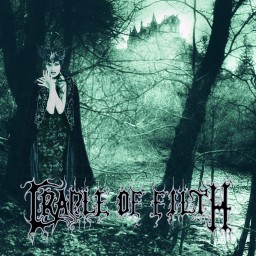
We online metal nerds are basically ordinary people, except we listen to Cradle of Filth. These guys were one of the several bands who were key in developing the symphonic black sound, largely through their second and third albums, Dusk and Her Embrace and Cruelty and the Beast. As you can probably tell from the album names, they were all about the romantic side of Gothic imagery as opposed to just singing about the devil. Their signature sound made heavy usage of the Gothic metal sound, and it helped that they were easily able to switch between various vocal styles ranging from low death to shrieking black, and include heavy usage of whispers and occasional soft, female singing. This helps the creative flow a lot, but isn't perfect. It honestly sounds like Dani Filth's shrieks are largely made up of one vowel. He might as well be going, "DA DA DA DA!" His growls are fine, but still. It's also nice to see that early on in their career, the had the right production quality to allow their Gothic sounds to mature properly. It's not OUTSTANDING production but it works well for the sound they have. A cheesy band like that needs the synths to shine a bit, right? And these guys love their synths as much as their blast beats. The compositions themselves are quite fun and energetic, going to a lot of places quite naturally. Some are very impressive while most are good and fun. The album stays like this throughout the whole, so the band maintains the style they've cemented quite well on the sophomore. That right there showed some kind of prowess, and that sound would last for quite a while. Cradle of Filth was all about a new identity, and this album shows them doing everything they could to maintain it, even if the combination of genres didn't fully allow them to write "different types" of songs.
90
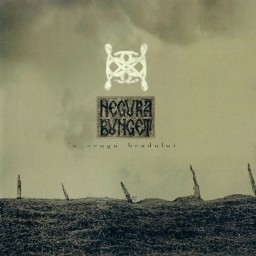
Neura Bunget are a band I've always somewhat appreciated for balancing their boldness in the avant-garde department with a consistent flow. The album tight before their signature OM, named 'n crugu bradului, is known among black metal fans for pushing those boundaries, walking the tightrope until picking a love or hate side is basically unavoidable. I suppose this is the album that cemented them as an experimental band. I never really had a problem with it, personally.
When I first heard this album, I gave it a 94/100, almost matching their signature, OM, which had a 97. In fact, I would even go as far as to say the opening epic (the album is divided into four 12-13 minute epics, each numerically named in Roman) is one of the finest black metal songs I've ever heard. It's like what would happen if Rod Serling and Edgar Rice Burroughs decided to collab, and the end result was a Twilight Zone venture into the mythology of an ancient tribe. As for the other songs, they deliver some new ideas while following up on the same format as the first, also showcasing another side of them by perfectly implementing light amounts of the folk sounds of their home country, Romania, like people have been doing it for fifty years. There's one very mellow, lengthy and carefully constructed solo in the middle of III that just tugs at the back of your head, demanding that you try to go to sleep and let yourself be absorbed in the sound until you're rudely awakened by a black metal alarm blaring like a vulture. Now some of the general black metal riffs here are not the most originally compose, but the production style allows the storminess of their black metal genre to burst through the headphones while going above the Richter scale. The windiness aspect is made into a piece of wonderfully empty but chilling ambiance on IV which only allows the faint echoes of singing and guitars to bleed out, giving it personality. It drags on just a little longer than I'd like before the black metal comes back, but it was still impressive. even then, it includes alien whistling in the midsection that I honestly wanted more of.
This may come as absolutely no surprise to anyone who knows me, but IMO, 'n crugu bradului boasts a lot of brilliance in the way genres are played with among the more typical black metal riffs. This could make the album a regular for me to blast while trying to drown out noises on the outside, and maybe just because I wanna soak up some of the weirdness. Like I said in the first paragraph, when I first gave this album a spin, I gave it a 94. I think I was right.
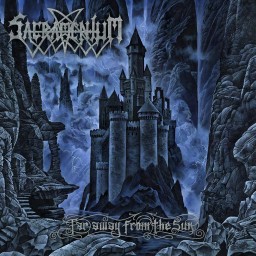
Along with Dissection, Sacramentum is considered essential to the development of the melodic black metal subgenre. When I was first exploring the satanic side of black metal, I finally got around to trying these guys and many other classics. This album specifically was one of the 95/100's, when the other Sacramentum albums couldn't even keep up with it. Ironically, I just heard both Dissections as well as the first two releases by a more recent band called Stormkeep, and both bands blow this beloved debut album out of the water. From a genre perspective, it has more strengths than weaknesses. The epic personality matches perfectly with its production technique. Somewhat noisy yet still somehow clear, everything comes out beautifully. A collective of fine melodies and riffs rules the album front to back, never once even allowing a dull moment to enter through the gates of the castle painted on the cover. For a fan of the genre, this would be some good, easy fun, and because of its influence it remains a revered classic. But the thing is, I can't revere it the way I used to back when I was still new to black metal. I admit, this album's a good amount of fun, but I can't compare any one of these melodies, rhythms and riffs favorably to the things I heard in those two Dissection albums or those two Stormkeep albums. It's like The Aaron Carter to Dissection's Nick Carter, except still listenable. Either way, unlike the first two Dissection albums, this didn't age quite as well for me, now that we have so many emulators of the two at least being able to match and surpass this one when they usually can't do so with Dissection. ANd strangely enough, now the other albums are closer to keeping up with this on in my honest opinion.
83
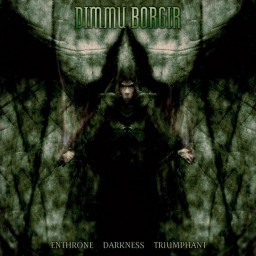
Dimmu Borgir is a much more accessible black metal band than most, so they're probably a very good starting point for exploring black metal in general. In their best albums, there isn't as strong of a blackened atmosphere as most black metal albums, and their melodies are a bit poppier. But I haven't heard anyone complain about Dimmu Borgir the way metalheads have done when other bands from other extreme genres end up sounding too "poppy," and maybe this is because Dimmu Borgir maintains a dense sound loaded with gothic energy and textures. I've even heard that they're one of the highest selling black metal bands in the world.
While the symphonic / melodic / gothic combo prominent in Enthrone Darkness Triumphant is maintained as a constant with minimal variation through the album, the accessibility of the album is lived up to due to the melodic strengths and clever production. There isn't a single part of it that's not balanced perfectly between catchiness and darkness. This was different from a much more revered symphonic black album, Emperor's Anthems to the Welkins at Dusk, in the sense that it was more about having fun than it was about developing a style. And they had done that beautifully, keeping things entertaining and somewhat mystical along the way. While riffs and extreme technicalities are absent, overall, the catchiness and mystical vibes are almost addicting. And since the songs are typically between 4 and 6 minutes, it's a miracle than none of them feel too long because they kept on delivering various kinds of catchy and mystical ideas as opposed to be guitar wankers.
I suppose many imitators these days may end up beating this album at its own game with some extra creativity, and part of the reason I'm such an Emperor fan is because of what was done on Welkins. But I won't deny that every time I hear this album, which is rare, I have fun with it. They make it easy to get invested in the mystical moods without drawing away from black metal tremelo textures. The two go together perfectly on this album, and in my opinion, an excellent sense of melody definitely justified the fanbase, historical status and the high sales for a black metal album.
90
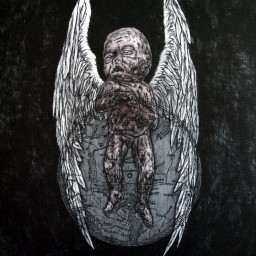
I haven't heard the first two Deathspell Omega albums yet, and I heard they were actually kinda mediocre. That's not gonna stop me from checking them out at some point, but as far as their best stuff goes, Si Monumentum is the album that put them on the map. Helping to popularize Orthodox Satanism in black metal, revitalizing a topic that was becoming cheesy and unoriginal, they created a repetitive yet complex take on black metal that's just as scary as it is intriguing. With the right headphones, this production style makes the blackened guitars sound like a freaking tornado. The title track will even say all of that. It's like their are constant specks of dirty flying against your window. If you could drive into an album the way you do on the road, you would NOT want to drive into this. It'll turn you upside down the way it'll do to your mind and soul. And it maintains this ride throughout. However, at 77 minutes, I would say this is a bit much, since the band was able to prove its point time and time again across the first 40 minutes alone. Still, if the first two albums are considered mediocre by the masses, then Deathspell Omega's tertiary effort is a step forward not only for the band, but for black metal in general. Easily an important album worth exploring.
87

I believe this is the third time I've heard this album. I've given several Drudkh albums high marks as I was less experienced in atmo-black, and loved the production and the autumn vibes. I don't feel like I forced myself to enjoy them, but now that I've heard more than enough metal for a couple lifetimes, going back to this album, I can see why people like it... but not why people love it. The album's music is basically the equivalent of a musical white noise machine. There's excellent percussions that are light, speedy and creative, backing up every perfectly produced piece of atmosphere. Slow melodies can be hypnotic if you just want some slow melodies to send you into a state of total calm. Drudkh is one of those bands that can make perfect examples of total calm with extreme metal last 40 minutes on end. But as a guy who craves creativity, suffice it to say, while this album feels like it would be good for the brain and soul, nine minutes without changing pace, especially when all forty minutes of the album do this, doesn't necessarily say great things. The band is good at this one thing that they can do, but now I don't feel any need to go back to this ever again if I want something calming yet more inventive. Still, no fear factor, total atmosphere and an almost heavenly sound make this stand out amongst others who try the same thing, at least vibe and production-wise.
75
Leviathan is one of the forerunners of the more emotional brand of black metal. He has an almost unmatched ability to create sonic textures that leave you haunted, angry or crying. This is most artistically present in his side project, Lurker of Chalice. Not sure why he chose a different name, as I imagine that's not great marketing (maybe I'm naive about that), but the album still ended up being a staple in modern day atmo-black metal. I ignored it for a while because I didn't realize it was a Leviathan project until only a few months ago. Kickstarting my new List Challenge on Metal Academy, I figured this diversified work would be a good starting point, and it really was. Songs are drenched in atmosphere, flawless and even elegantly disturbing soundscapes that are more shift in atmospheres than compositional melodies. This is one of those albums that shouldn't, and I mean SHOULD NOT, build itself on melody, and I'm addicted to melody. There are moments that are doomy and sorrowful, noisy and disturbing, beautiful and slightly melodic, all organized to put you through an alternate would where pain lies on every road and you're smackdab in the intersection, where the forks in the road stab you and feed you to the wolves. There are a million different ways for the album to do this, and on most occasions it justifies absurd lengths, such as the ten minute This Blood Falls as Mortal Pt. 3. Ironically, I found the first song, Piercing Where They Might, to be a bit too repetitive, even at six minutes. The rest of the album is largely perfect. I had a feeling this would end up being my pick for the best Leviathan release, and I was right.
98
I'm not very well versed in Abigor, but since I'll be joining Metal Academy's North Clan soon, it's time for me to get started on a North List Challenge. But first, before I handle the 2nd Decade Challenge, I'll celebrate with some classic black metal from Abigor. I'm familiar with their debut album and thought it was quite good, but nothing special. This is special, in a million ways. There's a cinematic approach which allows the band to maximize their abilities. Flawless production and mixing allows the full extent of their black metal prowess to bleed through like a big gash in the gut. Not only is the balance between black metal speed and proper compositions perfected, allowing the band to constantly surprise every half a minute without breaking the essence of any song or the album itself, but the crystal production allows that second layer in the background to be heard quietly but clearly. It would be nice to see them diversify their ideas more, but at least we have some brilliant playing and clever layering to back it all up. To be honest, the first couple songs astounded me, but it felt less original as it went along. Still, I'm happy to get through yet another classic in the traditional black metal scene, and I'll definitely check out more Abigor albums later on.
93