
The Jazz Thread


Frank Zappa - "Hot Rats" (1969)
Frank Zappa's debut solo album & I have had a rocky relationship over the years & that's still largely the case today. I'm not a fan of half of the six songs on offer however the record is saved by the fact that the other three are much lengthier & more substantial than the shorter pieces. The sound of "Hot Rats" sees Frank combining jazz & rock for a result that straddles both jazz fusion & jazz rock very nicely but the dial is certainly directed further towards the jazz side of the equation than it is the rock one in my opinion. Zappa's guitar improvisation is my personal highlight so I tend to go for the more expansive arrangements where he gets to really open up. It's not a bad listen but I can't say that it fares all that well alongside other jazz fusion records of the time, at least not for me personally.
For fans of Soft Machine, Mahavishnu Orchestra & Allan Holdsworth.
3.5/5

Soft Machine - "Third" (1970)
After quite liking 1968's "The Soft Machine" debut album from this Canterbury scene icon recently, I thought I'd better check out their most highly regarded release in 1970's "Third". It sees them fully embracing their jazz side in a double album format that includes four lengthy full-side pieces, each breaching the eighteen-minute mark. Of the four tracks, I'd suggest that only one (the disappointing "Moon in June") is actually prog rock based with the other three all sitting far more comfortably under a jazz fusion tag. The musicianship is astounding, as is the scope of the compositional work for the time, although there has been a lot of splicing between different performances which makes the producer seem like another band member with a release like this one. Surprisingly, I think I prefer the psychedelic rock sound of the debut over "Third" but there's not a lot between them & I've experienced a similar level of enjoyment with their third full-length.
For fans of Gong, Caravan & Henry Cow.
3.5/5



Didn't think Takanaka was gonna do a country fusion track, but it's pretty bitchin'.
I suppose I'll end my Hiromi study with this year's release, Out There, and then likely move onto Hermeto Pascoal for the next couple days.
My jazz fusion studies will conclude with just a couple more albums by the following artists: Casiopea, Bela Fleck and Henry Threadgill. Just when I think I'm done with the jazz fusion studies, I find a couple extra details I need to get done. After that's all done, I'll head onto post-bop. But first! I'm at the point to where I can safely binge another metal band for the list challenges. I only have four bands to get through. This time, it'll likely be Destruction.
Right now I'm on UFO Tofu by Bela Fleck. So far, it's pretty good, but nowhere near the heights of the debut.

Miroslav Vitous - "Infinite Search" (1970)
The second solo album from Weather Report bassist Vitous has been a stellar find this week. I had no idea who the supporting cast were going into the record but was easily able to identify some of them as soon as their music hit my ears as their signature styles are so familiar to me:
Miroslav Vitouš: – bass
Joe Henderson: – tenor saxophone
John McLaughlin: – electric guitar
Herbie Hancock: – electric piano
Jack DeJohnette: – drums
Joe Chambers: – drums (on track #6, "Epilogue")
Wow! That's an unbelievable lineup, particularly given the inclusion of McLaughlin who is my all-time favourite jazz guitarist. The material sounds very similar to the classic Miles material from the period too & has clearly been inspired by those classics while also being a little more avant-garde with Vitous' bass being the main protagonist most of the time which isn't all that common. This record comes highly recommended for jazz fusion fans.
For fans of Miles Davis, Joe Zawinul & Jaco Pastorius.
4/5
Here's my new jazz fusion top 100. Ratings go from 100-89.

Today is a Roland Kirk day. I just finished I Talk With the Spirits. I like its childlike approach, almost like a bedtime story told through music. The jingles of the first half greatly outweigh the second half. 83. Now I'm starting Volunteered Slavery and it's starting off great.
Taking a small break from post-bop to re0-evaluate a couple of avant-garde jazz albums. I'm going back on Tauhid right now, and if things continue to go the way they do, it might become my new #1 avant-garde jazz album. It has some of the wild behavior of Black Saint but with a much more spiritual presence, and plenty of room for soft meditation as opposed to filling it with catchy hyperactivity, which is either charming and meditative or dark and surreal depending on how the flow goes. There's a much more astral presence to it, and I'll even consider this a healthier album than Karma if the second half is just as good as the first. Hell, three minutes in, the guitar tricks sound almost exactly like a proto-Merzbow piece or something. So I think this'll make it.
New addition to my top 100 albums of all-time, not just jazz.
Charles Mingus - Town Hall Concert 1964
Genres: Post-Bop, Avant-Garde Jazz
I struggle with finding post-bop albums that really amaze me. This has the same evershifting consistency and wide-ranging delivery of Black Saint and the Sinner Lady and almost all of the melodic prowess. But of course, when you put Mingus with Eric Dolphy, amazing things are likely to happen. I mean, So Long Eric is flawless jazz on its own, but Playing With Eric is just otherworldly. I felt lifted into space with this one, especially during the first nine minute section. There wasn't anything like this before. This basically did the same favor for jazz that Shpongle would do for EDM with their debut. Currently, Town Hall Concert 1964 is my number 1 post-bop album, and a much needed addition to my top 10 jazz albums considering the plethora of jazz fusion and spiritual jazz that rules it.

Art Pepper - The Trip
Genres: Post-Bop
It appears that Art pepper isn't very popular on Jazz Music Archives. That feels a little awkward since I've seen some darn good praise for his works on other websites. This album in particular, The Trip, is part of what looks to be a comeback period after a ten-year hiatus from 1963 - 1973. But I've heard quite a few Art Pepper albums before this one, and I have to say, I'm not terribly impressed. Out of the seven I've heard, this is the second worst.
And why? Now the moods are alright, nothing that hasn't been done before but nothing that doesn't at least get to the back of your neck. But the real issue is that only half of the six tracks have any engaging melodies or sax solos, so it's only really enjoyable half the time. Three tracks are pretty boring, two are only pretty good, and the only track worth bobbing your head to is Sweet Love of Mine due to its slight Latin flair. So suffice it to say, even though some people seem to love this one, I really can't see myself going back to this anytime soon. It's got some finely-tuned aspects, but the melodies can get quite dull.
67

The Lloyd McNeill Quartet - "Washington Suite" (1970)
This was my first time with the most celebrated releases from this Washington flautist & I've quite enjoyed the experience, although I have to admit that I prefer my jazz fusion with a little more of a rock edge to it, particularly with the inclusion of guitar & saxophone rather than a flute-led outfit. The opening track "Home Rule" is excellent with a lovely groove though & there can be no denying the atmosphere that this material creates so it's worth a listen or two. Is this really jazz fusion though? I think it's more traditional than that to be honest.
For fans of Miles Davis, Nucleus & Miroslav Vitous.
3.5/5

Bohren & der Club of Gore - "Sunset Mission" (2000)
These Germans represent the absolute pinnacle of the dark jazz movement with "Sunset Mission" being one of my very favourite releases from any genre, even going close to cracking my all-time top ten. The depth & atmosphere on offer here is quite simply unparallelled & the class & elegance with which they execute the material shows them to be absolute masters of their craft. I've generally always placed Bohren's next album "Black Earth" slightly ahead of this one but I might need to reassess that position after this week's revisit as this is utterly supreme music right here.
For fans of Angelo Badalamenti, Dale Cooper Quartet & the Dictaphones & Kilimanjaro Darkjazz Ensemble.
5/5

Miles Davis - "At Fillmore: Live at the Fillmore East" (1970)
This release is a collection of material pieced together from four consecutive shows at the Fillmore East in 1970, presented in a double album format & featuring an incredible line-up that includes Steve Grossman (saxophone), Chick Corea (piano), Keith Jarrett (organ), Dave Holland (bass), Jack DeJohnette (drums) & Airto Moreira (percussion). The notable absence of my all-time favourite jazz guitarist John McLaughlin is a bit of a bummer as I've always been drawn to jazz fusion that includes killer guitar playing but Corea & Jarrett do their very best to sound like guitarists at times, utilizing fuzz boxes & wah pedals consistently across the tracklisting. This is some really whacked out shit going on here though & even hardcore Miles fans will struggle to pick out the originals from these improvised jams that are all drastically different night to night. In fact, I'm gonna have to suggest that this release is a little TOO experimental for its own good, often falling into mindless noodling at the expense of genuine musical value. Still... Miles is an absolute god in my eyes & you can't deny the sheer creativity & musicality on display here. Just don't expect anything particularly classic. I'd recommend the Friday night show as the clear highlight if you're looking for a taste.
For fans of John McLaughlin, Miroslav Vitous & Weather Report.
3.5/5

Bohren & der Club of Gore - "Black Earth" (2002)
After my incredibly successful revisit to 2000's "Mission Sunset" album recently, I thought I'd pull out my old "Black Earth" CD too & have been rewarded to an equally mind-blowing extent. These guys are quite frankly playing on another level to the rest of the dark jazz scene & I now have to speak of them in terms of being one of my very favourite musical artists overall. "Black Earth" is even deeper, darker & more stripped back than "Mission Sunset" was & sits right up my alley from a stylistic point of view. I think I'd give its predecessor a slight edge over it in terms of overall consistency these days though but there's very little in it as both are pretty much perfect. I challenge any doom metal fan to tell me that this jazz is not their bag.
For fans of Dale Cooper Quartet & The Dictaphones, The Kilimanjaro Darkjazz Ensemble & Mount Fuji Doomjazz Corporation.
5/5

Miles Davis - "Live-Evil" (1971)
Miles' 1971 double album is a very solid representation of where he was at creatively at the time & is a hybrid package that features both studio & love material. It's a lot less avant-garde than the highly praised "At Fillmore: Live at the Fillmore East" from the previous year but has maintained a strong focus on improvisation with the star-studded lineup of contributors making for a very interesting & highly captivating listen which comfortably eclipses the previously mentioned 1970 live release for me personally. The influence of funk is quite pronounced throughout & I really dig that combination in my jazz fusion. The short & more ambient "Little Church" is the only blemish to be found here with the lengthier inclusions being not only the most indulgent but also the most compelling. I'd suggest that opener "Sivad" is probably my favourite piece but "What I Say", "Funky Tonk" & closer "Inamorata & Narration by Conrad Roberts" are also very strong. This release won't let down too many Miles fans.
For fans of Weather Report, Herbie Hancock & Mahavishnu Orchestra.
4/5
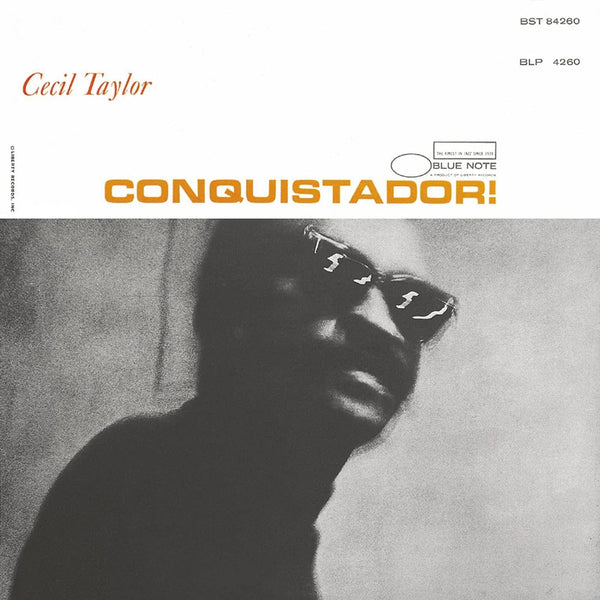
Cecil Taylor - Conquistador (1968)
Genres: Free Jazz
While getting through the works of Ahmed's catalog for the purpose of improving my knowledge in free jazz as well as adding to my 2025 and 2026 charts, I found that I was very close to putting together a proper top 100 avant-garde jazz list. I've got about 90 rated 80/100 or higher, so I decided to focus on some more free jazz since that seems to be a weak spot for me, even though I heard some of the rawest classics. I started with an album I was surprised to find I hadn't catalogued yet: Spiritual Unity by Albert Ayler, a pivotal album in free jazz's development. They say it takes multiple tries to "get." I hope so, because with the free jazz I've heard and liked, I didn't quite get this one. I remember when I first heard Ascension Edition I by Coltrane, and I thought I got it, having liked it a lot, but a second time taught me I didn't really "get" it; spin 2 showed me a whole new side of it, but maybe that's also the problem: in comparison to Ascension, Spiritual Unity feels primitive, and I liked other Ayler recordings I heard beforehand.
So since that wouldn't make my top 100, I decided to go for the next album I hadn't heard by an act I was familiar with: Cecil Taylor, namely the album Conquistador. Apparently, it's considered one of his giants. Interesting, since I've heard some Cecil but never really gave much thought to which was considered his #1 around the internet. All I know is, I like Cecil, both the more straightforward avant-garde side and the free jazz side. So this time around, I quite liked the free jazz, as I predicted. With the way that he keeps progressing the band into odd new territories with an almost religious kind of devotion to weirdness and mood, the first track alone felt much faster than the 18 minute runtime because it was just that fun. But while it was weird, it wasn't "out of reach." It certainly wasn't "accessible," but the band clearly wasn't being weird for weirdness's sake, and it certainly wasn't underdeveloped. This recording maintained a collective of various moods that all showed you just what weirdness can do for the back of your mind. There wasn't a single moment that wasn't even A LITTLE intriguing and enjoyable because of it. I could trust that the brass was gopnna keep pulling stunts that felt like they were bnits of soundtracks to weird art films from Europe, but I was more interested in what Cecil was doing with the piano, and how his unpredictability and masterful technique would back up the brass or vise-versa.
Maybe some instances are a bit long, and maybe it didn't elicit the strongest emotional responses, but it cure as hell got me mind going, which is exactly what you want from a genre built for the streaming community, critical autodidacts and experimental enthusiasts. It's not weird to be weird, it's weird for the sake of JAZZ. I'd say this is his second best of his free jazz outings, behind One Too Many Salty Swift.
86
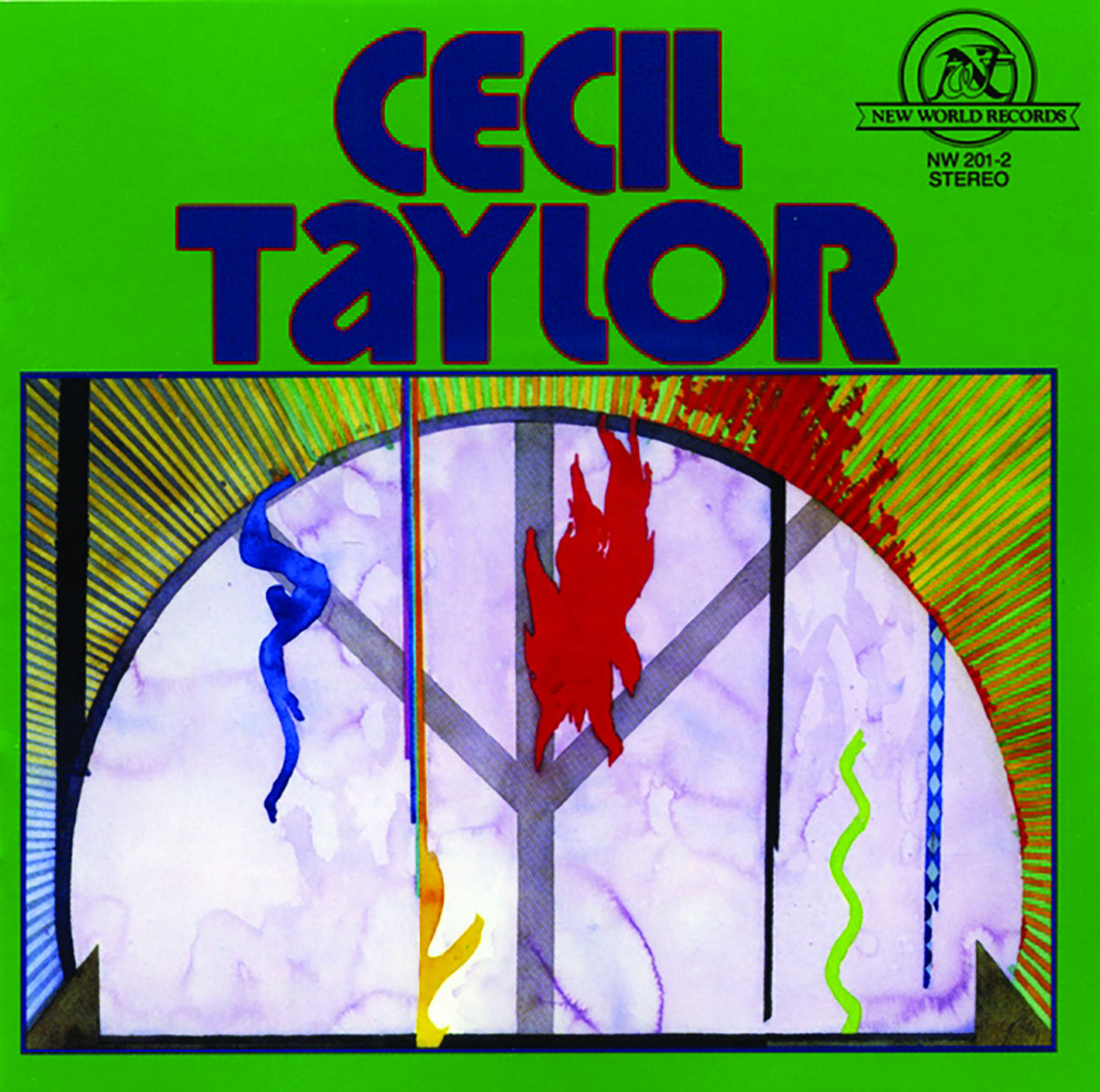
Cecil Taylor - The Cecil Taylor Unit (1978)
Genres: Free Jazz
Next up on my free jazz binge is the self-titled The Cecil Taylor Unit, an hour of more classical-infused surrealism hand delivered on a gold platter with a side plate of sample cheeses and wine. This album was the first of Cecil's attempts at bringing classicism to free jazz, and the most obvious effort in that vein. But this kind of sophistication isn't built on Mozart melodies and Beethoven drama. This is free jazz, and Cecil's band sets everything on FIRE.
Idut, track 1, is basically a shark's feeding frenzy of cheese and wine, proud and bombastic to whatever extreme they can achieve without breaking the surrealism. Track 2, Serdab, starts out much more quietly, but soon uses erratic violins and piano to create some very chilling atmospheres. But in these chills also comes a sense of wonder, one that looses none of the bombast of the previous track but rather sacrifices the loud tone for something more mellow. Even when the brass comes in, the build up tricks you out and loosens four minutes in. It goes into several places, recycling old sounds with new combinations, until we get to a gorgeous yet bizarre piano solo by Cecil himself. I'd say that this track was miles ahead of the Idut (no Miles David biopic ref intended). Now track 3 is the one that worried me. Holiday En Masque is a whopping 30 minutes long, so I was quite concerned with possible meandering. But the surprise is: it didn't meander as much as I thought, not until the last ten minutes or so. This was easily the most interesting of the three tracks. This was everywhere around whatever music spectrum the band could provide, and every step forward into another territory was built entyirely on natural progression and pacing. Maybe they stayed in a couple locations for just a little longer than necessary, but overall it was mysterious in all of its fury. It's probably even the best Cecil track I've heard so far.
SO even though the first track managed to be fun and interesting, each track upped the antes and delivered even more goods each time. This was exactly the kind of chaos one wants to experience with free jazz. Currently, this is the best Cecil Taylor album I've heard.
96

Miles Davis - "A Tribute to Jack Johnson" soundtrack (1971)
I picked up this soundtrack CD when I was going through an obsessive Miles phase during the late 1990's & it's stayed with me ever since. It's comprised of two lengthy pieces that are both very solid jazz fusion workouts & rarely varies in terms of groove & quality. If pushed, I'd probably take the more stripped back "Yesternow" over opener "Right Off" but there's not much between them. "In A Silent Way" is still my favourite music release of all time from any genre but I'm gonna suggest that "A Tribue to Jack Johnson" might be my third favourite Miles record these days behind "Kind of Blue", although it's not far in front of "Bitches Brew" & "Live-Evil". Miles was a fucking genius & so was guitarist John McLaughlin who I absolutely adore.
For fans of Weather Report, Mahavishnu Orchestra & Soft Machine.
4/5