
SilentScream213's Reviews


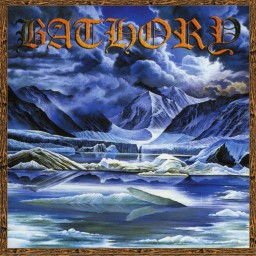
The first of Bathory’s Nordland duo, which closed out the band’s career. I believe it was supposed to be a saga of 4 before Quarthon tragically passed. At this point in the band’s career, Bathory has had some crazy highs and lows, so how does their penultimate effort pan out?
Of all Bathory’s previous albums, I would say Nordland I sounds closest to Blood on Ice. Unfortunately, that’s not a high compliment from me, as that album is one of my less-favored from the band’s catalogue. Blood Fire Death is fantastic in its dark, evil, and aggressively heavy take on the genre, melding Blackened Thrash with the epic atmospheres and thematics of what became Viking Metal. Hammerheart leaned full-on into the grand, epic atmospheres and passionate storytelling of the genre, and who could forgot the doomy masterpiece One Rode to Asa Bay?
Nordland I doesn’t do any of those things. It’s not dark, angry, or evil. It’s not very passionate nor does it have any masterpiece tracks. The whole thing is entirely reliant on epic descriptions of nature and adventure, although unfortunately it’s an adventure where very little happens aside from looking at the scenery. Now, that would be fine if the music matched up; layers of strings and folky flutes to accentuate the Nordic and mythological imagery of grand nature and high fantasy… but no. We get a very lo-fi, stripped back performance that would sound much more appropriate playing straight Black Metal. There are nature sounds and some Dungeon Synth-y type soundscapes, but unfortunately they are relegated to being placed between Metal tracks rather than accompanying them. The sound and thematics just don’t align, and the music by itself is not very evocative of anything really.
The album does pick up near the end. “Great Hall Awaits a Fallen Brother” is a more captivating track as it mixes Power Metal and Epic Doom influence into the Viking sound and details the tragic loss of a brother in arms. The music and themes come together nicely on this one, a mix of courage, valor and grief captured well by the surprising mix of genres. “Mother Earth Father Thunder” is once again displaying the band’s doomier side and delivering a heavy, triumphant closer (aside from the outro “Heimfard,” which is a decent mix of Dungeon Synth and nature sounds).
The album seems to be well-received by fans, but I was hoping for more in the ways of instrumentation and songwriting. I do hope Nordland II can reach a bit closer to Bathory’s incredible potential and serve as an appropriate send off to one of the most influential bands in all of Extreme Metal.

Lemme say two things right off the bat. First of all, I'm not a huge fan of Stoner Metal. Honestly, I'm not much into any of the styles here. Psychedelic stuff is usually far too lethargic and impersonal, sacrificing any and all emotion and feeling for spacey and drugged out atmosphere. Secondly, I've not really enjoyed any of Boris's albums prior to this one. It should go without saying I didn't expect to love this one.
And, well, I don't love it... but I DO like it, quite a bit at that. Boris force some enjoyable energy into their mish-mash of Psychedelic Metal that makes it far more tolerable than most of the lazy Marijuana-fueled stuff out there. They Jam-pack so many different influences into the songs that despite being tied together by Stoner Metal, they each offer something a bit different, and maintain an identity separate from each other.
Boris also use noise and feedback, more techniques I generally don't enjoy, to great effect here. The songs are dense as hell with guitar fuzz, amp screams, and all kinds of digital chaos. The most important part - it works! Maybe they just got lucky, but the noisier stuff here sounds well composed, fitting into the songs with purpose rather than randomly placed. I found myself enjoying the piercing, fuzzy density of the songs rather than recoiling, the auditorial assault working so well because the band still maintains a sound of normal, actual music most of the time and never lose their way from a conventionally composed song even when getting filthy.
Another thing I typically don't enjoy is fun and happiness in my Metal (another minus against Stoner stuff) but Boris pull it off here flawlessly. I thoroughly enjoy listening to the band jam out, and the impassioned vocals full of raw vitality tie it all together.
Shout out to the magnificent instrumental Rattlesnake, and shout out to Boris for taking all the ingredients I typically dislike in Metal and cooking up an album I actually enjoy with them.
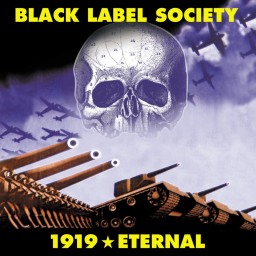
A slightly heavier direction than the last albums, this one features crushing, rhythmic guitars and vocals on the gruffer side of things. Lyrics are also slightly more serious, with a few numbers about war and sombre introspection. The southern Rock tracks here are actually the best, as they force the band to craft some decent melodies and vocal lines when they can’t rely on Stoner-tinged riff and Groove chugging.
Aside from those points, it’s another Black Label Society album. Very, very Southern Metal. Passable riffs, boring drumming, mostly shallow lyrics, and a good backdrop to the type of company I would never enjoy.
Credit to “Battering Ram,” for being their heaviest and most aggressive track so far (and featuring the best riffs and drumming on the album) and to “Bridge to Cross,” for displaying the emotion and contemplation that is so scarce in this genre. Those two highlights definitely make the album worth it among the genre.
Most of the rest is unmemorable filler, a la Black Label Society’s usual fare. Decent album, fun, but lacking depth or staying power, and too long for what it offers.
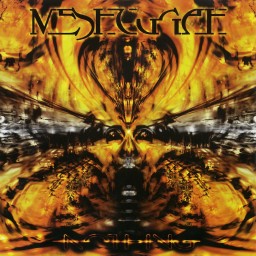
Mind-numbing. No, I don’t mean in a good way. I mean, by the end of the first track, I had taken just about all I could take of one-note soulless polyrhythmic chugging, and then preceded to suffer through 9 more tracks of the exact same thing with no variation. So repetitive is this album that when the atonal guitar noodling that would be terrible in any other context came up in track 3, I was actually excited because it was SOMETHING different. The little atmospheric reprieve near the end of the 4th track wasn’t anything special, but it was such a welcome break from the mechanical assault that my brain was tricked into enjoying it.
I actually like the guy’s harsh vocal sound, but the issue is… again… there’s absolutely no variation. It sounds like he’s trying as hard as possible to maintain one single tone, one note, one delivery… yeah, it certainly fits the music, and I get that’s what they’re going for. But just as with the rest of the music, I was sick of it after one track. Nine more aren’t going to convince me (or 8 since the last track is an instrumental).
Maybe there’s some grand meaning in those lyrics somewhere. I have no idea. This are some of the most pretentious, abstract lyricism since Tool. “Organic Shadows” has some neat lyrics about becoming mechanical, but most this is ‘I’m too smart for you’ cryptic existentialism.
“Spasm” is the most unique sounding song, and by default the best. It’s the only song to feature a different vocal approach, as well as *gasp* lead guitar work. Yeah, when you add guitar leads that actually hit notes and craft melodies over top the mechanical polyrhythmic chugging, said chugging actually becomes listenable. When used as a backdrop for other music, Djenty chugging is fine. The issue with Meshuggah is they make the Djenty chugging the focus – in fact, it’s usually the ONLY thing going on in most of the songs.
To say something respectful, they WERE doing something different and unique, that is undeniable. But I think giving something credit for being unique is overrated. The only thing that matters to me is if music sounds good – this is a hard pass.
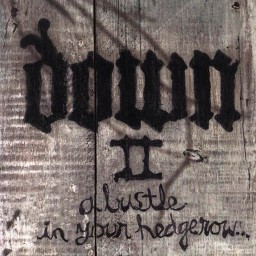
I wasn’t a massive fan of Down’s first album, so the way this one leaves me feeling lukewarm is unsurprising. Down lean towards the sludgier, fuzzier side of Southern Metal, yet maintain the lighthearted Stoner-oriented songwriting, meaning the songs are thick with dense guitars. Groovy rhythms and Stoner riffs are the backbone of the album, of course fronted by Phil Anselmo’s signature tough guy grunt.
Musically, the songs are really groovy and a lot of the riffs are happy-sounding. This clashes with Phil’s pessimistic, self-destructive lyrics and his aggressive delivery. Most of the lyrics here would sound appropriate leading a more dismal Sludge album about drug addiction, but instead they’re placed over some chill drugged out Stoner riffs that just take all seriousness away from the subject matter.
Thanks to this dichotomy, there’s very little in the way of emotion or passion that comes through on these songs, as the music just sounds very fun and unserious. I mean, hand claps on track 4? Ugh.
This is fun, emotionless, unserious Metal for people who wanna chill with some fuzzy grooves. That ain’t me. “Learn From This Mistake” and “New Orleans Is a Dying Whore” are the best songs here because they manage to be more serious, dark and somber. Although the former song is not a Metal track at all but more of a Blues number.
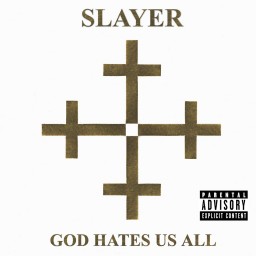
Probably the angriest album ever recorded. Definitely Slayer’s most vulgar, as well as their poorest lyrically, with way too many songs dedicated to “Fxck you, I’m gonna fxck you up, you better get the fxck out of my way.” It’s probably my least favorite Slayer record aside from their covers album for that reason. Although, another important reason would be how rhythmic it is; the band’s clearest foray into Groove Metal, and their most uninspired riffs go hand in hand with their most generically juvenile lyricism. I don’t hear the Nu Metal seasoning that many others seem to claim, but it’s definitely got a stain of “Modern Metal” on it. Many of the songs here don’t have any super iconic riffs, which is an absolute sin for any Thrash band. Even Diabolus, which I find much more underrated, did much better at crafting dark moods at the least, even if some of the riffs were similarly lacking a bit. Tom’s got a bit more production layered on his vocals here too, which in my opinion he doesn’t need and they just make him sound worse.
Why the high rating then? Cause at the end of the day, it’s still fxcking Slayer, the best fxcking Thrash band on the fxcking planet. “Disciple” is probably the angriest, most misanthropic anthem ever recorded, Araya going above and beyond delivering an intense vocal performance that is simply awe-inspiring in its aggression. “Deviance” is one of the bands most ominous and unique sounding songs ever, with a slight Gothic edge and unnerving double-tracked vocals delivering deeply disturbing lyrics. “Here Comes the Pain” is a slow build packed with power, whereas “Payback” has all the intensity and hate of aforementioned “Disciple,” all directed at a single person.
It's definitely got the most filler of any Slayer album, but even then the songs are still great. “Cast Down” fails to deliver any truly memorable riffs, but it’s incredibly unique in having one of the most somber and “real” themes in Slayer’s discography about the struggles and despair of drug addiction. “Bloodline” similarly lacks much musical punch, but is one of their catchier numbers, as “radio friendly” as this band got with a simple music structure, a focus on the chorus, and lyrics about vampires (which just barely precede the boom of vampirism in pop culture.)
So sure, it’s one of Slayer’s worst albums, but it’s also still Slayer fxcking shxt up like they always have, it pumps me up and melts my skin off, it’s got more intensity in it than most bands have in their entire career, and there is no better album to reach for if you just need pure, unfiltered rage.
Oh yeah, and it was released in 9/11, so that’s just one extra “fxck you” that comes with the package.
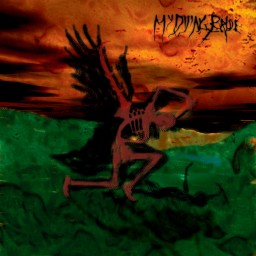
My Dying Bride have had many twists and turns in their discography, but despite that, have always remained connected to the Gothic Doom sound, and have also been quite consistent in their career. They’ve got multiple albums that are viable picks for the band’s best, and while I personally wouldn’t pick The Dreadful Hours as my favorite MDB record, I would say it’s the best representation of the band and their career out of all their releases.
After having experienced old school Doom Death, true Death Doom, Gothic Doom, and even some experimentation with Alternative Metal influences in the 90’s, the turn of the century sees the band settle very solidly on their apex Gothic Death Doom style. Every song here is long, dreadful, and contains many varying passages and intricate song structures. While the style is consistent, the variety within said style is quite nice, with funereal plodding dirges, energetic belays of tormented grief, and softer atmospheric moments of quietude. The album is riff-oriented, but has a great amount of soundscapes layered beneath the classic metal ensemble, from strings and synths to choral arrangements.
The songwriting is the most impressive aspect here to me. The songs progress seamlessly between different sections, and seem to know exactly when to throw in a burst of energy, or a quite reprieve of peace. I think the band have written better riffs and melodies, but the song structures here are probably the best of their career. It says something when you can manage most songs exceeding 8 minutes and none of them have any boring parts.
The only weakness here is that the songs have a distinct lack of hooks, particularly in the realm of lead guitar or vocal melodies. With one or the other, the songs would have been elevated and much more memorable on their own, but Aaron sticks to an (appropriate, but admittedly samey) monotonous croon and the guitars stay mostly at the bottom two strings rather than layering some identifiable melodies over the riffs.
Quite a fantastic record that serves as an iconic template for Doom in the new millennium and a perfect profile of My Dying Bride’s long career.
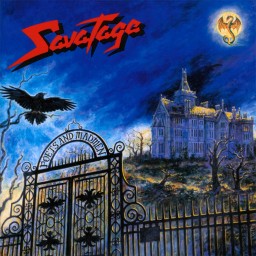
Poets and Madmen is Savatage’s swansong and in my opinion, their most underrated work. Jon Oliva returns for sole vocal duties on this album, and I personally am thrilled. As great as Zak is, Jon is simply my preference due to his much rawer, aggressive yet passionate delivery. The album is still a concept album in line with their recent works, but a bit looser and less… pompous, let’s say. It sounds like a good old fashioned Heavy Metal record.
The compositions here are undoubtedly among the best of the band’s career. There are riffs for days – both on guitar and keys, and no shortage of memorable vocal lines either. The songs are quite progressive in nature, shifting tempos often and packing each track with a great selection of riffs and rhythms.
More striking than that though is the emotion. There’s anger, pain, melancholia, and a bit less hope than most Savatage records. This one stays pretty strictly in pessimistic, almost apocalyptic territory, lamenting the state of the world both globally and personally. It culminates in closing track Back to a Reason, which is in my opinion the finest song the band ever wrote, evoking intense emotional passion and desperation across 6 minutes of melodramatic progressive epic.
It’s not as flashy as the Zach era and it’s much more somber than their earlier works, but it’s a magnificently written album that closes out their discography perfectly. Also, classic Heavy Metal this good in the year 2001 was extremely hard to come by; Savatage sticking to their roots and dropping this was a great move and gave future bands a worthy template for the new millennium of Heavy Metal.
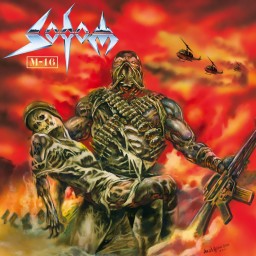
Considered Sodom’s modern masterpiece and arguably one of the pinnacles of modern Thrash (as long as modern still means anything after the 90’s). M-16 is one of Sodom’s most unique albums in that it’s a concept album about the Vietnamese War. It doesn’t exactly follow a distinct storyline, but each song touches on different aspects of the war.
Another way this album is unique is in how it has a surprising amount of restraint. Sodom have always been one of the heaviest Thrash bands, commonly flirting with extreme influences like Black and Death Metal, and even when not, delivering some of the most aggressive, bone-shredding Thrash out there. M-16 is surprisingly tame for the band’s standards. While the vocals remain just as aggressive, the guitars and drums are heavily tempered in their aggression, in fact often settling for a style akin to more traditional Heavy Metal when they aren’t delivering classic Thrash. This seems to have made the album more accessible to a wider audience, as the most popular songs here are the least thrashy (Napalm in the Morning and M-16).
However, what does that mean for a hardcore fan? While I do find this album fantastic, I certainly don’t rank it among the band’s best. Slowing down and playing more accessibly is the last thing I want from Sodom. Songs like the masterpiece “Canon Fodder” prove the band is as capable as ever at writing and delivering their signature style of no-holds-barred extreme Thrash, but I’d much rather have a whole album of that then the flirtations with slower, softer styles found here.
And they end the album in the absolute worst way possible, with a terrible, goofy, Crossover Thrash cover of a terrible, goofy song.
The concept elevates the album a little bit and the playing and songwriting is as good as ever. But the style shift is not what I expect or prefer from these guys. It’s an amazing album in the grand scheme of things, but among the discography of one of the titans of Thrash, I find it just average.
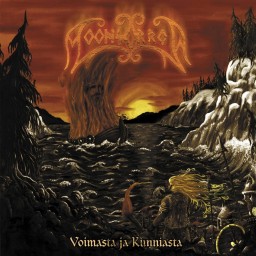
Moonsorrow was a band I had extremely high hopes for after hearing their “Tämä Ikuinen Talvi” demo. The word “demo” does a terrible disservice to this release because not only is it long enough to be a full length album, it’s also so well written, played, and composed that it could be a band at the top of their career. The production isn’t bad either!
By their sophomore album, Moonsorrow had improved in many areas. The production, of course, was at a polished, professional level, and the mix sounds perfect here. The dense yet restrained orchestration is fantastic, the layering of numerous folk elements adds intrigue and aesthetic. The playing is of course more precise. The progression of songs also feels very strong, often featuring well-earned rests and crescendos.
The issue is, in my opinion, they regressed in terms of capturing mood. Or perhaps, it’s better to say, they moved away from the kind of mood I personally prefer. While their demo had a darker, more somber feel (as a band called Moonsorrow should) they had since gone towards the direction of more epic, uplifting, and unfortunately jovial sounding tracks. At the worst of times, the instruments and melodies can sound silly even.
I mean, the 3rd track “Kylän Päässä” prominently features boing boing noises, sounding like a goofy cartoon medieval villain’s theme song.
“Hiidenpelto” is where they get back into the territory I like. That is, dark! Sorrowful! Yet still retaining that incredibly epic, folky feel of grand medieval adventure. This is what I had hoped they would evolve into. The song has a fantastic mix of slower, doomy sections and aggressive energy, and features an instrumental outro with a build up and crescendo that is just sublime. Probably the best song the band has ever wrote.
And then the next song opens up with more boing boing noises. Despite how well written and layered this music is, there’s the simple fact that I just cannot take some of this stuff seriously. Aside from the egregious “instrument” choices, there are melodies here and there that just sound too… playful. Not what I want from a band called “Moonsorrow.”
That’s not to say the album isn’t great, because it is. There are only so many points you can lose when music is this perfectly executed. The sheer force of these tracks is awe-inspiring, the way they totally encompass you in their atmosphere and take you to another time and place. Undeniably amazing album. I just wish they kept their darker sound… in which case, this could have been a masterpiece.
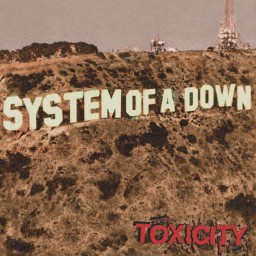
One of my first albums. I grew up with this thing, it was part of my formative years in middle into high school. Most of the songs evoke memories of bus rides, of seeing the same friend group every day, of walking around town with nothing to do. Actually, Toxicity was one of the albums my friends and I could agree upon; I was pretty strictly into 80’s and 90’s Metal at the time, whereas they were much more Deathcore modern scene kids, but Toxicity, we could agree, was awesome.
That’s not to say I am blinded by nostalgia; in fact, I will go on record to say this album is vastly overrated. One of the main reasons being its inconsistency. It’s got some amazing highlights that even people without a clue or care about this band can enjoy (Chop Suey!, Aerials). The title track has some of the most iconic drumming in the history of music. But it’s got just as many tracks that fall into… “filler” seems a bit too harsh, because every track is very unique and memorable, but just… not as good territory? They aren’t nearly bad songs, but I don’t have much desire to revisit “Prison Song” or “Jet Pilot” again.
The songwriting on this album is really interesting. Could never say for a second that a single moment of this album is boring. And each song is absolutely bursting with character. The amount of personality oozing from each band member is cartoonlike in its audacity. Yet at the same time, some of the compositional choices are just odd. I mean, purposefully so, but that doesn’t make them good. Some of the jerky or disjointed start-stop tactics or odd mood shifts sound “quirky for the sake of being quirky” and at worst pull me from the enjoyment of a song. The aforementioned “Prison Song” as well as “Needles” are guilty of this, with their calmer, catchier sections really not meshing well with the heavier ones. “ATWA” on the other hand, averts this magnificently, but there’s a reason; the song stays consistent in mood, detailing the thoughts of a paranoid maniac tormented by their own thoughts, and so the somber, softer sections exploding into heavy dissonance make sense thematically and compliment each other perfectly.
SoaD was super influential as a band, and this was far and away their most influential and iconic album. History has also been very kind to it, whereas there was a time when “trve” or “kvlt” metalheads disavowed it, it’s almost universally beloved now. Too much so, in my opinion. An album as quirky and inconsistent as this seems out of place holding accolades such as… I dunno, anywhere near the top 10 Metal albums of all time? It’s a great album, but this is one I’d rather reach for the highlights and not play the whole thing front to back for another 10 years.
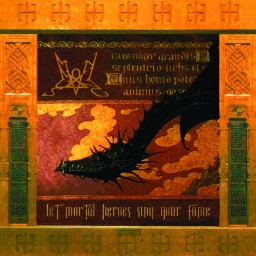
I started listening to this album right when the Oblivion remaster dropped, and let me tell you, there could not be a better match. On this album, Summoning combine the cheesy, medieval Dungeon Synth reminiscent of games like Runescape with their signature Atmoblack guitar compositions. Vocals shift between classic Black shrieks and epic sounding samples.
Listening to this wonderfully evocative album as I return to the familiar world of Cyrodill was a seamless union. The martial drums beating as I slaughtered adversaries in the arena, the lush and affectionately dated synths adding to the intrigue of discovering ruins, the overall majesty of fantasy of both pieces of media melding into a perfect combination.
The layering of this album is the real treat. Most of the instruments – both synthed and real – are playing simple and repetitive chords or melodies. Nothing too impressive on their own. But weaved in between the synthed horns, guitars, and drums, are a plethora of other synthed instruments, resembling anything from old medieval instruments to more modern electronic sounds. There’s a lot going on and it justifies the simplicity.
What I will say though, is that it makes a better soundtrack than it does a focused listen. One big weakness is that while the album succeeds immensely at evoking a medieval, fantastic atmosphere, it doesn’t evoke any emotion at all. It’s not sad, it’s not happy, it’s not angry or evil. And thus it works well as background music, but loses a bit as a unique piece of work due to its lack of mood. Throwing in an angry or melancholic track here and there would make it flow more like a movie rather than a static backdrop to a castle. It’s also exceedingly repetitive and low-tempo most of the time, which can get a bit tiring. The previous album did a better job of incorporating a bit more… Metal.
Still though, wow. It succeeds at doing exactly what it wants to do. All fantasy all the time. Definitely worth a listen for anyone remotely interested in the aesthetic, and my personal recommendation as a makeshift soundtrack to any fantasy game.
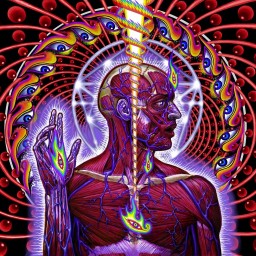
Tool is a band I’m not particularly fond of. There is the fact that everyone seems to love them – including non-Metalheads and people not normally interested in progressive brain music or however you want to say. It’s odd to me, how many times I’ve met someone who doesn’t like heavier music, “but I like Tool.” Especially considering they aren’t exactly… accessible. They top charts across multiple websites, Metal-centric and not. They get radio play, yet at the same time have a fanbase of some of the most esoteric music aficionados on the planet. They are a weird enigma, and I suppose that suits them…
My gripes with their status aside, none of that affects my own personal thoughts on the music. And for this album, Lateralus, the music is… Good. It’s quite good. Many of the tracks are actually really great. “Schism” is the hit, and for good reason; it combines every strength the band has into one elaborate track. Quiter, contemplative sections lead by odd-time rhythms explode into heavier crescendos; passionate, allegorical lyricism delivered in a fit of desperation sets a scene and mood that strikes too close to reality; and it’s all tied together by one of the most iconic music videos of all time (which normally don’t interest me, but this one… is an exception). “Ticks and Leeches is a personal favorite of mine, showcasing the band’s more aggressive and angry side, and having some of their best riffs (Tool isn’t really a riff-oriented band, so hearing them do it well here is a treat).
At the end of the day though, the album still suffers from the biggest problem all their albums have; it’s bloated, overlong, and has vast boring sections. Lateralus is, without a doubt in my mind, their best album - the highs are mountainous, and the filler space is a bit better at crafting some contemplative atmosphere than most of their output. But still, the album as a whole to me is… just quite good. Not great. Would never be anywhere near the top of my all-time list, my 2001 list, my Prog Metal list… and again, this is coming from a metalhead, who loves Prog Metal. I will give accolades to this album where they are deserved, but I will never understand the world’s obsession and adoration for this band.
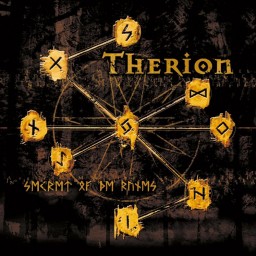
After having found their style on Theli, Therion have not only maintained their key Symphonic Metal style, but continued moving towards making their composition grander and more operatic. Almost every song here is led by choral vocals from multiple vocalists, layered in a way to deliver power and grandeur. Symphonic elements actually aren’t as prevalent as one might expect, providing more of a backdrop of smooth layers while the choral vocals take front and center stage.
While the compositions have become more dense and epic, in my opinion, the core Metal instrumentation (Guitar, drums, and bass) have suffered a bit. There are some nice guitar leads that sound Gothic influenced, and decent riffs here and there, but overall the album relies a bit much on the choral vocals. Another problem there being… it just sounds a bit too happy? Or uplifting, I guess. Yeah, there are darker parts to the music and lyrical themes, but choral vocals are layered in a way where they sound more religious than dark or ominous. Just doesn’t work for me too well.
The concept of the album revolves around the nine realms of Norse mythology, and each song has a significant identity due to this, as both lyrically and musically the compositions work well to embody the different chapters and landscapes. Anyone interested in said mythology or concept albums in general should appreciate the work there.
At this point in their career, Therion have an undeniable level of quality that goes into every song. For me personally, I’m simply not in favor of the direction they’re going, completely abandoning their dark extreme Metal roots in favor of more lighthearted, uplifting, vocal-driven compositions.
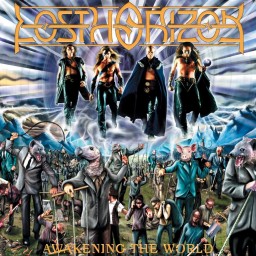
The debut album from Sweden’s Lost Horizon sounds more like an experienced band at the peak of their career. How they managed to compose and record something with such astute quality right off the bat is a mystery to me.
Many people have lauded the album for being one of the MOST Power Metal albums ever recorded. Indeed, Lost Horizon go above and beyond in every aspect of their delivery. The guitars are wild, speedy and neoclassical, melding aggressive riffing with fantastically melodic leads and solos. The drumming is ever changing and technical, taking a lot of progressive influence and incorporating it into classic, thunderous Power Metal blasts and gallops. The bass is surprisingly excellent and audible, grooving up and down the fretboard like a third lead guitar to add another layer of melody and progression. And then of course there are the vocals; an over the top, melodramatic call to arms filled with just as much power and force as they are with melody. The only thing missing are dedicated keys… but the four piece are so strong that they make you forget that more often than not.
The meat of the album is the perfect mix of what makes Power Metal good, and many of the songs have no flaws to speak of. Exceptionally well-written, expertly performed, memorable, strong, catchy, pummeling, triumphant… the list of what this band does right goes on and on.
I have to come to one of my pet peeves though. Useless interludes. The album has three of them. And at ten tracks and 44 minutes, 3 of those tracks and 4 minutes of the runtime being interludes hurts. While one is a decent New Age piece, the other two are really bad Ambient Drone tracks. Just, why? Why do bands do this? Lost points there.
It lives up to the legends, otherwise. A phenomenal piece of work., and amazing debut album.
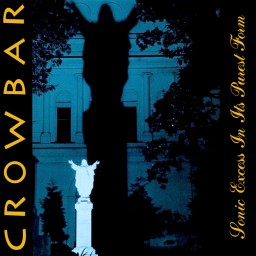
“Sonic Excess in Its Purest Form” is probably the most accurate album-title-description of the music therein that I’ve ever come across. Crowbar has done exceptionally well continuing to play old school Sludge and keep it top quality without changing their sound much with the times, and this album is just more of that. Plenty of Doom influence, some occasional seasonings of Groove and Metalcore, but otherwise pure, old school Sludge.
This is an ugly and dense slab of audio, focusing on themes of drug abuse and addiction, depression, self-hatred, all the classic Sludge Metal fair. There are bursts of manic energy which add great dynamics to the album, but much of this Sludge is slow and doomy. It sounds like getting buried under fresh concrete. Most of the music is simple enough, relying on the sheer heaviness to deliver, but the guitar has some really great riffs and leads that make the songs quite memorable for the genre.
My favorite part of this are Kirk’s desperate, dirty vocals. They’re absolutely perfect for this style, and I’d rank him among my favorite harsh vocalists. There’s so much emotion in his wretched snarl, and he holds notes despite growling like a cornered animal. The lyrics combine with the vocal performance to flawlessly deliver the pleading cries of someone who’s been down too long and is partly to blame for their own misery.
It's not perfect, though. The songs that lean more into Groove or Metalcore territory, that is being more rhythmic instead of moody or melodic, are weaker. When the band focuses more on just being heavy and chuggy, it gets a bit… boring. Unfortunately, that’s slightly under half the tracks. I would say the highs here are the band at their best, at least up to this point, but as a full album, it’s not the masterpiece it’s made out to be. Earlier releases such as Time Heals Nothing and the Self-Titled album are more consistent quality-wise. Still, one of the best examples of Sludge Metal you’re going to find.
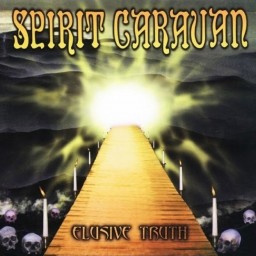
Spirit Caravan dropped two albums before disappearing into the smoke, and both are considered quite respectable pieces of Stoner Metal (some call them Doom Metal, but there is no Doom Metal here). As with their debut, Elusive Truth doesn’t set out to reinvent or even add anything new to the genre, instead carrying on the tried-and-true formula spawned by Sabbath back in ’71.
The problem is, that sound was boring in ’71, and it’s still boring 30 years later in 2001. As far as Metal goes, Stoner Metal is one of the laziest and most passive genres, and “Elusive Truth” is a perfectly average example of the genre. Unremarkable vocals, riffs that evoke nothing, and drumming that is simple and monotonous. Who knows if the bass is even there.
Positives? Well, it’s still a decent album. If you just wanna throw on some groovy Metal, it gets the job done. There’s no emotion to it whatsoever, so you don’t have to worry about it affecting your mood. Could work well with an open window drive on a muggy summer night. It’s never offensively boring or anything, I have more of a problem with people claiming this to be some holy grail than I do with the actual album (which is average).
Again I should reiterate the album is fine enough. If you LOVE Stoner Metal, this should be more than good enough for you. For me though, Spirit Caravan are simply a band I would have lost absolutely nothing had I never heard them.
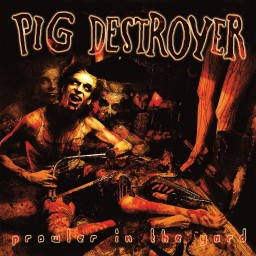
Pig Destroyer proceeded to copulate with their instruments like objects of hate and affection. The sounds were ugly and unique and fascinating. Blood flowed freely as flesh scraped against splintered wood and metal wire. It was an awful sight. It was the sight of a crimson sunset staining the erect towers of concrete tombs. It was the sound of waves scraping away sand from the body of a beach. It was the taste of metal, red metal, innocent red metal, at least it was until about 5 seconds ago before it came flowing out. It was so horrible that it turned inward on itself until its innards were borne, a beautiful garden of twisted flesh and bone. The sounds were satisfying and fulfilling and gratifying. What a beautiful city. Where is this beach where girls in bikinis write their names in the sand. Their lives extinguished before the waves can even wash away the letters. But then, they never have to see the day they stop being beautiful. Or were they never.
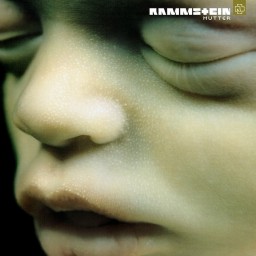
A surprisingly Gothic affair from the kings of Neue Deutsche Harte. While retaining the rhythmic four on floor patterns and simple anthemic structures, Rammstein integrate Gothic and epic atmospheres into their songs. The extra layers add more power, but also a smoothness that the expert production does a great job of layering. The atmospheric depth definitely help alleviate the weakness of how repetitive the songs and structures are in this style of music. Till’s vocals fit quite well with the Gothic sound as well, the natural gruffness sounding right at home.
There is a weakness the new style brings though. The glaring issue are that Rammstein are not an emotional or moody band. Gothic Metal excels at evoking emotion, but when the band isn’t doing that, the genre sounds rather hollow. The result here is Gothic-esque atmospherics being added, without any of the mood or emotion. So, it’s a nice smooth layer of music, but nothing else.
As with their previous albums, Rammstein kind of rely on the listeners enjoying rhythm and danceable tunes. They do a great job of creating simple yet dense songs with tons of finely tuned details under the beats. Yet, the instruments in the forefront, that being the guitars and drums, don’t do much. The riffs and leads are quite boring, and the drumming is basic and repetitive. The vocals are neat, but limited, having decent power, but not crafting any memorable melodies.
Good quality album for fans of this sound. But it has more flaws than an album of such reputation should.
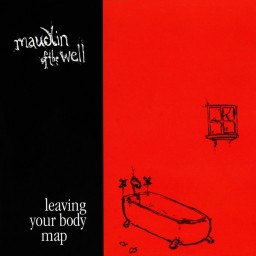
It must be clarified outright that I’m typically not a fan of Avant-Garde Metal or Experimental music in general. Avant-Garde Metal usually falls into one of two horrible tropes: the first being that Avant-Garde Metal musicians seem to think that Avant-Garde means it’s not allowed to sound auditorily pleasant, as in the music must be dissonant, chaotic, or abrasive in order to qualify as Avant-Garde. The second is Circus Metal.
Leaving Your Body Map is an offender of the first trope. And to a degree, it is both forgivable and understandable; the album is a very dark and surreal experience. It prominently features Doom influence in the sound, and while lyrically very cryptic, there are hints of themes that range from ethereal and innocent to depressing and traumatic. To that extent, dissonance and chaos are not only appropriate but welcome, and help to evoke certain aesthetics and themes that the lyrics prefer to keep concealed behind a layer of mystery and allegory.
The issue is that there’s just not that much to hold on to, or even enjoy at times. Sure, lumbering, dissonant guitar chords with some off-tempo jazz and a flute thrown in for god knows what reason can appropriately convey a certain sense of anxiety or breakdown, and it can even be interesting, novel, and atmospheric, but is it enjoyable? Well, for me, the answer is not always, not if there’s too much of it. I need melody, harmony, and order to balance the dissonance and chaos in order for it to work successfully.
Maudlin of the well, to their credit, do include a fair amount of more melodic material (mostly prevalent in their acoustic interludes), and a great variety of eclecticism in general. The issue there is that, well, the melodies just aren’t that strong. Everything from the vocal lines to the instrument leads fail to carry memorable melodies.
Let’s talk about a positive though, an area in which this album absolutely excels: evoking the dreamlike aesthetic of the surreal. It’s not just the weird cryptic lyricism, sound effects and liminal album art that convey this. Everything about the song structures, from the production and density to the composition style. Often, songs will throw in instrumental pieces or vocal lines that are not clearly audible, being kind of muffled behind the primary wall of sound, that evoke how difficult it can be to properly “perceive” things in the haze of a dream. Another aspect is how the songs will simply do things that don’t make sense; not just the dissonance, but the way individual instruments will play their own piece seemingly ignorant of the others, out of key, out of time, yet bound together just enough to remain musically cohesive. Much as our brain struggles to make sense of the nonsensical nature of dreams, yet tolerating it for our own sanity.
It should also be noted that every range of dream is covered here: the ethereal, the calm, the nonsensical, the nightmares, the longing, the traumatic. The range from full-on pummeling Death Doom to peaceful Chamber Folk is quite a feat.
I really appreciate this album, and am incredibly fascinated by it. I think it’s a bit of a marvel of musical composition and ideas. But, it’s not always pleasant to listen to. And not in the good way, like a really depressing Doom album that I only want to hear to achieve such a melancholic mood. I mean it just straight up doesn’t sound good at times. There is such a thing as too weird, and too many Avant-Garde artists are guilty of catering to that need to be weird over the need to write a good song. Maudlin of the well are nowhere near as guilty as most Avant-Garde artists in that respect, but still enough so that the listening experience of their music is damaged when some slightly more conventional directions could have resulted in a masterpiece.
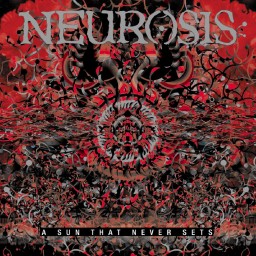
A Sun That Never Sets is a relatively subdued album by Neurosis standards. Not only is it quite slow and doomy, but it also has many sections of very restrained instrumentation where the guitars become quiet. Post-Rock and Neofolk are woven between the grander Atmosludge sections, fostering a more minimal sound. Of course the miserable industrial atmosphere remains, but it is one of the “calmer” Neurosis albums, if you can say that.
Most Neurosis albums have a bit of a theme running through them, and this one has constant ties to nature and the sun (this being the second Neurosis album named after center of the solar system). Although they are rather cryptic, there’s a constant feeling of epic grandeur set to the beautiful planet burning to the ground. Mythological apocalypse style.
On this album yet again, Neurosis fall into the same problem I’ve had with all their albums (Except Souls at Zero which was a masterpiece). They craft some really incredible moments, such as the bagpipe-backed crescendos in “From The Hill,” but the issue is they take forever getting there. The band will mull around with some boring, lethargic riff that doesn’t do anything for minutes before they get to anything good. And some of the songs don’t even have a nice payoff. The album ends up feeling very bloated.
At this point in their career, the band are pros at layering dense atmosphere of industrial sludgy madness, and in that area they never fail. The song are rich and mixed well, with many atmospheric effects only revealing themselves after many listens. This adds a great relisten-ability factor, and helps detract from the, at times, boring simplicity of the main instrumentation.
Still though, most of these songs could have been cut in half, or simply need way better riffs or melodies to succeed. A solid release, but its own meandering holds it back.
Yeah, they open up the album with blast beat skronking. I already know how this is gonna go…
Or so I thought. Now don’t get me wrong, this still isn’t my preferred flavor of Dissodeath, but there’s a big difference between this and the previous Obscura, that difference being that this sounds like actual music.
While there’s no shortage of annoying skreeonk angular guitar riffs, there are also some “normal” sounding Tech Death riffs thrown in that are quite good. The songs have slightly more natural progression, sounding like composed works rather than 10 second segments of random chaos cut and spliced together. The drumming is more controlled, doing more to serve the music rather than be as wild and chaotic as possible. And lastly, the vocals are a bit deeper, stronger, and better enunciated, a massive boon after the high-pitched bellowing of Obscura pushed my tolerance to its limit.
I was very pleasantly surprised to find Gorguts take a few steps back and head towards a more normal direction on this album. While this still isn’t that good to me, the massive improvement from Obscura could definitely lead to something great down the road if they continue honing this style rather than chasing the next weirdest thing.
Unforgivable vocals ruin this. Look, I love extreme vocals. I love death growls, I like Black Metal shrieks, I love Thrash yells, all that good jaunt. And even classically “bad” vocals don’t bother me much. I’ve got a pretty high tolerance for that stuff as someone who listens to more than a handful of Metal bands where one of the musicians basically bit the bullet and did the vocals despite not being able to sing at all. I mean hell, I even enjoy J-Pop/Denpa/Idol music where the singers can’t actually sing at all and rely on autotune and their cute aesthetic to get by. Really, it usually doesn’t bother me.
The abrasiveness of these vocals goes beyond offensively bad, into essentially unlistenable, to the point the music around it suffers immensely. There’s some sort of distortion/static effect on most of them which makes them even worse. The crazy thing? The vocalist employs more than one technique, and they suck at ALL of them. The shrill screams are terrible, the punky yelling is terrible, the sassy vocals are terrible, the “singing” if you can call it that is poor, the only thing passable the vocalist does is the monotonous droning style used on “Phoenix in Flight.” Which still isn’t good, but it’s inoffensive.
I originally wanted to read the lyrics along while listening to see what it was about. Gave up halfway into the first song as the vocalist does not even make the most basic attempt to enunciate a single word. Right from the first line, you are immediately lost, as the noises the vocalist screams don’t sound like even one word in the verse. I will never know whether they are good or not because the vocalist put zero effort into delivering them.
Oh, the music? Maybe I’d have more to say about it if I wasn’t distracted by how awful the vocals are the whole time. It’s competently played and written, even above average for the genres employed most of the time. There are some genuinely great moments scattered about, usually when the band leans more into crafting riffs and chord progressions as opposed to being as mathy and chaotic as possible. “Heaven in Her Arms” has some awesome riffs and chords that walk the fine line between melodic and dissonant, aforementioned “Phoenix in Flight” has nice doomy atmosphere, and the Post-Metal style buildup of the closer is pretty great. The drumming is consistently excellent, and probably the one aspect of it I have nothing but praise for. Not only technically impressive and complex, but also packed with variety, and simpler sections that serve the music rather than being too preoccupied with chaos and showing off.
I’m not going to lie though – even with the perfect vocalist, this album would only be “good” to me. Most of it is too chaotic and angular for my taste. A shame though, I think I would have enjoyed the lyrics and concept. At the end of the day it’s just not for me.
A miserable, wretched experience – and that’s exactly what they were going for here. A fully realized Drone Metal album, Khanate use the genre to create some truly hideous soundscapes, wrought with dissonance, noise, fuzz and lethargy. The plodding drums create just enough of a foundation to contain the chaos, with guitars and whatever else being used liberally and dissonantly to create harsh noise. The vocals are another aspect adding to the hostility, being a horrid, raspy yell that delivers ridiculously creepy and abstract lyricism and about saws, skin and bones.
For the right person, I think this could be exactly what they’re looking for. I can understand the appeal, as someone who greatly enjoys the deepest despair brought by the sound of genres like Doom Metal. I will say the album is unique for its time as well; despite Drone Metal being around for some time by the turn of the century, very few bands were actually exploring or developing its sound, especially not as entire identities, which Khanate opt to do.
Unfortunately though, the sound here is entirely unenjoyable for me. It’s too dissonant and noisy, and the worst part is that there’s absolutely no counterplay or depth at all. Every minute is the same as the last, with one song being entirely indiscernible from another. The vocals, while having a certain “scary” intrigue at first, quickly become tiring. The lyrics are similarly boring due to being too abstract and repetitive, almost painting a horrifying picture but instead falling short and looking more like ai generated ramblings. I am thankful it has drums (Drone Metal without drums… really isn’t Metal to me!) but those drums do absolutely nothing. Which would be fine if the atmosphere was better, but it’s way too noise and texture oriented rather than mood oriented, which I strongly dislike.
Not for me.
Each album by Novembre has offered something different in a way I adore. The debut album was classic, no holds barred Progressive Death Doom, and one of the first albums ever in the true melancholic Death Doom style more divorced from the more Death Metal tinged style of the early 90’s. The sophomore release was a much calmer and more Gothic Doom album that focused more on clean vocal delivery and slightly catchier music. Classica is in some ways a combination of the two; a melodic, energetic assault of extreme Progressive Gothic Death Doom with influences of Meloblack and Melodeath for that extra bit of power. And it manags to surpass both albums magnificently.
While Classica has unmistakable touches of that fantastic 90’s Gothic Death Doom style (Katatonia, Anathema), it’s also got one boot firmly in the new millennia. Listening to this album, I’m given nostalgia for the 90’s mixed with what was, at the time, a pioneering transition into a style befitting the new era – which of course now, just means even more nostalgia for me of the 2000’s variant. The lyrics are the most striking aspect that puts me firmly in 2000; cold scenery of artificial light, shadowy hallways and snowy streetlights visible through windows paints a picture of how culture was changing at the time. Whereas the 90’s was focused on being xtreme and fantastic, the 2000’s kind of reigned things in and focused on modern reality, especially suburbia. These lyrics dance a fine line between Gothic Doom poeticism and much more plain realism, and they work wonderfully.
The music of course also works in these transitions. We’ve got the classic stuff; fantastic Gothic Doomy guitar leads, aggressive, progressive Death Doom drumming, great songwriting that works in changing tempos and styles. But it’s also got a touch of newer stuff; some Darkwave sections, real spacey, almost Post-Metal atmospheres, gentle, Dream Poppy vocals, all stuff that were still rare in Metal at the time, but would become more commonplace in the coming era.
The album is incredibly consistent. There’s never a dull moment, no track less than fantastic, and even the instrumental track and outro are very convincing and strong. It’s packed chock-full of melancholy, doom and gloom. It’s also rife with energy and aggression, changes and variation. It’s as crushing and emotional as it is driving and entertaining. Novembre married the best of many worlds together on this album, which I consider nothing short of a masterpiece.
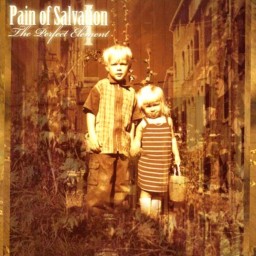
Used is an enigmatic album opener that commences with what can only be described as almost spoken-word rapped Nu Metal. Right from there, I was a bit turned off. Not that I dislike Nu Metal, but it was the last thing I was expecting on a Pain of Salvation album, and it wasn’t particularly good Nu Metal either. The song changes style multiple times, and each time it shifts back to Nu Metal, I’m like “what the heck.” It just sounds… ugly.
I listened to the album passively a few times, and while the rest was quite good and lush Progressive Metal (with not even an iota of Nu Metal beyond the first track), it still wasn’t really grabbing me. It was settling as another one of those “good, but not great” sort of albums that so often pass us by.
Then I listened to it during my bike ride to work (frigid cold November), which is a great opportunity to really focus on the music. The first track comes on again, and I’m really hearing the lyrics this time… holy moly, is this about child sexual abuse? That’s… really dark. The second track comes on… again, I’m hearing it. This is when I register this album is not only far darker and more serious than I had thought, but it was also most likely a concept album. I continued following the lyrics, and it is hard to follow without knowing the layout beforehand, but yes, this was certainly a tale of abused children growing into damaged humans…
Everything came together for me on that bike ride. It’s hard to explain, but every single song became this incredibly moving piece, full of deftly written lyricism, passionate delivery, and of course, beautifully layered instrumentation. I think the reason it works just so is because the music is very intertwined with the story, the music changing at the drop of a hat to fit the exact mood driven by the narrative. On unfocused listens, perhaps the songs sound a bit fragmented, perhaps the vocals are a bit difficult to follow because of the occasional odd-timed delivery… or maybe it was just a total miss on my part. Anyway, a focused listen fixed that.
I still think the Nu Metal in the first song sounds ugly. It still sounds out of place. And now, I love it for that. To display the vile horror of child abuse through the angry and damaged child, the music should be ugly, it should be disturbing, it should be fragmented. And the fact this album has so much beauty in it – the persevering innocence and longing of the inner child – it makes the ugly parts stand out even more, balancing the whole package. It’s a masterpiece, an engaging and evocative story from start to finish, and a treasure trove of magnificent musicianship.
BONUS
I really haven’t been able to find a good narrative online for the concept story, so I’ve taken it upon myself to lay it out as best as I can for anyone wanting a clearer perception of the events. Based on a combination of what I have read in various places and my own interpretation of the lyrics (at the end of the day, this is not Word of God, but my opinion).
The story follows He and She, two children (and later adults) who were horrifically abused. The concept deals with their trauma bonding and disturbed development due to their past.
Used: Details how His experience of child sexual and physical abuse has lead to a life of youth violence and drug use to escape His pain.
In the Flesh: Details how Her experience of incestuous child sexual abuse lead to Her running from home, engaging in prostitution, and dissociating to escape Her pain.
Ashes: He and She trauma bond over their experiences and develop a bittersweet relationship in which they finally feel a kinship, but are held back by unresolved trauma and toxicity as they feed off one another’s pain.
Morning on Earth: His need for violence and misanthropy is not ignited around Her, and he feels himself seeing the world for the first time by experiencing her love. The song explores how deep down, they are still just wounded children, longing to love and be loved, but the horrors of the world keep them shut out.
Idioglossia: Him engaging in violence to escape his pain – though it’s unclear if this is current or a flashback. The song explores Him finally realizing that he was damaged and hurt as a child, and trying to figure out what is wrong with him.
Her Voices: He begins to see Her face in all of those He commits violence against, essentially gaining empathy through His love for Her. She develops mental illness due to Her unresolved trauma. This could be literal voices a la schizophrenia, or something closer to paranoid personality disorder, borderline personality disorder, or any mental illness warping her view of reality, and She begins to distrust Him. The cycle of abuse continues through Him as He ends up being abusive (whether physically or verbally/mentally, is unclear) and becoming a contributing factor to “Her Voices.”
Dedication: He experiences the death of his grandfather, the first real loss in His life. The grandfather is never mentioned before or after this song, but it’s apparent here that he was an admirable and safe figure in His life growing up – perhaps the only positive one in His whole life.
King of Loss: Probably the most difficult to decipher song. Could very easily be interpreted as the alienation and victimization of He and She at the hands of those in charge of the world. However, I prefer to take this as Him actually finding a successful career as some soulless politician or other figure of power – making money, acquiring possessions, yet nothing being enough, nothing filling the hole of loss and pain within him.
Reconciliation: He finally “wakes up” and realizes what He’s become. An abuser and user of others, just like those who hurt Him. In this moment of clarity, He tells Her to run from Him and find help.
Song for the Innocent: The inner longing of an innocent child for peace and happiness traded for an adult life of violence, abuse, drugs, corruption…
Falling: The moment of “peace” before He commits suicide. It’s an often-documented phenomenon that when a person is near suicide, they will appear carefree and lighter than normal, likely because they know all burdens will no longer matter soon; this is likely why the song is a short and soft, calming instrumental.
The Perfect Element: Him commits suicide in order to free Her from Him. As he bleeds out on the floor, His life essentially flashes before His eyes. We are given references to previously seen moments, as well as memories never explored here (“Once he would run through the summer days, catching memories for ages to come” – perhaps there were yet times when he was truly just a happy, innocent child?).
Probably the most desolate and bleak Black Metal album recorded by the turn of the century. DSBM hadn’t fully come into its own as a genre yet, and so what we had here was a proto example of the genre. Atmospheric Black as well as straight Black Metal rule the barren fields that this album makes home while heavy doses of DSBM and Doom Metal bring the pain and suffering. A generous amount of Prog Metal and some sparce glimpses of Post-Metal and Drone bring together the full scene of dark devastation.
Just 5 tracks, each well over 10 minutes, is an almost unheard-of decision in Black Metal. But by God, what a treat they are. Repetition is heavy in this album, but so is the progression of sections, tempos, and atmospheres into different chapters of each song. I’m not usually a fan of repetition, but here it is done well, giving each song memorable motifs that keep the listener grounded amidst the chaotic assault of crushing density.
The persevering despair of the record keeps it in the darkest depths of the aural spectrum despite the almost grandiose, epic sound that the band achieves. While usually focusing on the standard fare of Metal instrumentation, there are near-symphonic parts and ambient soundscapes that elevate the music into much greater heights. The power and density of these extra elements both add weight to the compositions while also highlighting the lead melodies. They are also infrequent enough that when they do occur, they immediately grab your attention.
Across all 76 minutes of this album, there wasn’t a moment I didn’t revel in. Even the Drone outro to the final track was just so perfectly placed, I never had any desire to shut it off before it ended. Fully a masterpiece.
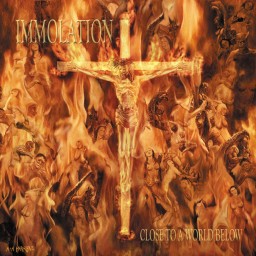
Dissonant Death Metal is usually not one of my favorite styles… in fact, it’s one of my least favorite styles of Metal. The focus tends to sacrifice riffs, songwriting and memorability in favor of sounding as insane and extreme as they can, pushing boundaries and dancing the line between music and chaotic nonsense. The famous line from Jurassic Park “(they) were so preoccupied with whether or not they could, they didn't stop to think if they should" is applicable to many bands in the genre. Which, if you like that, fine… but not me. So why is Immolation an exception? Well, the answer is pretty simple; whereas other bands try focus on being weird, novel and avant-garde, Immolation simply try to sound as evil as fucking possible.
The RIFFS on this thing are just mind-blowingly good. Yes, they’re quite dissonant and technical, but more than anything, they are memorable and twisted. They carry MOOD, they craft ATMOSPHERE. Immolation keep one boot planted firmly in OSDM, and even lyrically, it’s all anti-religious infernal hellfire and suffering (as opposed to some of the abstract and cryptic topics other bands in the style are known for). This ensures that, despite the insane technical prowess and borderline chaotic songwriting at times, these are super evil, memorable, riff-driven SONGS, not bizarre experiments into what a musician can achieve if they forgo all musical conventions. Not just the guitars, but the rhythm sections and the vocals are all preforming magnificently, providing interesting and impressive soundscapes that push the bounds of Death Metal while still retaining a sense of pattern and conventional appeal.
And yes in fact, the weakest moments of this album are when they lean a bit more into that Dissodeath style. “Lost Passion” is an example of a song that has a bit too much skronking and weird rhythmic djenty-ness at times, though it’s still a great song simply because the band is that powerful. “Father, You’re Not a Father” on the other hand, stands much more firmly in OSDM, with more controlled songwriting and performance (for this band) and the most memorable riff on the album. It’s also surprisingly sombre, with lyrics that allude to a bit more than simple God-hating. Very dark and powerful song in addition to its insane musical majesty.
Despite enjoying every single one of the band’s previous albums, I am still amazed and blown away at how much I enjoyed this one. Immolation have earned more than just my respect; they’ve earned my awe.
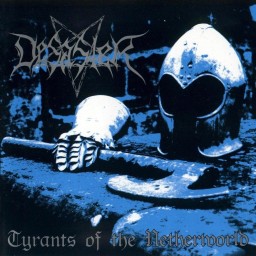
Considering I wasn’t overly impressed with Desaster’s preceding Hellfire Dominion (don’t get me wrong, it’s very good, but no masterpiece) I was blown away by Tyrants of the Netherworld. They turn the Black Metal influence down just a tad, and the Thrash way up.
As someone very partial to Thrash-hybrids that lean more towards Thrash, this was perfect for. We get some Blackened chords, evil atmosphere and of course the vocals, but the meat of this record is honest to Satan classic Thrash Metal. Both the riffs and drumming see a marked improvement from the previous releases. The guitar work is not only more precise and impressive, but way catchier, with some of the best riffs in the genre since Thrash died in the 90’s. Never ceasing to be evil, however, as the band walks a fine line between melodic and twisted chaotic leads. The drumming has more variety and a lot more energy without relying on generic blast beats for heavier sections. Even some of the solos here really impressed me, those actually leaning a bit more towards Black Metal as they worked in tandem with the song to create some dark and piercing evocations of the infernal chaos. The vocals don’t need much mention, but they are very good and satisfying blackened yells.
I will name one song that surprised me most – “Battle Oath.” It’s not my favorite song on the album, but definitely the most unique; it starts out as a more mid-tempo Blackened Heavy Metal song, but develops into a more Thrash-influenced Viking Metal territory, rife with atmosphere and fantastic, moody riffs. Didn’t expect that from the band!
Definitely a great start to the 2000’s for Thrash, and a foreshadowing of the rebirth of the genre after the shadow of the 90’s slowly dissipated.
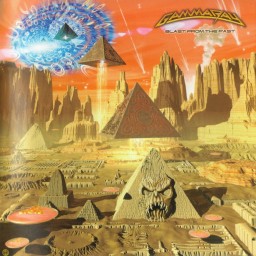
Blast from the Past is a compilation of re-recordings and remasterings the band put together, taking from all of their previous releases. I’m only going to review the re-recordings, as a remaster really doesn’t warrant its own release.
First off, almost every song here is Power Metal majesty, and none are less than great. Gamma Ray have some really great choruses that have been amplified by the slight changes in the re-imagined tracks. The improvements in production do nothing but favors, and there are slightly denser elements to many of the tracks, like sprinklings of extra keys. There was only one track I didn’t feel benefited here, that being “Last Before the Storm” – probably my favorite Gamma Ray song, and the original was simply so good that the slight changes they made felt… I guess, just different rather than better. The original is just too good (it’s still my favorite song here though).
On its own, it’s a collection of fantastic Power Metal. On principal though, I will say most of these songs didn’t really need re-recordings, especially since the band had only been releasing music for 10 years and had not changed AT ALL in their general sound and delivery. To its credit, yeah, I’ll reach for these songs instead of the originals; the better production if nothing else dictates that. But… far from necessary.
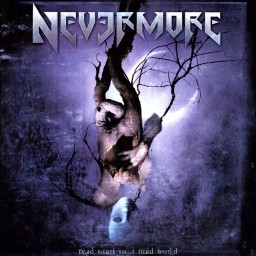
I’m not the biggest fan of Groove Metal, so Nevermore trading most of their Thrash energy for more rhythmic and mid-temo riffing was a move that shouldn’t sit right with me. Well, I still don’t think it’s as good as the previous albums, but this is monumental for a Groove album. The band’s ability to combine hybrid riffs that combine Groove, Thrash, and classic Heavy/US Power Metal with a more modern atmosphere and dark mood make them super unique, and this album definitely has that identity in spades far stronger than anything preceding it.
Most people probably point to Narcosynthesis, the enigmatic opening track, as the highlight of the album (or the band’s whole career, even), but it was the second track, We Disintegrate, that really gripped me. Of course we get the fantastic core musicianship Nevermore always delivers, but there’s also an AMAZING chorus?? I had never heard Warrel use his voice like that, and it got totally stuck in my head. That was kind of a recurring theme here; I think Warrel learned how to better craft hooks, and use his voice melodically on this album. I’ve always liked him as a vocalist, but catchy choruses were absolutely not his main draw. Here, he hones that tool and utilizes it well, another favorite of mine being the monolithic pre-chorus “And I still Believe in Nothing…”
The guitar solos are another highlight, and along with the melodic guitar leads, add a fantastic touch of spice to the more basic musical foundation. Rhythmic chugs aren’t nearly as bad if you’ve got a stunning guitar lead shimmering over them. My only criticism there is sometimes they’re pushed way too low in the mix – I want to hear the melodies, not the 0-0-0-1-2-0! Gimme the good stuff!
As I’ve hinted at, the slower, more rhythmic musicianship and songwriting style here isn’t as much to my taste as their Thrashier material, but the band is so skilled that they pull it off better than most bands who revolve their entire career around Groove. Nevermore is simply too talented to play off of the weaker tropes of Groove Metal, and therefore deliver one of the best albums in the genre.
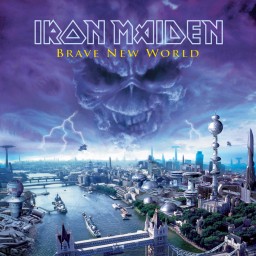
Like so many Metal bands that faced immense success in the 80’s, Iron Maiden fell victim to turmoil, stumbling and inconsistency in the 90’s. Lineup changes mixed with stylistic experimentation and lack of direction lead to one of the most legendary and beloved Metal bands falling to their knees, failing to keep up with trends while also failing to appease their own fanbase. It’s a story shared by many of the best bands from their era.
At the turn of the century, something changed in Metal. It seemed like older bands realized they don’t need to pretend anymore; they don’t need to chase trends or change styles to appease new crowds. They just need to be themselves and do what they do best. And Maiden were one of the very first bands to realize this, wasting no time in getting Bruce back, returning to their classic 80’s style, and dropping one of the very finest Heavy Metal albums in the first year of the new century.
Brave New World is an exceedingly epic affair with 3 tracks well over the 8-minute mark. And yet, it never overstays its welcome, never feels overlong. How do they manage this? Quite plainly, every minute of every song here is full of carefully crated instrumentation, with wonderful guitar lines weaving between rich and interesting rhythm lines, the only breaks in dense instrumentation being when Bruce’s voice is given center stage to belt out fantastic choruses. Most of the songs here have multiple passages, taking elements from their more Progressive era, but the instrumentation itself is not overly complex or technical; rather, the songs are progressive in that they take you on journeys through different scenes and landscapes, again maintaining a constant interest factor despite the long track lengths.
I have to give some credit to the previous effort, Virtual XI. Of course I have already claimed I find it to be quite an underrated piece on its own, but I think this album puts it into even greater context. Virtual XI was the band’s return to their pure Prog-tinged Heavy Metal after the inconsistency of the other 90’s records. For some reason, Iron Maiden seemed like they forgot how to properly write long songs or something on Virtual XI, but it was very clearly the first step in getting back to who they really were. Brave New World here was them re-finding themselves fully, in all their glory. And of course, a part of that success is the return of Bruce, who is just an absolute powerhouse of a vocalist, both in ability and in his skill of crafting fantastic vocal melodies. A magnificent return to form for the band.
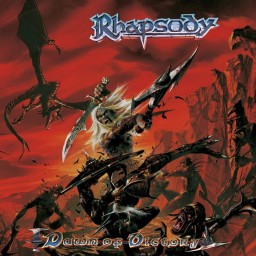
Much like Rhapsody’s preceding album, Dawn of Victory is an over-the-top epic filled with dense compositions and fantastical tales. Again we are transported to the adventures of Algalord and The Emerald Sword Saga. The concept story itself isn’t anything too special and can be a bit hard to follow at times, but it’s still a fun little treat for those interested and helps the immersion of being transported to these magical lands.
One thing that has to be addressed immediately – this album is cheesier than a stuffed crust everything pizza, and it’s just about as jam-packed with ingredients. Now, I’m a fine enjoyer of cheese when it comes to certain genres (Power Metal can get away with more than most) but this album is definitely pushing my limits. I pretty much had to learn to love it, but certain tracks like The Village of Dwarves fall into silly and even cringe territory. Your mileage may very depending on how much you love or hate cheese.
That ASIDE though… it’s a near-perfect Symphonic Power Metal album. It’s got everything you could want in the genre; soaring vocals, complexly melodic Neoclassical guitar leads, pummeling drums full of energy… it hits all the right notes, and it hits them well. The symphonic elements are perfectly integrated, with many different instruments playing their own parts, sprinkling melodies and themes, or providing a foundation with sustained strings. The medieval nature of this album just gives it more character, and the Symphonic elements walk a fine line between Classical and Folk, acing that medieval-fantasy aesthetic with traditional instrumentation as well as more Cinematic Classical styles.
All in all, due to the nature of this album, it’s kind of a love or hate it type release, but the immense talent in the performers and dense complexity of the compositions ensures pure quality so long as you aren’t lactose intolerant. Despite being so anthemic, it is more of a grower due to the sheer amount of layers in instrumentation to each song, and is definitely more easily appreciated through focused listens with headphones. A magnificent release, though it definitely could have improved with a bit more seriousness and maybe some emotional value. I sometimes find myself feeling like it’s just “too damn happy” while listening, but more often than not, I’m successfully transferred to a magical land of war and fantasy.
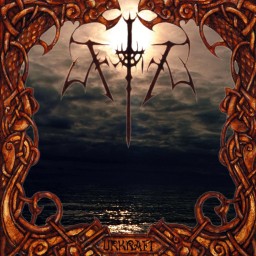
Thyrfing are one of the bands who started consistently leading the Viking Metal movement after Bathory briefly abandoned the sound. Urkraft is a style of the genre that remains quite Blackened and heavy, yet still Folky and mostly uplifting.
The band’s previous album was characterized by having a strong Power Metal influence, making it speedy and melodic. Cheesy, sure, but fantastic stuff. This album loses most of that Power Metal influence for focus on a more midtempo, folky and epic sound. It’s still heavy and cheesy, but in a slightly different way. The compositions are strong and even border on progressive at times, and have some nice layering of instrumental pieces. However, I find myself missing their more energetic stuff.
I think especially with the genre picking up more traction around this time, “Urkraft,” as solid as it is, fails to really stand out from other albums in the genre. Where their previous album had a unique blend of Power Metal melody and energy in the mix, this one is far closer to straight Viking Metal. Still very well played and composed, but less memorable and less unique.
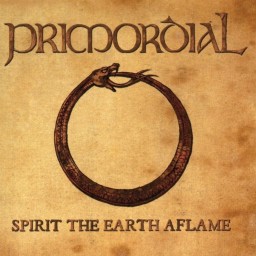
Primordial’s debut Imrama was actually a favorite of mine in the genre of Black Metal. It’s got fantastic Doomy atmosphere and lyricism, some gentler Folky parts, and lots of energy and great riffs. I was confused seeing that the ratings for it seem to be quite underrated, but having heard their following two albums, now I get it. And no, it’s not because they’re better.
Primordial started playing a slightly different style after their debut, with more intricate and eclectic songwriting, but far less aggression and doominess, which were the things I loved about the debut. Each release, in total opposition to the general public opinion, has been less and less appealing to me.
Now, don’t get me wrong. Spirit the Earth Aflame is a very good album. It’s got a nice variety of vocal styles and poetic lyricism. The songwriting is strong, with a lush variety of instrumentation, and sections ranging from slow, to mid-tempo, to even some classic Black Metal blast beating. I totally get why most people prefer this, as it seems this style very much became the band’s identity.
For me though, I hear some great music, but I’m really missing that anger, that melancholy they had before. Sure the identity is stronger, it certainly sounds more unique among the ever-growing mass of Black Metal releases, but hey, what can I say. I’m a sucker for the raw emotion on their older stuff. Spirit the Earth Aflame is a slightly more “artsy” record and I appreciate it for what it is, but more than anything it made me realize why their debut is so special and why no one else seems to like it as much.

White Pony is revered as one of the greatest Alternative Metal albums of all time, and as a big fan of certain strains of the genre, I gave this album a very fair chance. The potential for masterpiece is there, but overall I was left wondering what makes this so great in the eyes of the world.
By rights, the highs are magnificent. It’s got a couple great songs that kept me coming back again and again. But I soon found that most of the album just consisted of anticipation for those few tracks, while the majority didn’t do anything special for me. Why was this?
For me personally, it’s because White Pony just doesn’t go far enough in any of the things it sets out to do. It’s an eclectic album with a good balance of influences, primarily Alt Rock and Alt Metal, but also spreading across Nu Metal, Shoegaze, Post-Hardcore, Dream Pop, and even some artier moments of Downtempo and Glitch. Problem is, it doesn’t exactly excel at any of those things. The heavier, Nu Metal tracks are not heavy enough nor aggressive enough, the darker songs aren’t dark enough, the clean songs aren’t catchy enough, the emotional songs aren’t passionate or evocative enough… you get the idea. If I wanted heavy Nu Metal, I’d rather throw on Slipknot. If I wanted cleaner, more passionate Alt metal, give me modern Katatonia or In flames. If I wanted atmospheric stuff… give me actual Shoegaze or Post-Metal.
The highlights of this album are found in those couple great tracks where everything comes together perfectly. As shameful as it is, I’m unfortunately talking about the same tracks that everybody else likes, the lead singles “Digital Bath” and “Change (In the House of Flies).”
Wow, is “Digital Bath” something special. That was the only song that immediately gripped me the first time I heard it. When Chino goes higher and passionate with his vocals and the gazey chords come in, man, it’s perfect. That moment in the middle of the song where you can actually hear something that sounds like electrical water… godly atmosphere. It’s catchy, it’s passionate, it’s moody, it’s atmospheric, and it’s got a hell of an interesting lyrical concept. AND it manages to capture all of that perfectly with the quirky song title.
“Change” was much more of a grower. Didn’t stand out immediately, but got a lot stronger each time I came back to the album, full of great symbolic lyricism and a dark, ominous mood that works really well with the simpler guitarwork. I will also give a shout out to “Knife Prty” which is just shy of a fantastic song thanks to a bit too much meandering and a slightly lamer concept idea, but the energy and mood of the song is great.
All of these aforementioned songs share something in common; they are cleaner, technically simpler, denser and more atmospheric. They focus on mood, and more evocative vocals. Deftones can do this sort of style pretty damn well. But when they try to do something else, they don’t succeed, and here’s why; the riffs suck. They are incredibly boring, mostly dissonant, not catchy, not creative, not evocative. Ditto for the rhythm section; it’s simple, boring, not energetic enough. Chino’s harsh vocals aren’t very convincing either. For this reason, the band falls flat when they try to go heavier or more energetic. None of the heavier Nu Metal songs left any impression on me. The only other song I can really remember is “Teenager” and that’s because it’s so damn different, being a full on Glitch/Downtempo track. And they do that one decently well too! They just were really not meant for Nu Metal.
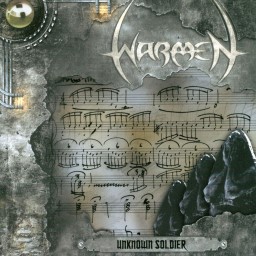
For guitar hero shred-style Neoclassical Metal, impressive musicianship is a given. For that reason, it doesn’t really matter how good the guitarist is if they are able to play this genre on a technical level, cause they’re all in the top 1%. What matters is songwriting ability, the rest of the band, vocals if any, etc. What sets it apart from other shredders? Why does it deserve my 5 cents?
In Warmen’s case… well, there isn’t anything, at least for this debut album. The album is stuffed with “good enough” Neoclassical Metal with nothing separating it from contemporaries in the genre. Yeah, the musicianship is good, but again, I need a bit more than that. It’s a mostly instrumental affair, with vocals appearing on only two tracks. The vocals are good, but nothing mind blowing in terms of ability, choruses, etc. And the instrumental tracks are, again, fine stuff, quite good, but not offering anything memorable. The only unique track would be Devil’s Mistress, which chooses the very odd avenue of having the guitars take a backseat. I mean, half the time they’re barely even noticeable, being lead by drums and synths really. It also has a great chorus, but the verses are breaks are boring.
Overall, the band doesn’t have much identity at this point. But that could change!
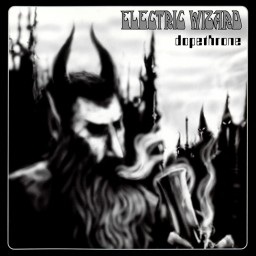
Dopethrone is an odd one for me. I’ve never been a fan of Stoner “Doom” (most of which is not really doomy at all, but just slow and heavy Stoner Metal) and I hate the fact that a bunch of the most revered “Doom” albums and bands fall into this category of not really being Doom, but either Stoner + Trad Doom or Stoner + Drone stuck with the misnomer.
The thing that makes Doom what it is isn’t simply being slow or heavy. It’s a focus on mood and atmosphere, ranging between dark and misanthropic to depressive, melancholic, and lonely. Always the goal is to evoke some sort of emotional response on the listener, to manipulate their mood using the darker, more painful human emotions.
Stoner “Doom” rarely does this. It’s not focused on mood and certainly not emotionally evocative. In contrast, it’s some of the least emotional music out there, being groovy, chill and drugged out. To some extent it relies on the already altered state of the listener (via drugs etc), whereas true Doom seeks to actively alter the listener’s emotions with music, lyrics and so on. Most of the lyrics in Stoner “Doom” are silly, surreal, and of course, psychedelic and hedonistic. Despite the sluggishness and lethargy, actual Doom is an ACTIVE genre whereas Stoner is a PASSIVE genre.
Electric Wizard are one of the top bands in that game. Their first two albums are exactly what I detest in the genre, with sophomore effort “Come My Fanatics…” being one of the worst Metal albums I’ve ever heard. But as far as this one goes, let’s just say I was pleasantly surprised. While this certainly won’t be making any top “Doom” list of mine, the band took a sound I tend to dislike and made something quite enjoyable by my standards. While the riffs and drumming are nothing to write home about, they’re certainly a step up from the braindead droning of the previous record. The use of feedback and sustained, repetitive notes reaches an apex here, where the texture of the music is palpable and pleasant. The noise and fuzz adds a warm flavor, a spice used sparingly rather than overwhelming the whole dish as on other records in the style such as “Jerusalem.” Perhaps that’s why this album is considered the best; it takes an extremely inaccessible sound and makes it a bit smoother and conventional to appeal to the general palate.
I will certainly give this album credit in doing that much. Despite being many years into the style, “Dopethrone” remains the crown jewel of the Stoner “Doom” style and managed to make something new and unique without really changing any of the core components or techniques. All that being said, it’s still completely emotionally vacant, devoid of mood or passion, and I don’t want it anywhere near my Doom Metal.
After a handful of Eps that ranged from decent to horrible, my expectations for Isis’ debut weren’t too high. And in this case, I was right to temper my expectations; Celestial sounds like a band who still don’t know exactly what they’re doing yet.
Most of the “atmosphere” to this album is based on repetition and some industrial or otherwise sound effects thrown in the back. The songs aren’t bad or anything - they’re plenty decent - but it does become rather sad when a Post-Metal band can’t pack anything really moving or interesting in a 9-minute track. The fact of the matter is, the guitars, drums, and general instrumentation aren’t very interesting because they rely on atmosphere. And well, that works perfectly fine when you’re building great atmosphere. But the atmosphere here is lacking, as I said, mostly based around some industrial sound effects and repetition. It doesn’t evoke anything or foster any mood.
“Swarm Reigns (Down)” is my favorite track because it’s actually quite doomy, and has this neat oppressive atmosphere built by some odd effects slowly lowering in pitch to make it sound like thousands of insects are raining down on you. It’s really neat, but even this track probably has 3-4 minutes of meandering that aren’t as successful.
I do see potential here, and the highs are a marked improvement from their early Eps. But, this is not yet any masterpiece. Hopefully the atmospheres improve henceforth.
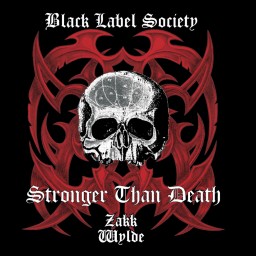
An exemplary specimen of fully realized Southern Metal, embodying all the influences of the genre strongly. The eclectic nature of this album is its strongest suit, touching upon many different styles yet always within the singular umbrella of Southern Metal and keeping that sludgy, worn-out cowboy aesthetic integral to the genre.
The guitar playing stands out most, and the majority of the songs are entirely led by layered guitarwork, with rhythm and vocals playing second fiddle. There’s a good variety in guitar playing styles as well, with Southern Rock leads, Groove chugs, Heavy Metal riffs and nice acoustic finger plucking for the more somber cowboy numbers.
The huge problem with this album is the mood and actual melodies. The mood of this album can generally be described as “I’m a tough guy, watch out for me” and the melodies to these songs don’t evoke anything at all, they’re just stock riffs. The whole album gives me the sense that I would not enjoy spending time with people who write or enjoy this kind of music. The vocals have a really annoying southern drawl yarl to them as well, only adding insult to injury with the embarrassingly juvenile lyricism. The rhythm section never does anything interesting either, which is a big negative for me.
The tracks that evade those issues are best. “Rust” actually has some atmosphere to it, being a more somber, mostly acoustic track with some electric guitars adding very good underlying harmonies.
I can see it as a fun album with some tasty guitarwork, but it’s painfully shallow.