Daniel's Reviews


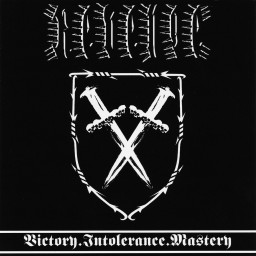
The second full-length from this Canadian war metal duo offers much the same as their debut album "Triumph.Genocide.Antichrist" from the previous year i.e. a short, savage & relentless storm of blast beats & screaming vocals that will invariably get your blood pumping if you're a fan of this niche extreme metal subgenre. As always, Revenge showcase a strong passion for grindcore, although the production job doesn't allow for much in the way of variation or articulation. There's not really much of a need for it though as everything flies by like an out-of-control battering ram, leaving the listener holding on for dear life. I think I enjoy "Victory.Intolerance.Mastery" slightly more than Revenge's other more popular releases like "Triumph.Genocide.Antichrist" & "Behold.Total.Rejection" but there's not really much point in separating them from each other as they're all basically the same shit (as hinted at with the series of very similar album covers). I will say that I was on my way to a four-star rating for the first five tracks here but the quality level just tailed off a bit through the end of the tracklisting which saw me falling just short. The damage was already done though & I'm not sure I ever expect Revenge to produce something deep & meaningful anyway. They're very much a role player whose aim is to satisfy a well-defined need & they do what they do well. I'm just not sure that they'll ever really change my world with this sort of offering.
For fans of Conqueror, Diocletian & Blasphemy.
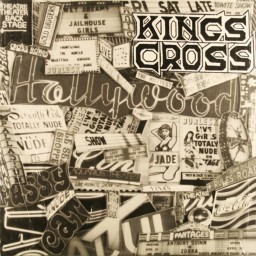
Kings Cross were another act that competed with the recently mentioned Surrender for the honour of having released the very first genuine metal release to come out of my birth city of Sydney. There's very little known about the timing of the two records though so I've had to take a guess as to which may have come earlier & have generally leant towards Surrender as their self-titled album was far more significant than Kings Cross' three-song effort. It was also miles more enjoyable too as the "Gimme" E.P. is a lacklustre affair that places all of its hopes & dreams on the back of brothers Darren "Jed" McCormack & Matt "Big Bird" McCormack whose virtuosic lead guitar skills are pretty incredible when compared with the overall package. They'd clearly been spending years kneeling at the altar of the late, great Randy Rhoads as there are some striking similarities in style. Unfortunately, it wasn't enough to save "Gimme" from the second-hand store racks though as two of the three songs are completely disposable (read: garbage) with closer "Love Machine" being one of the worst metal tunes I can remember hearing, thanks largely to the completely out of key vocal effort of front man Mark White.
Kings Cross began life as New England in 1983 before changing their name shortly afterwards. The "Gimme" E.P. would be their only metal release with their 1988 debut album "Psychedelic World" coming after they'd relocated to Los Angeles in search of international acclaim & seeing them dropping the metal component in favour of a more psychedelic glam/hard rock approach. Kings Cross were built around the three McCormack brothers who would later go on to form seminal Sydney thrash metal band Massive Appendage with Jed & Shawn also ending up in Fester Fanatics later on. The early Kings Cross sound sits right in the middle between the LA glam metal one that was so big at the time & a more muscular heavy metal one. They tended to sound closest to Skid Row due to White's similarities in tone with Skid Row's legendary Sebastian Bach in my opinion. Unfortunately, his skill set is not even close to being able to match Bach's though & his failings are the main detractor from me being able to enjoy this release. I do quite like the glammiest of the three tracks in the catchy "Back Street Theatre" but it's sadly not enough to balance out the dire nature of the song-writing on the other two inclusions so I can't in good conscience encourage any of you to actively seek out "Gimme" which should reside solely in the annuls of Australian metal history for all eternity.
For fans of Twisted Sister, Skid Row & Motley Crue.
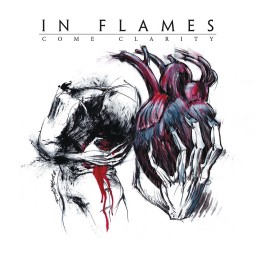
Most of our regulars would probably be aware that I've never been a fan of In Flames' most celebrated 1996-2000 period with albums like "The Jester Race", "Whoracle", "Colony" & "Clayman" doing very little for me. The Swedes' 2006 eighth full-length is a bit different to those records though & offers me just enough appeal to see it reaching a more acceptable rating. This isn't your standard melodic death metal release though. In fact, it's a little hard to argue that it's a death metal release at all, although they never fully pull away from their roots either.
With "Come Clarity" we see In Flames embracing the melodic metalcore sound that was making waves in the underground metal scene at the time & combining it with their signature melodeath riffage & alternative metal song-structures to create a more accessible record that aims to win a new fanbase over with more of a stadium sound. When they manage to nail that combination, it works really, really well, as evidenced by the classic alternative metal anthem that is the title track or the very solid melodic death metal burner "Vacuum". The vocal performance of Anders Fridén is worth mentioning as it never feels like a death growl, instead sitting closer to a psychotic metalcore scream during the more extreme sections while making a decent fist of the clean chorus melodies too. It's worth noting that there are just as many failures as there are wins here though but, thankfully, those wins are comprehensive enough to overcome the losses & leave me with a more positive feeling than I can recall having with In Flames' more unanimously praised albums. As with a lot of releases like this one though, a song's potential to capture the listener all comes down to the quality of the chorus melody & your experience will ultimately depend on whether you can connect with those enough to get onboard with "Come Clarity" or not. I've been surprised to find that I can these days so perhaps there's hope for me yet.
For fans of Soilwork, Darkest Hour & Trivium.
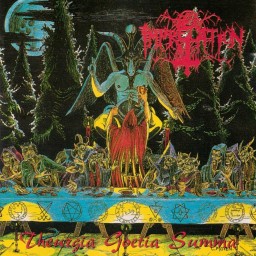
I've always been a fan of this compilation of Houston-based death metallers Imprecations' early works as the material is both extremely solid & highly consistent, despite the three releases it compiles offering drastically different production jobs. "Theurgia Goetia Summa" begins with the three-song "Promo 94" before moving into 1993's "Sigil of Baphomet" E.P. & ending with 1992's "Ceremony of the Nine Angles" demo tape. If pushed, I'd probably suggest that the 1994 promo is the most fully realised representation of the early Imprecation sound but all three are well worth hearing. It's the two demos that I regard as being essential listening though with the E.P. suffering a bit from a muddier sound & the raw intensity being slightly better represented on the cruder recordings. Imprecation's well-defined death metal style is reflected on all three releases with a combination of very fast blast beats, crushing doom riffs, cavernous vocals & subtle keyboard accompaniment working beautifully in the context of the global tape trading scene of the time. This release appears to have been custom built for all you filthy underground enthusiasts out there with Imprecation's blend of Incantation & diSEMBOWELMENT influences really hitting the spot for this ol' metalhead.
For fans of Infester, Blaspherian & Morpheus Descends.
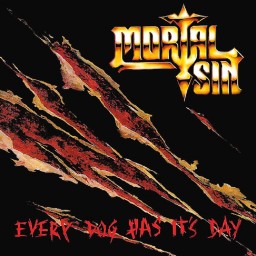
Sydney thrash metallers Mortal Sin hold a very strong place in my heart, despite never really quite living up to their reputation in my opinion. You see, they were the first local extreme metal band to cross my path when I first became obsessed with the scene in the late 1980's & they gave me the belief that I should try my hand at creating a band of my own. My attention was initially grabbed by their highly regarded "Mayhemic Destruction" debut album which led to me moving onto their 1989 sophomore record "Face of Despair". If I'm being completely honest though, neither of those full-lengths has ever left me convinced that Mortal Sin are worthy of being placed in the top tier of the global thrash heavyweights. In fact, I can't say that I'd even lump them in with the second tier either. To my ears, they're both serviceable & mildly entertaining but rarely get my blood pumping & it's for that reason that I've awarded both a middling 3.5-star rating here at the Academy. Their live shows where another story though & I had an absolute ball in many a Mortal Sin mosh pit over the years. However, I digress because the point I was trying to make is that Mortal Sin were well & truly on my radar when their third full-length "Every Dog Has It's Day" hit the shelves in 1991 which even led to me purchasing the "Every Dog Has It's Day" cassingle in the leadup to the album release. Now prepare yourselves for a hot take because you're about the receive one.
The story behind "Every Dog Has It's Day" (otherwise known as "Rebellious Youth" if you've picked up the Virgin Records release) is that a fair amount of internal turmoil occurred within Mortal Sin's ranks following the release of "Face of Despair" which eventually resulted in the band breaking up altogether. Bassist Andy Eftichiou wasn't satisfied to simply let old dogs lie though, going behind the backs of the other band members to create a completely new version of Mortal Sin. Once the other band members found out about it, they took legal action & it got really messy. The new lineup didn't hang around too long but it did last long enough to record this third full-length which would be the first to be released while I was keeping tabs on the band. Sadly, the majority of the global metal scene gave "Every Dog Has It's Day" a pretty harsh panning at the time & that hasn't improved since but I have to admit that I don't remember the album that way at all & I've recently wondered whether that's due to nostalgia or whether Mortal Sin's diehard fanbase had simply not given the record a chance. This week I decided to find out as it's been decades since I last heard the record in full.
The lineup that recorded "Every Dog Has It's Day" isn't exactly star-studded with a number of relatively unknown new members filling key rolls. In fact, guitarist Dave DeFrancesco was the only one that had anything of significance on their resume, having appeared on the pretty decent "Into Reality" demo tape from local speed/heavy metal outfit Enticer a couple of years earlier. The band perform their roles admirably nonetheless & show themselves to have some pretty reasonable chops in the process. The major talking point though is generally the vocal ability of new front man Steve Sly whose delivery is noticeably more melodic & clean than the James Hetfield-ish voice of Mat Maurer on the two 1980's records. A lot of people claim that Sly ruins "Every Dog Has It's Day" but I simply can't prescribe to that line of thinking as he can certainly sing & delivers a performance that isn't all that uncommon for thrash metal in my opinion. Sure, you may prefer Maurer over Sly but, if you treat the album on its own merits, I think you'll find that there's not anything technically wrong with Sly's voice. The other main talking point is the theory that the new version of Mortal Sin had watered down the intensity of the 1980's lineup with a more accessible & commercialized sound. Once again though, I never really thought of Mortal Sin as being anything all that extreme & the material we receive here is some more than serviceable mid-tempo thrash metal that wouldn't sound all that out of place on a Testament or Xentrix record from the time. The average tempos are a touch slower than previous efforts but so fucking what really. The misguided ballad "Wasted Days" is the exemption to the rule though & is the clear weak point of the album.
But is the songwriting as boring as it's made out to be then? Well, in a word "no", it's simply not. There are plenty of great riffs included with the rhythm section doing a great job at maximizing their weight. Perhaps the Studio 301/Powerhouse production isn't as warm & heavy as a record like "Mayhemic Destruction" but it's certainly not bad. I'm quite a fan of the lead guitar work which is more than capable & it works nicely to provide support for the hooks which, contrary to popular opinion, are memorable enough for me to remember most of this material several decades later. Opener "Inside Out" is a beauty & is my favourite cut on the record while being ably supported by "Side Effect" & single B-side "See No Evil". I honestly don't see the quality being all that different from that of "Mayhemic Destriction" or "Face of Despair" if I'm being perfectly honest & are even going to go so far as to say that I marginally prefer "Every Dog Has It's Day" to "Face of Despair" these days. So look, I'm not asking that you all take my word for it & immediately realign your opinions on this album to be in line with my own but I am going to suggest that you ignore the general perception that's voiced online when going into the record as you might be surprised by the outcome.
For fans of Metallica, Xentrix & Testament.
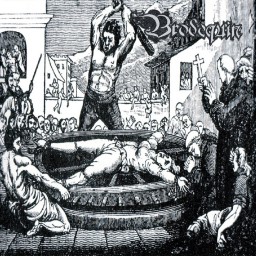
I first discovered Tennessee brutal death metallers Brodequin through their 2001 sophomore album "Festival of Death" back in 2009 & very quickly found myself indulging myself in the rest of their back catalogue. I'd only recently returned to metal after spending a decade in the electronic dance music scene & was looking to satisfy my long-standing urges for the sort of devastatingly brutal death metal I'd drenched myself in during the mid-1990's. These guys produced some of the most brutal death metal you'll ever find during the early 2000's so I perhaps gave them more time than they actually deserved if I'm being honest. This debut album "Instruments of Death" is a clear case in point because it's nowhere near as good as it's made out to be.
There are two main gripes that I have with it that prevent me from being able to connect with a release like "Instruments of Torture" in 2026. The first & most obvious is the ridiculous vocal performance of bass player Jamie Bailey who makes no attempt whatsoever to enunciate actual words here, instead producing an almost never-ending drainpipe pig-grunt that I find enormously annoying, single-handedly destroying my chances of finding any genuine enjoyment in "Instruments of Torture". The second is the sloppy drumming of Chad Walls who doesn't seem to possess the endurance to consistently keep up with Michael Bailey's at times very solid death metal riffage. This is a real shame because the pieces are all here but Brodequin simply can't manage to put them all together in a similar way to how they've done with their much cleaner 2024 comeback record "Harbinger of Woe" which I really enjoy. There is certainly better brutal death metal out there than "Instruments of Torture" so perhaps it's for the best that its runtime is limited to just twenty-five minutes. Oh well... I guess you can't win 'em all.
For fans of Liturgy, Disgorge & Orchidectomy.
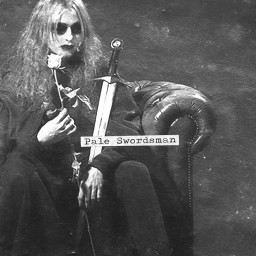
I have to admit that it's taken me a good five years to build up the courage to decide how I feel about this controversial black metal hit whose primary claim to fame was the succession of memes that were drawn from its ridiculous cover photo. The black metal scene generally isn't too kind to artists who present themselves in such a vulnerable fashion so you do tend to get a skewed view of the quality of a product like this one based on the triggering of people's gag reflex but I choose to base my judgement purely on the musical quality of such a release & it did take me a few listens to overcome, not only that cover, but also the unintimidating sound of this Ukraine one-man outfits second full-length. I mean, despite being influenced by classic black metal artists like Burzum & Darkthrone, "Pale Swordsman" does make most blackgaze acts sound pretty sinister in comparison but that doesn't mean that there's no substance behind it.
Lone contributor Crying Orc isn't exactly a virtuoso but he presents his ideas with passion & authenticity, almost thumbing his nose at the black metal traditionalists out there. There's a fragility to his melodicism & a boldness to his tendency to want to showcase his own vulnerability, as best showcased in gentle closer "Swordsman". Don't get me wrong. I do still have to confess that I definitely crave a darker format for my black metal. I just find that there's nothing terribly wrong with "Pale Swordsman" when taken as a purely artistic form of expression instead of comparing it with my long-standing ideals about what black metal should be. Album highlight "In the Garden" is a prime example of this as it's bookmarked by some fairly lightweight tremolo-picked riffage but, at its gooey centre, you can find the sort of atmosphere that I crave from my European black metal with the Orc's easily intelligible snarled vocals sitting very well over some highly melancholic guitar arpeggios.
If I was being critical, I'd suggest that the couple of piano-driven interludes are pretty flat & some of that is due to the production which has stolen the brightness that could have given these pieces a bit of life & replaced it with artificial vinyl crackles. Apart from that though, I've found enough quality in these simple black metal songs to keep me interested. It's very easy for people to dismiss the album based on a cursory listen because we are a flawed species with a tendency to want things to be as they first appear. A deeper investigation can sometimes surprise us though & I've found "Pale Swordsman" to have grown on me over time. Not enough to see me returning to it in the future I suspect, but enough for me to afford it a respectable score.
For fans of Draugveil, Felvum & Ebony Pendant.
I hadn't heard the third full-length from this Scottish NWOBHM act before but this week's experience with 1992's "Hypnosis of Birds" has been unanimously positive as well as quite surprising. You see, I wasn't much of a fan of Holocaust's 1981 debut album "The Nightcomers" which is by far their most well-known release. It was a very basic, rough-&-ready heavy metal affair that's light-years away from the sophisticated progressive metal we find here. There are some hints of Holocaust's roots to be found here & there (see the first half of the opening title track or the re-recording of the band's signature piece "The Small Hours" which Metallica covered on their 1987 "Garage Days Re-Revisited" E.P.) but, for the most part, Holocaust have moved on creatively with only guitarist John Mortimer remaining from the lineup that delivered the debut. Mortimer also handles the vocals this time which are admittedly nothing special. It's the instrumentation that's the real win here with some of this material reminding me a lot of more popular progressive metal artists like Mastodon, Devin Townsend or Dream Theater. Unfortunately, there are no genuine classic of offer but the quality is consistently strong enough to make "Hypnosis of Birds" a great listen nonetheless, even if the production is a little rougher than you'd generally expect from a prog record. This is definitely my new favourite Holocaust release, over-taking the fairly underground 1980 "Heavy Metal Mania" E.P. which I quite like. And by the way, please ignore the RYM tagging which includes Avant-Garde Metal & Heavy Metal, neither of which are relevant.
For fans of Voivod, Anacrusis & The Thought Industry.
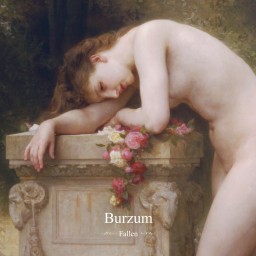
Varg Vikernes' eight (second recorded after his release from prison) studio album was a major disappointment for me at the time but it's been a good decade & a half since we last crossed paths now so I thought I'd give it another chance to capture me this week. Unfortunately, despite not being quite as bad as I first thought, "Fallen" is still a fairly underwhelming experience with pretty much every element being less effective than they've been during Varg's incredible creative peak of the mid-1990's. The overall sound is thrashier than he'd offered up before & spends time in both the conventional & atmospheric black metal space. There's a noticeable lack of synthesizers here though which is regrettable when you consider how wonderfully Varg's utilized them in the past. Vikernes' harsh vocals are totally different too & sound like he's really struggling to reproduce them in his old age while his incorporation of clean vocals is misguided, even bordering on being cringe-worthy. In saying all of that, there are some great black metal riffs here at times which leads to a good half of the record being pretty enjoyable (see "Jeg faller", "Vanvidd" & my personal favourite "Enhver til sitt"). Sadly though, the other half is pretty lacklustre with the tracklisting petering out badly at the end & collapsing completely with the God-awful neo-pagan folk closer "Til Hel og tilbake igjen". Look... you can obviously tell from my rating that "Fallen" isn't a complete disaster but it simply isn't up the task of maintaining Burzum's legacy. In fact, it's hard to deny that it does its best to tarnish it. I think "Fallen" was comfortably the weakest Burzum album to the time.
For fans of Drudkh, Forgotten Woods & Judas Iscariot.
I first encountered Germany's Bethlehem through the mid-90's tape trading scene through their 1993 demo tape & 1994 debut album "Dark Metal" (both of which I quite liked) which led me to track down their sophomore record "Dictius te necare" through the same channels once it hit the shelves. It saw Bethlehem adjusting their sound somewhat, mainly off the back of a lineup change that saw vocalist/keyboardist Andreas Classen (Darkened Nocturn Slaughtercult/Shining) being replaced by new front man Rainer Landfermann (Pavor) whose psychotic howls are the main talking point with this release. The blackened doom metal instrumentation isn't all that different to what we heard on "Dark Metal" but it's the over-the-top theatrics of Landfermann that the clear focal point & will ultimately decide on your reaction to "Dictius te necare" as I think it's fair to say that he's more than a little divisive. He is also the main catalyst for the album's DSBM credentials as he sounds like he's in all sorts of agonizing pain on these seven tracks. Personally, I think the album needs him too as the riffs & single-guitar lineup aren't all that exciting but I do really enjoy the deep, stripped-back atmospheric material that pops up from time to time on most tracks. The doomier material is also where I think Bethlehem are at their best with lengthy closer "Dorn meiner Allmacht" being the clear album highlight in my opinion. I can't subscribe to the general consensus that "Dictius te necare" is some sort of classic release but it's certainly worth a listen for those with a penchant for the doomier & more depressive side of black metal.
For fans of Silencer, Shining & Forgotten Tomb.
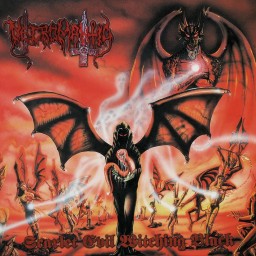
I quite liked some of Hellenic black metal heavyweights Necromantia's early works like 1993's "Crossing the Fiery Path" debut album & particularly their 1992 split album with Varathron, both of which I picked up through the tape trading scene during the first half of the 1990's. This led to me purchasing their highly praised 1995 sophomore record "Scarlet Evil Witching Black" on CD at the time of release & I gave it a decent chance to win me over like it did a number of my tape trading associates. While there's no doubt that I generally enjoyed the experience, I'd only spend a week or so with this record before it would be placed towards the back of my CD collection & I wouldn't find myself reaching for it very often over the few decades that have passed since. This week I thought I'd see if I could discover why that is as "Scarlet Evil Witching Black" appears to have gone on to become somewhat of a classic release for the Hellenic black metal movement over time.
For those that aren't already aware, Necromantia offer a unique take on black metal given that they've overlooked the requirement for a rhythm guitarist, instead opting to replace it with two bass guitarists (one a four-string & the other an eight-string), both utilizing a distorted tone that gives them a very identifiable sound. Necromantia also incorporate symphonics quite readily although I don't think it's enough for the symphonic black metal tag to be considered. Does it work? Well, in a word yes but that doesn't mean that it's always exciting &, as a guitarist myself, I do find myself missing my usual frequency band. There are some guitars thrown in for random solos here & there but they're not particularly well executed & their neoclassical approach doesn't feel like the best fit for black metal either. On the positive, the vocal screams of front man Magus Wampyr Daoloth are very good & the faster, more aggressive passages really appeal to me & are largely the reasons I enjoy the record overall. During the times when the four-piece outfit embrace more of a traditional heavy metal influence, I find myself losing a bit of interest & it's hard to deny that the first couple of tracks are clearly the best (particularly my personal favourite in opener "Devilskin"), leaving the remainder of the tracklisting to chase those levels of quality in vain.
Still... I think you have to hear this record at some point if you regard yourself as an avid black metal nut, if only to experience the bass-driven assault, & this release is generally considered to be the peak of Necromantia's powers so it's probably the box you need to tick. I just can't see it as any sort of classic myself. It's decent enough but rarely draws me back.
For fans of Mortuary Drape, Varathron & Thou Art Lord.
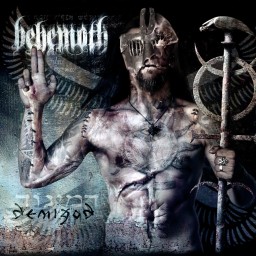
I quite liked the first couple of mid-1990's releases from Poland's Behemoth but they went through somewhat of a lull after that &, in doing so, managed to lose my interest during that 1996-98 period for the most part. It wasn't until my return to metal in 2009 & that I'd reconnect with these guys & I've generally checked out everything that they've put out since. I know a lot of people will place 2014's "The Satanist" record up on a pedestal as Behemoth's finest work but I've always felt that their 2004 seventh full-length "Demigod" had a slight edge personally, mainly because I really don't like the very popular "Ora pro nobis Lucifer" from "The Satanist". Other than that, the two releases are of a pretty similar standard although I'd suggest that there is slightly less of a black metal component to "Demigod" which is more of a straight down the line death metal release with the occasional hint at black metal. There are no weak tracks included while front man Nergal's vocals are aggressive & sinister & talented drummer Inferno's blast beats are savage & precise. I will say that the clicky drum sound doesn't work as well when Inferno goes for a standard blast beat but the alternating ones are both powerful & spectacular. Check out the underrated "Before the Æons Came" which is my personal favourite. "Demigod" is a very solid death metal record that should satisfy most of our The Horde members.
For fans of Hate, Belphegor & Sulphur Aeon.
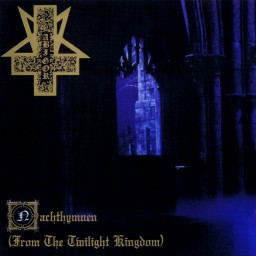
While I didn't mind the allegedly classic 1994 "Verwüstung/Invoke the Dark Age" debut album from this Austrian black metal trio, I wouldn't say that I was totally convinced until their underrated 1995 "Orkblut - The Retaliation" E.P. which Ben purchased on CD at the time of release. I remember it distinctly because I went to leave the house to purchase it myself, only to discover Ben playing his new CD copy in his bedroom which saw much squabbling ensuing between us. It's been a while since I've listened to "Orkblut - The Retaliation" now but I remember it being a significant step up for the band, so by the time Abigor's sophomore album "Nachthymnen (From the Twilight Kingdom)" appeared just months later, the Austrians had our complete attention.
Time has shown us that "Nachthymnen (From the Twilight Kingdom)" has gone on to be Abigor's most highly regarded release over the years but I've never found it to be any more than a passing amusement personally & I still maintain that position now. I think it's just a bit too melodic & one-dimensional for my taste & it doesn't feel all that dark for a supposedly dark & evil black metal record. I certainly really enjoy the drumming of Thomas Tannenberger which is excellent throughout, particularly his brutal blast beats. I don't think the blackened shrieks of Silenius (Amestigon/Summoning/Die Verbannten Kinder Evas/Kreuzweg Ost/Pazuzu) are very good though & the synth work is really quite cheesy at times which perhaps shouldn't surprise me given Abigor's links to Summoning who I've always struggled with. Despite what some people may say, I do enjoy the clean female vocals which pop up from time to time, even if they do feel like they've been stolen from a gothic metal band while Peter Kubik & Tannenberger 's melodic tremolo-picked guitar interplay had become somewhat of a signature for Abigor by this stage but it can sound pretty samey after a while.
"Nachthymnen (From the Twilight Kingdom)" can easily be broken up into three three-song portions in terms of quality in my opinion. The first trio of songs are all pretty decent but things only really heat up for the middle section of the album comprised of "Dornen", "As Astral Images Darken Reality" & "The Dark Kiss" before things settle back into the sort of standard we heard earlier in the release for the remainder of the tracklisting. There aren't any obvious duds included but I wouldn't say there's anything particularly classic here either so I can't justify those sort of claims about the overall album. Still... I think most black metal fans will appreciate Abigor's second full-length, despite the flaws I mentioned earlier.
For fans of Emperor, Dødheimsgard & Lunar Aurora.
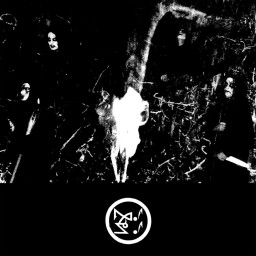
Here we have one of the crowning glories of the French "Les Légions Noires" black metal scene of the 1990's & a release that doesn't really stand up to modern scrutiny in my opinion.
Vlad Tepes was a Brest-based duo made up of Vorlok Drakksteim (Black Murder/Dzlvarv/Seviss/Susvourtre/Torture/Vèrmyapre Kommando) & Wlad Drakksteim (Black Murder/Dzlvarv/Seviss/Vèrmyapre Kommando). As you can see, these guys were involved in a whole slew of important French demo projects & I didn't mind a couple of their earlier demo tapes under the Vlad Tepes moniker at the time either (see 1994's "War Funeral March" & "Celtic Poetry") but the eight tracks included here do very little for me, despite containing much of the same material as "Celtic Poetry". What you can expect is an extremely raw & lo-fi brand of early 90's black metal that's performed in a very sloppy fashion with many of the riffs having more of a melodic feel than I'd like (kinda like Ulver's 1997 "Nattens madrigal: Aatte hymne til ulven i manden" third album in a way) & occasionally even veering into folk metal territory which triggers my yucky gag reflex. The vocals are nice & grim (think Abbath meets Nocturno Culto) but the instrumentation is pretty lacklustre in my opinion, leaving me struggling for connection across most of the eight pieces included here. 2.5/5
Bergerac's Belkètre are far more interesting in my opinion with their distorted, treble-heavy sound being highlighted by the overthetop vocal delivery of band leader Vordb Dréagvor Uèzréèvb (Black Murder/Brenoritvrezorkre/Chapel of Ghouls/Dvnaèbkre/Moëvöt/Seviss/Torgeist/Vagézaryavtre/Zelda) who is ably supported by Aäkon Këëtrëh (Torgeist/Zelda) to give us a much more engaging eight pieces of ultra lo-fi & primitive French black metal. I have some time for Belkètre's 1996 "Ambre Zuetki Vuordrevartre" demo tape & I get a similar level of enjoyment out of their contribution to this split album which arrived the previous year. The interludes don't do anything for me at all but the proper songs are all pretty decent, although they're definitely held up by the demo-quality production & fairly sloppy performances. I guess that's kinda the point here though as neither band are looking for accessibility, quite the opposite in fact. When taken holistically though, Belkètre's side of the release is the reason for exploring "March to the Black Holocaust" as far as I can see. Unfortunately, it's charms are overcome by the inadequacies of Vlad Tepes' contribution so I can't in good conscience recommend this supposedly classic record. 3.5/5
For fans of Mütiilation, Torgeist & Black Murder.
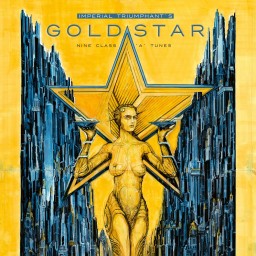
Another high-quality record from this unusual New York trio, possibly their finest work actually. Guitarist Zachary Ezrin (Folterkammer) does a great job behind the microphone with his deep death growls being both powerful & well phrased. I really enjoy the drumming of Kenny Grohowski (John Frum/Secret Chiefs 3/Titan to Tachyons) too while Sarmat bass player Steve Blanco also provides us with a capable performance. The black metal component of the Imperial Triumphant's 2010's era is long gone by this point with "Goldstar" sitting more comfortably under an Avant-Garde/Experimental Death Metal tag in my opinion. Even the dissonant elements are probably not consistent enough to call this full-blown dissonant death metal. There's a lot of progressive metal & tech death influence here though too. Unsurprisingly, I find "Goldstar"s best moments to be when the boys simply go hell for leather with the more frenetic & aggressive phases being the most effective & often marrying up with the simpler sections of the album but that's not to say that the more experimental parts of "Goldstar" aren't impressive as they're very smoothly incorporated for a record that jumps around so much. If you exclusively like your death metal of the old school variety then you'll wanna steer well clear of this release but those that like a bit of ambition & creativity should find it to be universally interesting because there's no doubt that it's a classy effort by a forward-thinking extreme metal outfit.
For fans of Pyrrhon, Ad Nauseam & Portal.
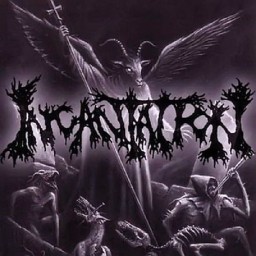
While I really dug 1992's "Onward to Golgotha" debut album, it was New Jersey death metallers Incantation's 1994 sophomore full-length "Mortal Throne of Nazarene" that really made me into a full-blown worshipper, so much so that I bought 1995's "Upon the Throne of Apocalypse" CD blind upon release without realising that it was in fact a different mix of the same album. The band apparently hated the previously released mix of "Mortal Throne of Nazarene", preferring an earlier rough mix to the one that eventually saw the light of day. "Upon the Throne of Apocalypse" shows why & in no uncertain terms too because it's an absolute beast of a record, highlighted by one of the most punishing & cavernous bass-heavy sounds the metal world had heard to the time. The slower material is taken to another level here while the faster sections sometimes lack the intelligibility of its predecessor so I'd suggest that it's really just a matter of taste as to which version of the album you prefer. Personally, I've always preferred this one but both are genuine classics as far as I'm concerned with songs like "The Ibex Moon", "Iconoclasm of Catholicism", "Demonic Incarnate" & incredible opener & clear album highlight "Abolishment of Immaculate Serenity" sitting amongst Incantation's finest work.
The incredibly deep death growls of guitarist Craig Pillard (Disma/Methadrone/Evoken/Goreaphobia) are an absolute masterclass in monstrous atmosphere while Jim Roe's (Disciples of Mockery/Goreaphobia) battering yet precise drumming is also worth mentioning. Bassist Dan Kamp (Crucifier) & guitarist John McEntee (Funerus/Goreaphobia/Mortician/Revenant) chime in beautifully throughout too with some of the best down-tuned tremolo riffing you could ever wish for. If only it was possible to make out those more blasting sections where the percussion becomes a little over-powering... Oh well... you can still take solace in the fact that the doomier parts of the album are utterly mind-blowing. 1998's "Diabolical Conquest" may always be my favourite Incantation record but this one is a pretty close second & should be essential listening for all members of The Horde.
For fans of Immolation, Dead Congregation & Disma.
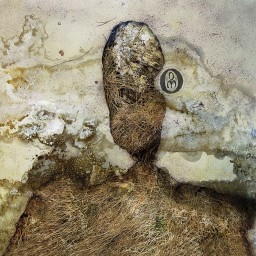
I first encountered Romanian black metallers Negură Bunget through the tape trading scene back in the mid-1990's with their 1996 "Zîrnindu-să" debut release not doing very much for me to tell you the truth. I wouldn't encounter them again until Ben introduced me to their fourth full-length "OM" upon my return to metal from a decade-long hiatus in 2009 & I have to admit that I initially found it to be a challenge for a few reasons. Time saw me warming to it though & I now find myself returning to "OM" semi-regularly, if not claiming it to be the masterpiece that many punters would have you believe it is.
"OM" possesses a very clear personality that's all its own with its array of different sounds & influences being presented in a fairly coherent way throughout & the main attraction being the full, lush synthesizer sounds of front man Hupogrammos (Dordeduh/Sunset in the 12th House) & fellow guitarist Sol Faur (Dordeduh/Sunset in the 12th House). Hupogrammos' vocal performance is passionate & authentic too which fits the requirement nicely. Unfortunately, all is not roses though with the thin rhythm guitar tone & weak snare sound leaving a little to be desired & not doing a very good job at masking the instrumentalist's obvious technical limitations. The six-string performances of both men are fairly sloppy at times while drummer Negru's blast beats are an absolute rabble that should never have been attempted on the evidence presented here. Thankfully though, the atmospherics on display throughout "OM" are generally quite stunning which allows the album to overcome those deficiencies reasonably comfortably. It certainly helps that the opening three tracks are nothing short of marvelous & it's a little disappointing that the quality dial never quite reaches those heights again for the remainder of this lengthy 67-minute release. Progressive folk metal number "Hora soarelui" is the only genuine disappointment included though with its bouncy folk melodies being a little too much for this battle-hardened extreme metalhead to cope with.
For all its failings, I find "OM" to be an endearing listen these days, as well as being the clear career high-point of Negură Bunget's inconsistent recording career overall.
For fans of Dordeduh, Marțolea & Darkestrah.
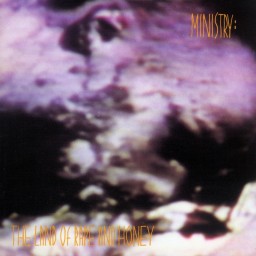
I introduced Ben to these Chicago industrial metal legends through the more popular tracks from their classic 1992 fifth album "ΚΕΦΑΛΗΞΘ [Psalm 69]" shortly after it was released & those experiences saw him racing out & purchasing the CD post haste. We both went pretty nuts for that record for a long while afterwards & Ben would subsequently go about picking up a handful of other Ministry CDs in the coming months, including 1988's excellent "The Land of Rape & Honey" third album which is the centre of this discussion. It was the first Ministry record to see mastermind Al Jourgensen's signature sound starting to take shape with songs like the brilliant high-octane industrial metal anthem "The Missing" & the very solid industrial rock/metal hybrid "Deity" being closest to the mark. "The Land of Rape & Honey" is very much a story of two halves though with the B side being dominated by more of an electro-industrial sound like we'd heard on a chunk of Ministry's more-than-decent 1986 sophomore album "Twitch". For this reason, I'm gonna suggest that "The Land of Rape & Honey" feels a little like a transition record as it hasn't quite committed to its sound as yet but is still full of high-quality industrial music. Thankfully, I'm more than down for some well-produced electro-industrial material, as evidenced by how nuts I've gone for the powerful dancefloor number "You Know What You Are" this week which I'm pretty devastated I never considered dropping into my club sets while DJing during the 2000's. The quality does fade a little over the last couple of tracks though with electro closer "Abortive" in particular sounding like a bit of a mess.
I'm sure there's probably a bit of a nostalgia factor with how much enjoyment I've gotten out of this release this week but I'm gonna suggest that it's a slightly better record than 1996's highly regarded sixth full-length "Filth Pig" or the previously mentioned "Twitch", even if it doesn't reach the upper echelons of Ministry's potential like the incredible trio of "The Mind is a Terrible Thing to Taste", "In Case You Didn't Feel Like Showing Up (Live)" & "ΚΕΦΑΛΗΞΘ [Psalm 69]" did during their 1989-1992 heyday. Any Ministry fan worth their salt should definitely be well versed in "The Land of Rape & Honey" though because Al hasn't produced anything of this quality for well over three decades now.
For fans of Skinny Puppy, Front 242 & KMFDM.
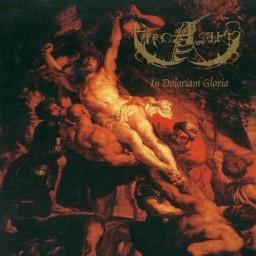
Ben picked this debut album up on CD back at around the time of release & seemed to like it quite a bit from memory. I traditionally used to struggle with it though so I haven't returned to it since but I thought I'd give it another chance to impress me this week. Parnassus was a one-man solo project from a Swedish gentleman going by the name of Fredrik Söderlund who you may also know as one half of martial industrial act Puissance. "In doloriam gloria" sees him presenting us with a clear musical direction that's built around some fairly unintimidating & positive sounding keyboards that have been consciously brought right to the front of the mix with the lightning-fast, tremolo-picked guitars & continuous bombardment of high-velocity (not to mention quite repetitive) drum-machine blast-beats being left at the back & sounding pretty thin for the most part. The atmosphere is undeniably centred around fantasy with that Lord of the Rings style feel being pretty easy to buy into. Personally, I find most of this to be far too high on lightweight melodies for my taste so I only really find myself enjoying a couple of the eight tracks on offer, namely the half-decent "Void of All Desires" & the hypnotic instrumental interlude "Cum trist issimo dolore". The rest of the tracklisting is more or less none of my business but I'd be overstating things to call it low quality. It's just designed for a fairly niche audience that I'm not associated with so, on this occasion, I'm gonna have to leave Ben to galivant around his bedroom in his Parnassus undies all on his lonesome (not that I'd ever consider joining him in that undertaking anyway because... let's face it... I don't have a plastic Viking sword & helmet worthy of the exercise). After my initial experiences with this debut, I steered well clear of Söderlund's 1997 sophomore album "Let the Stars Fall & the Kingdom Come" so I have no idea how it compares with "In doloriam gloria".
For fans of Dies Irae, Eldrig & Tartaros.
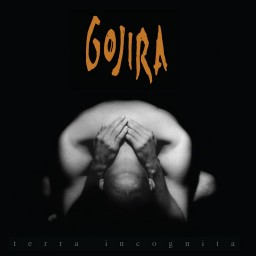
I came to Gojira a little late given that I was well & truly in my electronic dance music hey day when their 2001 debut album "Terra incognita" was released so I didn't end up discovering them until around 2009 when Ben introduced me to the masterful "From Mars To Sirius" which I immediately fell in love with & still regard as a genuine death metal classic today. That awakening would very quickly see me making the effort to explore all of Gojira's other work & there was plenty of quality to get my teeth into too, if not any additional classics to compete with their 2005 pièce de résistance.
"Terra incognita" sees Gojira at their most deathly with their sound being built around a death metal core but still being progressive enough for a progressive death metal tag. There's also a clear groove metal component that ensures that the Frenchmen are kept slightly apart from their peers &, interestingly, I feel that it's this element that sees me being unable to ever really consider a record like this one for my most elite scores, despite the clear talent in the execution. The fairly technical staccato riffs are deadly tight with extreme competence on display in the precision performances & drummer Mario proving himself to already be very competent. I tend to like Joe's vocals more when they veer further towards your classic death grunt rather than a less intimidating groove metal one which is hardly surprising as the extreme metal scene is obviously my comfort zone.
It may not receive the praise that later albums like "The Way Of All Flesh" or "L'enfant sauvage" do but I think "Terra incognita" actually competes very well with them if I'm being honest & it can certainly be mentioned in the same breath as the underrated "Magma" too, although I think I'd probably have it slightly behind all three due to its inability to see me reaching for the classic card with any of the fourteen tracks on offer. Still, it's an underrated & generally overlooked part of the Gojira back catalogue that's well deserving of the attention of our The Horde & The Infinite members.
For fans of Hacride, Trepalium & Decapitated.
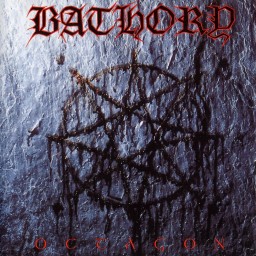
OK, so I'm sure there will be a few people who will question my having awarded the universally-panned eighth full-length from Swedish black/Viking metal godfathers Bathory a decent score & I would have sat in that camp when I first heard it at the time of release too but it's honestly nowhere near as bad as people make it out to be. Sure, the production has intentionally been kept as raw as fuck & Quorthon's vocals aren't gonna win any awards but surely we were all used to his vocal deficiencies by that stage & the song-writing isn't half bad most of the time, if never threatening to deviate from the classic underground thrash metal sound.
Quorthon said at the time that Bathory had backed themselves into a creative corner after 1991's "Twilight of the Gods" by releasing ever more epic albums so he was looking for the next step in terms of style. He ended up releasing a grunge solo album in 1994 so as to tick off a bucket-list goal he'd always had & it felt great to be able to simply create something he'd wanted to for a long time without worrying about what his fan base thought. Some of his fans had been telling him that they missed his older, rawer Bathory material so he decided to make a raw, DIY-style thrash record for fun with 1994's "Requiem" being the result. He enjoyed the process so much that he followed it up with "Octagon" around six months later & both were brutally criticized by fans & critics. I agree that "Requiem" was subpar but "Octagon" is a little better in my opinion, if being noticeably simple in its construction. Sure, there are a few duds to be found here (see "Century", "War Supply" & "Judgement of Posterity") but there are also some very solid inclusions like "Sociopath" & "Schizianity" & the wins comfortably outweigh the losses. I even quite like the fairly faithful rendition of KISS's "Deuce" so I guess it's fair to say that "Octagon" is a guilty pleasure for me these days. It's strange how time can sometimes change your perceptions so much, isn't it? I can do without the sections that look to tackle the classic Anthrax sound though as they fail dismally.
For fans of Kreator, Slayer & Celtic Frost.
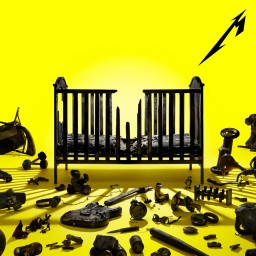
I've certainly taken my time getting to Metallica's latest full-length but that's perhaps no surprise when you consider that I haven't enjoyed any of their albums since the Black Album way back in 1991. Things were looking up early in my initial listening experience though with Rhino Bucket guitarist Greg Fidelman's crisp & well-separated production job giving this material the chance to fully capitalize on any merit that can be found in the song-writing. The first three songs are all pretty decent too so there was some reason for optimism. Sadly though, despite being arguably the best record Metallica have produced since 1991, "72 Seasons" suffers from many of the same misguided failings as 2016's "Hardwired...to Self-Destruct".
With twelve lengthy songs spread across a gargantuan 77-minute run time, this record is incredibly self-indulgent with every idea being milked for far longer than it has any right to be. There are also more losses than there are wins here, although admittedly none of those losses are as bad as the weaker inclusions on some of their other post-Black Album releases. The tightness in the performances is part of the reason for that as this is a clinically produced record that's been meticulously compiled to be as perfect as it's humanly possible to be with each component having been layered in just the right pocket. Unfortunately, the age of the various band members is certainly showing at this point though. Jame Hetfield's vocals have been pretty annoying for a long time with little of the aggression of a record like "...And Justice For All". Lars' drumming is very basic & quite rocky, seemingly attempting to emulate AC/DC drummer Phil Rudd a lot of the time which may suit the crunchy hard rock-infused production job but was never going to afford the riffs maximum metallic incision. And Kirk's guitar solos are incredibly uninspired, seemingly having been phoned in & offering nothing much to enhance the song-writing. There are a couple of stretches that have seen me enjoying myself though &, like with all of Metallica's modern-day records, those stretches live up to their name by squeezing every last drop of value out of their instrumental & vocal hooks. The opening three songs mentioned earlier are backed up by the one-two punch of "Chasing Light" & my album highlight "If Darkness Had A Son" to give me some sort of respite from the drearier material like "Crown of Barbed Wire" & "Too Far Gone?".
Overall, this isn't a horrible Metallica record but it's not one that I'd recommend to anyone either. It's just another example of how this ridiculously popular band has become so incredibly detached from their original fanbase & any sort of reality with self-indulgence being the driving force behind their ongoing existence. Despite the inclusion of a couple of thrashers here & there, I've long since accepted that Metallica are no longer a thrash metal band per se so it's not about that. "72 Seasons" simply isn't a high-quality heavy metal album when compared with the rest of the modern-day global metal market so it's not deserving of the attention it's received from an audience that is unwilling to dive deeper than what's fed to them by the commercial media.
For fans of mid-90's Megadeth, "The Ritual"-era Testament & post-2000 Anthrax.
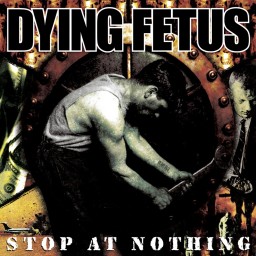
Another Dying Fetus record, another decent (if middling) score from me. I inevitably feel very much the same about all of the Maryland brutal death metal establishment's releases in that they all offer some level of appeal for me with their relentless brutality but lose points for their style-over-substance approach to song-writing. "Stop at Nothing" (Dying Fetus' fourth full-length album) isn't their one of their strongest records but it is another very consistent one with the quality levels tending to stay very stable throughout with only disappointing close "Vengeance Unleashed" seeing my enjoyment factor dipping a little. The production isn't amazing with the drum sound being noticeably clicky which doesn't do drummer Erik Sayenga any favours. The dual vocal attack is in full effect though & I'm glad that John Gallagher & co. don't allow the practice session-style technicalities to get out of hand as I've never thought that they added a lot to Dying Fetus' sound to be honest. As always with a Dying Fetus record, their signature mid-tempo, hardcore-inspired slam riffs are a highlight &, despite its flaws, I don't think "Stop at Nothing" will lose too many of the band's pre-existing audience even if it's certainly nothing particularly special.
For fans of Suffocation, Misery Index & Skinless.
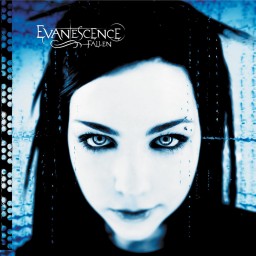
The only experience I had with this female-fronted Arkansas alternative metal outfit was through their latest album "The Bitter Pill" which I reviewed when it was our feature releases back in 2021. Not only did I find that record to be seriously underrated but I also quite enjoyed the experience so I always intended on checking out some of their more popular work at some point, if only to satisfy the unrelenting completist in me. Well, 2003's "Fallen" sophomore album is clearly the Evanescence record of choice for most fans of the band & includes a number of big hits that most metal & rock fans would know very well, even if they've never actively gone out of their way to investigate the album they're taken from. After giving it a few spins this week I've come to the realisation that it's a hit & miss record in my opinion with a good 45% of the tracklisting offering me very little appeal. Thankfully though, the other 55% is very solid indeed which gives "Fallen" enough value to see me coming out of the experience feeling quite positive, if not quite as positive as I did with "The Bitter Pill".
Evanescence's signature sound was forged with this record which champions an alternative metal sound that also draws influence from nu metal, symphonic metal & gothic metal at times. The vocals of Amy Lee are obviously the main focal point as the instrumentation isn't anything terribly interesting or creative & I was happy to find that she's well up to the task too with her tone being both powerful & pure. The incredible adult contemporary number "My Immortal" is the clear highlight of the album but nu metal super-hit "Bring Me to Life", the ultra-catchy "Tourniquet" & the stripped-back piano ballad "Hello" are all very solid & professional inclusions too. The weaker moments are generally aligned with the weaker vocal hooks though which makes it even more apparent that Evanescence lives & dies by the skills of their front woman to control the narrative.
I'm not gonna say that "Fallen" is essential listening because its creative statement is not significant enough for that but it's certainly a bit of fun that most rock/metal fans with do well not to find some enjoyment in. It's interesting that "The Bitter Pill" has been so heavily slandered in comparison because I don't think that's warranted given that I actually prefer that record over this one. I think the fact that "Fallen" is a little more obvious & immediate is what gives it the edge for most listeners but I slightly prefer the added maturity & depth of Evanescence's latest work. Regardless, it's easy to simply allow both to pass you by under the premise that they're none of your business but if that's your position then you might just find yourself missing out on an attractive hook-laden three-quarters of an hour of alternative metal.
For fans of Within Temptation, Lacuna Coil & We Are the Fallen.
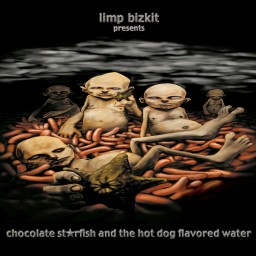
If there's one thing that most of our regulars would know about me by now, it's that I call 'em purely as I see 'em & I don't give a fuck what the general consensus is. I like to make up my own mind about things & won't be swayed by what the cool crowd thinks. With that in mind, this week I decided that I really should have an informed opinion on one of the most successful yet heavily divisive metal acts on the global scene in Florida's Limp Bizkit. I'd never heard a full record by them before as I'd always assumed that they'd be none of my business up until now but, you know what, this shit ain't half bad. These dudes certainly know how to write a catchy hook, how to play their instruments & how to create a throbbing mosh pit anthem.
I was surprised at how many of the fifteen tracks I knew as there was clearly a whole slew of hits taken from this record but it wasn't always the well-known stuff that I found the most appeal in. Another thing that I perhaps wasn't prepared for was just how good a rhythm section Limp Bizkit had at the time, particularly the bass guitar which really drives a lot of this material. I don't think there's any doubt that front man Fred Durst's personality is what turns off most metalheads & I can see why as his message can often be summarized as meathead fodder but his macho posturizing can't disguise the obvious Eminem influence in his whiny rapping which I would suggest comes across as nothing more than tolerable. In fact, the rap component in Limp Bizkit's sound is really significant (perhaps more so than most nu metal bands) & that's usually the element of the subgenre that I struggle with the most but I've somehow managed to overlook it here, despite Durst being one of the more overt exponents of the craft. And once I managed to look past his immature personality to the groove-laden music behind him, I discovered that Limp Bizkit had more creativity in their kit bag than I'd ever given them credit for.
All of the hits are pretty enjoyable to tell you the truth with "My Way" being my pick of the bunch but it's the strength of some of the album tracks that surprised me the most with "The One", "Getcha Groove On", "Boiler" & particularly the outstanding album highlight "Hold On" really getting under my skin. Unfortunately, the album is book-ended by some much weaker material though with opener "Hot Dog" falling victim to Durst's idiocy, the Urban Assault Vehicle version of "Rollin'" being a total mess & the almost ten minute "Outro" track being absolutely pointless & a complete waste of your time. The remainder of "Chocolate Starfish & the Hot Dog Flavored Water" is well worth hearing though & provides further proof that you shouldn't believe everything you read. Perhaps I won't go running out to indulge in the remainder of Limp Bizkit's back catalogue any time soon but I can honestly say that this record isn't any worse than the majority of the subgenre, even if it doesn't compete with Linkin Park or Korn's best work.
For fans of Korn, System of a Down & P.O.D.
I've been aware of Kentucky metalcore outfit Knocked Loose for three or four years now. I picked up on their highly regarded 2021 "A Tear in the Fabric of Life" E.P. shortly after it hit the shelves & found myself quite liking their heavyweight take on the genre. It would appear that the promise the five-piece band had shown on that earlier release was not a one-off either with Knocked Loose's recent third album "You Won't Go Before You're Supposed To" taking the hype register by the scruff of the neck & dragging it into rarely explored territory, even seeing the album becoming arguably 2024's most talked about metal record. After my experiences with "A Tear in the Fabric of Life", I felt pretty positive about the prospect of returning to Knocked Loose for another dose of aggressive metalcore, this time in a full-length album format.
The "You Won't Go Before You're Supposed To" album would once again be released through Californian punk label Pure Noise who Knocked Loose had been working with for a number of years by this stage. It would be produced by American Drew Fulk & is the first Knocked Loose full-length to feature second guitarist Nicko Calderon. The result is a huge, loud & in-your-face sound which makes the listener instantly stand up & take notice. The over-saturated guitars are bright, vibrant & extreme, very much enjoying the backing of a heavyweight rhythm section that drives this material with a no-holds-barred approach that is further accentuated by the consistently violent contribution of front man Bryan Garris whose vocal chords must have been a complete mess after this throat-shredding collection of anger-fueled tunes. He absolutely screams his fucking head off for the entire runtime of the album to be honest but, while some may say that he's s a little bit of a one-trick pony, in the context of such a short record (whose ten songs clock in at just a little over twenty-seven minutes) I never find him overstaying his welcome.
This stuff isn't anything terribly original but it's stunningly executed by an artist that is clearly one of the leaders in their field these days. If you find the classic metalcore breakdown to be tired & difficult to sit through then you may find yourself struggling with "You Won't Go Before You're Supposed To" because it's absolutely stuffed full of the fuckers. They're admittedly done very well though & the ADD-fueled arrangement ensure that they never hang around for too long before moving into something else either. The transitions are actually very well done when you consider how hyperactive & chaotic the song-writing is & I never get that jarring feeling that I inevitably experience when a band simply slap two widely disparate musical ideas together in a haphazard fashion here. Knocked Loose are a more professional act than that with even the odd jumpy nu metal riffs appearing to be fairly well placed.
Look... "You Won't Go Before You're Supposed To" certainly isn't gonna change too many people's opinions on the metalcore genre as it's more of a celebration of everything that its existing fans love about it & does it with a cheeky wink & an element of class & efficiency. It's a whirlwind of violence & vitriol which is generally what I'd suggest the genre was built to showcase in the first place, wasn't it? It pleases me that Knocked Loose don't fall into the growing glut of metalcore acts that seem to have forgotten their hardcore roots too with this material being built on a gritty base of punk urgency. The inclusion of a couple guest appearances help to break things up too with Poppy & Motionless in White front man Chris Motionless making effective contributions that help to ensure that the short album doesn't feel one-dimensional. It all works well as an holistic package & leaves me with the distinct feeling that all members of our The Revolution clan should be across this album which represents one of the more important & effective statements that metalcore has made in recent years.
For fans of Jesus Piece, Kublai Khan TX & Varials.
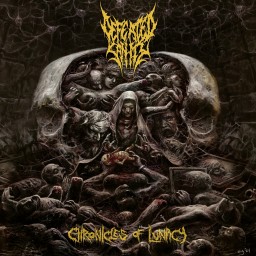
The brutal tech death subgenre is an interesting case to observe really because there doesn't seem to be any necessity to create something original in the modern-day market. The appeal comes more from just how pummeling & complex the compositional work is & that's rarely so apparent as it is with highly regarded German four-piece Defeated Sanity who have been a mainstay of the scene for a good couple of decades now. I've always enjoyed these guys since first discovering them through their excellent 2007 sophomore album "Psalms of the Moribund" upon my return to metal in 2009. Since then, Defeated Sanity have been extremely consistent in their ability to dazzle death metal aficionados with incredibly brutal yet wildly technical arrangements that push the limits of song structure to breaking point. At times you can even see these Germans jumping straight over that threshold & looking back at you with maniacal smiles on their faces while giving your expectations an emphatic middle finger. They certainly did that with their last record "The Sanguinary Impetus" which I really enjoyed & they do similar things with their brand-new seventh full-length "Chronicles of Lunacy", so much so that I think I could probably cut & paste my review of the former given that my feelings are almost identical.
"Chronicles of Lunacy" marks Defeated Sanity's first release with French metal label Season of Mist & was recorded at The Thousand Caves, Queens in New York City in January last year. The band's lineup has changed slightly following the acquisition of American guitarist Vaughn Stoffey who joins band leader & drummer Lille Gruber (Ingurgitating Oblivion/Cenotaph/Sinners Bleed), bassist Jacob Schmidt (Metharoma) & vocalist Josh Welshman to create a new four-way attack that's a better fit for live performance with Gruber handing over the guitar duties he largely handled himself on Defeated Sanity's previous album. You wouldn't know it from results as things come together in a very similar fashion to the way they did five years ago with the Germans producing another record that lean hard on the boundaries of the genre from a purely technical point of view while never being tempted to vary from the description on the box. You see, Defeated Sanity simply do what they do & if you don't like it then you can politely fuck off. They create incredibly brutal music which is covered in light-speed gravity blasts, classy bass licks & unapologetically complex rhythmic arrangements that are clearly designed to make the listener stand up & take notice. As usual, there are times when the band goes too far with their commitment to unusual time signatures for their own good & there are a good few riffs on offer that simply don't make sense but you can accept that from Defeated Sanity as it's somewhat of a trade-off for the relentless & violent assault that brutal death metal fans will no doubt be frothing over. Producer Colin Marston (Gorguts/Krallice/Dysrhythmia/Encenathrakh) does a great job at ensuring that the arrangements stay together all things considered.
"Chronicles of Lunacy" doesn't offer anything you haven't heard before from Defeated Sanity but it does do it all with efficiency & consistency which makes it an invariably entertaining listen that I rate very similarly to the band's last album. If pushed I'd probably take "The Sanguinary Impetus" over it just slightly but I can't see too many brutal/technical death metal fans not enjoying this record, perhaps only those that struggle with the continuously changing, ADD-fueled arrangements. The genre's calling cards are all there though with the brutal vocals being a clear highlight. Brutal death metal fans are generally starved of significant releases that the rest of the world pay much attention to but it's nice to have a band that inevitably have the underground scene talking & can be relied upon to deliver a high-quality product every few years, isn't it?
For fans of Wormed, Deeds of Flesh & Disentomb.
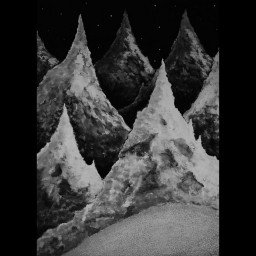
Swiss atmospheric black metal solo-act Paysage d'Hiver has been somewhat of a mainstay of my extreme metal diet since first discovering Darkspace guitarist & Kunsthall Produktionen label owner Tobias Möckl (or Wintherr as he likes to known as) through the 1999 self-titled Paysage d'Hiver demo some ten years after initial release. While I do think that demo was a touch overrated as I'm not sure I can say that I believe it to be a genuine black metal classic, a number of Paysage d'Hiver's subsequent releases have seen me being taken further into the deepest depths of some of the darkest & most frostbitten Scandinavian landscapes in existence. I should highlight 2001's classic "Winterkaelte" demo & Wintherr's spectacular 2020 debut album "Im Wald" (my personal favourite) in particular as well as 2013's excellent "Das Tor" as essential examples of the atmospheric black metal sound although there is plenty of quality to be found across the vast majority of Paysage d'Hiver's esteemed back catalogue. Which leads me to the Swiss icons latest release, the 2024 sophomore album "Die Berge", another immense & undeniably lengthy slab of icy black metal designed specifically to take the listener to unfamiliar & very imposing places. My anticipation for this record was very high so I wasted no time in checking it out as soon as it was released a couple of months ago but knew full well that it would require a significant investment of time to fully understand so waited until my traditional January new release purge to review it in full.
"Die Berge" sounds very much as you would expect from a new Paysage d'Hiver record to be honest. Wintherr maintains complete creative control of his project, producing every second of the album himself & releasing it through his own label. The production is (unsurprisingly) as cold as ice, fully embracing the traditional lo-fi aesthetic that Möckl has played such a role in popularizing over the years to great effect with the textural guitars blurring together in a wall of fuzzy noise which sees the synthesizers often being tasked with maintaining the melodic component. Wintherr's vocals are certainly more deathly than you would usually expect on a black metal release, sitting largely in space that's usually consumed by the death metal crowd, but his truly monstrous tone & unnerving delivery is one of the clear highlights of this admittedly fairly indulgent release. My main gripe is an obvious one however. It's not surprising to find Wintherr employing a drum machine to produce the drum tracks as that's a very common thing amongst the atmospheric black metal crowd these days but it's the way that he's done it that bothers me a little. The slower material isn't such an issue but I can't deny that the faster pieces (particularly the relentlessly brutal "Ausstieg") are effected by the fact that the drums sound so obviously artificial & offer so little in the way of fills, rolls or variety. In a seventeen minute track that rarely ceases in its use of blast-beats, that can be a challenge & I can't deny that it's affected my overall score which is a testament to just how incredible Wintherr's understanding of the black metal genre is. You see, the rest of the music here is nothing short of historic with some of the pieces even challenging the great Burzum records of the mid-1990's for sheer dark & otherworldly atmosphere. I honestly don't think there is anyone in the modern scene that can touch Paysage d'Hiver in this regard.
The tracklisting is without blemish but there are a number of songs that need to be highlighted as genuine black metal classics in my opinion. The best of these can be found in the savage "Verinnerlichung" & the trance-inducing "Transzendenz III", both of which are about as perfect as representation of the black metal genre as you'll find. Opener "Urgrund" & the more stripped back, Burzum-inspired "Transzendenz II" aren't too far behind either & would surely be lapped up by any self-respecting member of our The North clan. Epic closer "Gipfel" is worth mentioning too as it takes an instrumental doom/death approach that stands out as being a bit different for Wintherr. It's done very well though & makes for a solid way to end the 103-minute journey through the some of the least habitable places on the planet.
"Die Berge" is another Tobias Möckl masterpiece as far as I'm concerned which makes the impact of the drum programming even more frustrating than it might otherwise have been. You see, I can easily see this record being one of the great black metal albums of all time but it's taken down a peg by those mechanical rhythms that often detract a little from the precision that Paysage d'Hiver goes about creating his transformative art. The rest of the instrumentation is simply so primitive with the vocals being summoned up from the very back of the darkest cave in all the world so the mechanical, artificial nature of some of the beats seems to fight against it to an extent. Thankfully, Wintherr is a master technician of his craft so I still can't help but to buy into the product he's pushing. No one has come this close to touching Varg Vikernes in all the years since 1996's life-changing "Filosofem" fourth Burzum album but I'll be damned if Möckl doesn't match him here on occasion which has resulted in my second-favourite Paysage d'Hiver release behind "Im Wald". "Die Berge" should be essential listening for devotees of the more atmospheric end of the black metal spectrum.
For fans of Darkspace, Lunar Aurora & Burzum.
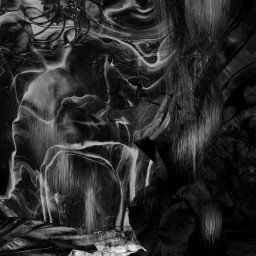
While my initial experiences with Oranssi Pazuzu certainly showed some promise, I think it’s fair to say that I’ve been blown away by just how far the Finnish extreme metal act have taken their sound over the course of their eighteen-year existence to date. They were clearly always one of the more ambitious black metal artists in the scene, even going right back to their 2009 debut album “Muukalainen puhuu” which already displayed some of the psychedelic attributes that the band would build their reputation on, but that doesn’t really prepare you for what’s in store for you on the last couple of Oranssi Pazuzu albums because they’re a completely different animal these days. My early experiences with their debut saw me marking the Fins as a band to keep my eye on & I’ve kept up that commitment in all the years since. While I struggled a little with their 2011 “Kosmonument” sophomore record, things started to take a steep upward trajectory with 2013’s “Valonielu” before hitting an incredible creative peak in 2016 which is still showing no signs of relinquishing its hold on me. The “Värähtelijä” & “Mestarin kynsi” albums were utterly sublime, particularly the latter which I now regard as one of the most perfect metal releases ever recorded. 2017’s “Farmakologinen” E.P. was also brilliant & I got a great deal of enjoyment out of the “Live at Roadburn” live album too so it’s not terribly surprising that I’ve maintained a huge level of anticipation for Oranssi Pazuzu’s brand-new sixth full-length “Muuntautuja”, a release that's been a long four years in the making. That faith has been rewarded too as Oranssi Pazuzu’s latest effort is another triumph for the Finnish group.
“Muuntautuja” represents Oranssi Pazuzu’s second album for well-known German label Nuclear Blast & would see them once again collaborating with Julius Mauranen who produced “Mestarin kynsi”, this time handling the majority of the production duties themselves. The resulting record is another masterstroke of class & creativity that further blurs the boundaries of the black metal genre. In fact, I’m gonna have to suggest that, not only have Oranssi Pazuzu finally done away with black metal as an instrumental tool (they arguably had on the last couple of albums to be fair), but they’ve actually transcended metal music in general with the vast majority of “Muuntautuja” exploring a vastly more expansive palate of musical influences. While my take on both “Värähtelijä” & “Mestrin kynsi” was to label them as blackened post-metal, “Muuntautuja” draws upon a wide variety of noise rock, trip hop, dark ambient & progressive electronic sounds for inspiration, often in unusual ways too. It’s only the imposingly dark black metal shrieks of guitarist Juho Vanhanen (Atomikylä/Grave Pleasures/Haunted Plasma/Waste of Space Orchestra/Kuolleet Intiaanit) that remind the listener that they’re actually listening to a product of the extreme metal scene but they’re brutal enough to maintain the metal link for the time being in my opinion & I think, when taken as an holistic piece of art, the best tag for a record like “Muuntautuja” is probably avant-garde black metal. The last couple of Oranssi Pazuzu records have seen people (incorrectly in my opinion) wanting to utilize that avant-garde metal tag but this time I feel that it’s genuinely warranted.
As for who has provided the musical inspiration for a record like “Muuntautuja”, I don’t think the album does much to hide the Oranssi Pazuzu’s influences. The driving & repetitive rhythms come fueled by a noisy aesthetic that’s been borrowed from artists like Sonic Youth, Death Grips & My Bloody Valentine with the electronic beats & basslines have clearly come from the Bristol trip hop scene that spawned incredibly creative acts such as Portishead & Massive Attack, two of my favourite artists of all time. The most significant influence I pick up though, & one that I haven’t seen mentioned anywhere to date, is that of Radiohead’s more expansive & experimental post-1990’s releases which sees the band playing in spaces that I hold very closely to my own heart given that I also regard Radiohead as one of the most significant bands in my lifetime. It all works splendidly too with the sum of those influences being portrayed in new & exciting ways. I don’t think it’s a coincidence that the majority of Oranssi Pazuzu’s lineup have been together since the band’s inception as it’s clearly allowed them to gradually take the indulgent musical journey they have & it’s once again resulted in a fascinating & captivating listen. There's just something about an artist that can soak up a broad array of styles & present them so successfully with their own spin that commands my utmost respect. I think it's something that I recognise as something that I always struggled to achieve personally, too often simply making decent replicas of my favourite records but rarely creating something entirely new that's just as compelling.
The highlights of the album come through the cripplingly savage vocals of Vanhanen & the driving basslines of Toni Hietamäki (Atomikylä/Waste of Space Orchestra) in my opinion but those trip hop beats are also exceptional with keyboardist Ville Leppilahti (Waste of Space Orchestra) doing a wonderful job with the atmospherics. The tracklisting is chock full of spectacular moments too with the vast majority of the record falling into transcendent territory. My picks of the bunch include opener “Bioalkemisti” (my personal favourite), short dark ambient interlude “.”, repetitive post-metal builder “Ikikäärme” (which I'd suggest falls closest to the last couple of albums in terms of style) & dark progressive electronic closer “Vierivä usva” but there are just so many incredible inclusions in this star-studded lineup of material that I could just as easily have picked belters like “Voitelu” or “Hautatuuli”. This album simply sounds so fresh & new, despite its sources of inspiration largely having been around since the start of this century or earlier & that’s what truly great artists can do. They manage to bring a timelessness to their art that others can only dream of achieving.
As Sonny mentioned in his review, it's a little hard to compare a record like “Muuntautuja” with past glories as it’s so different to anything we've heard before, concurrently challenging the listener from a number of different angles which sees it taking a while to fully sink in. Like him, I think I’m gonna place it slightly behind “Mestarin kynsi” & “Värähtelijä” in the pecking order (at least for the time being) but the gap to the latter isn’t a big one & the fact that I’ve still had to find space in my Top 100 Metal Releases of All Time to cater for “Muuntautuja” should be as strong an indication as any of just how highly I regard Oranssi Pazuzu as an elite artist. This is truly next level stuff from one of the true creative geniuses in the modern scene & it’s only the clear strength of 2024 as a pillar in the metal timeline that has seen it unable to take out top spot in my Album of the Year race.
For fans of A Forest of Stars, Blut Aus Nord & Ved Buens Ende…..
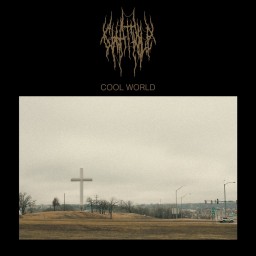
I was quite a fan of Oklahoma City four-piece Chat Pile's 2022 debut album "God's Country" going back a couple of years now. It commanded my attention off the back of some seriously relentless street buzz & didn't disappoint with its exciting industrial sludge metal sound offering me a great deal of appeal. I haven't gotten around to exploring any of the band's other releases since that time but 2024's "Cool World" sophomore album seems to be receiving a very similar amount of hype to the debut so I felt that it would be a good time to check it out with the Metal Academy Awards taking place at the start of February.
"Cool World" is Chat Pile's second full-length for American label The Flenser who pride themselves on showcasing the more experimental & artful artists in the scene. It seems to be a good fit too as "Cool World" isn't by any means a straight-forward record. It marks the first time that Chat Pile have allowed an external influence into the studio with Uniform's Ben Greenberg being responsible for the mixing. Where I felt that "God's Country" was inaccurately being tagged as a noise rock record (mainly off the back of the band's own statements as far as I can see), "Cool World" sees Chat Pile embracing their Sonic Youth influences more holistically with the noise rock sound now being the protagonist in the majority of the tracklisting. In fact, upon my first listen I have to admit that the album sounded much more rock than it did metal. Subsequent listens saw me better understanding the relationship that "Cool World" has with metal though & I can now easily identify the metal component. It's simply masked a bit by the fact that the rhythm guitars are dwarfed by the powerful bass guitar which is the sole element driving the metal flag most of the time, reminding me a lot of the filthy bottom-heavy tone of Godflesh's G.C. Green. The industrial metal influence that was arguably the strongest component of "God's Country" is still identifiable on a couple of tracks but this time I'd suggest that Chat Pile's borrow more from the English industrial metal legends sludge metal side, combining it with the noise rock of The Jesus Lizard, the post-hardcore of Big Black & the alternative metal of Helmet for a unique amalgamation of sounds. You'll definitely pick up on a number of other influences across the duration of the album too with the experimental rock of Primus & the nu metal of Korn popping up from time to time as well as other subgenres like gothic rock & post-punk. It all makes for a very interesting listen that may not be as obviously intense as the debut from a musical perspective but more than makes up for it in artistic credibility with its thematic content taking things further towards the darkside than they had previously.
The tracklisting is generally very consistent with Chat Pile proving themselves to be a class act when it comes to song-writing. There are no obviously weaker tracks included but the more experimental approach takes a bit of effort to get into & highlight tracks are rare, despite the assortment of different styles & influences on offer. The heavier alternative metal of "Masc" is the clear standout for me personally & is the best thing I've heard from Chat Pile to date but I also really enjoyed the one-two punch of "Shame" & "Frownland". "Funny Man" & "Tape" offer a little less appeal than the rest of the material but, even then, they're still pretty entertaining so I can't complain much. Sure, front man Raygun Busch doesn't go to the extraordinary lengths of aural violence that he did on Chat Pile's first album but his performance is still unanimously captivating nonetheless. I've always been a big fan of Sonic Youth's raw, experimental edge & Chat Pile exude that aura in spades with all of their musical endeavours oozing of class & integrity. They're a top-notch act that's built on a variety of influences that all command your respect, even if you may not dig each & every artist that's being drawn upon to create this unapologetically artistic record.
Overall, I think I "Cool World" might be a slightly more mature listen than the very enjoyable "God's Country" was to be honest. I've always been one that's drawn to a darker & more gratuitously artistic brand of rock & metal music so I was open to taking the leap of faith required to fully understand a record like this one. It's certainly not the most metal of releases you'll hear this year but will likely be one of the most challenging with each subsequent listen allowing the intricacies of the song-writing to open up more & more. It still maintains the psychotic elements that made the debut so great but presents them in a darker & more subtle & restrained format that promotes longevity through its additional depth. In saying all of that, I do think labelling this music as sludge metal is missing a large part of the picture as I think there's possibly even more alternative metal on "Cool World" than there is sludge. Still... as the cover says... this is a cool record that shouldn't disappoint fans of the Cat Pile's earlier work.
For fans of Helmet, Wrong & Sonic Youth.
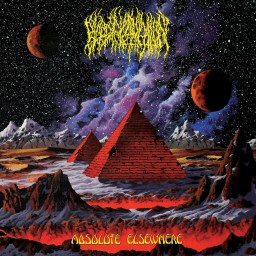
Denver-based progressive death metal four-piece aren’t the most prolific of extreme metal bands but they certainly don’t skimp on quality, invariably rising to the occasion when they do finally get around to releasing something. For that reason, there is always a huge amount of anticipation around just what it is that they’ll bring to the table creatively, perhaps even more so on this occasion given that their last release was a space ambient E.P. entitled “Timewave Zero” which I’m still yet to get around to checking out. There are certainly reasons for the group's lack of regular activity though as all four members have a number of significant musical pursuits going simultaneously &, when you look at each individual’s credentials, it’s really no surprise that Blood Incantation are a class act. I’ve been aware of them since first discovering their highly regarded debut album “Starspawn” back in 2016 & have explored all of their proper releases (with the exception of the previously-mentioned E.P.) in the time since, even going back to their less impressive 2014 “Astral Spells” demo at one point. The last full-length Blood Incantation release (i.e. 2019’s immense “Hidden History of the Human Race” sophomore album) was a massive hit in the underground metal scene & you would probably need to have been living under a rock to have missed that one. I really enjoyed it too, although I have to admit that I’ve never rated it as the undeniable classic that most extreme metal fans seem to these days. It was certainly a very enjoyable & rewarding listen though & I’ve found myself returning to it on multiple occasions since. It saw Blood Incantation reaching further into their creative pockets than they had on their debut &, in doing so, becoming a fully-fledged progressive death metal band for the first time. Off the back of that successful experiment, I think most fans (including myself) were wondering just how far they’d take things with their much-anticipated follow-up.
“Absolute Elsewhere” was recorded at Hansa Tonstudios in Germany during the summer of 2023 with American Arthur Rizk who is not only known for being a member of several prominent US bands (including Eternal Champion & Sumerlands) but is also a very experienced producer, mixer & mastering engineer with a slew of high-profile releases under his belt. The results of those sessions (which would become the band’s first release for the legendary Century Media label) represent another impressive release that sounds as professional as you’d expect. Although the album attacks a variety of disparate musical angles, it always maintains its death metal integrity & whenever the band return to their more conventional sound for a period you feel a warm rush of comfort fill your body. That’s not to say that the progressive exploration isn’t exhilarating though because it certainly is. “Absolute Elsewhere” sees the four band members tackling a variety of well-executed progressive sounds & genres, mainly drawn from the rock & electronic space. The transitions to & from the purely death metal parts can be a little jarring at times though & I think it’s fair to say that Blood Incantation rarely mix their original sound with the outside influences, instead tending to draw clear lines of delineation between the different sections.
The performances are all excellent of course. The extreme vocals of guitarist Paul Riedl (Chthonic Deity/Leech/Spectral Voice/Münn/Velnias) may not be the most unique of death growls (in fact, they are a touch generic if I'm being honest) but they are still menacing enough to be fit for purpose. His riff work with fellow guitarist Morris Kolontyrsky (Spectral Voice/Black Curse/Nekrofilth) balances old-school death metal with more expansive progressive metal structures very well which means that, despite the added sophistication, you won’t struggle to identify Blood Incantation’s classic death metal roots (see Morbid Angel, Gorguts, Death, etc). Bass player Jeff Barrett (Spectral Voice/Velnias) bubbles away just below the surface without really attempting to take the spotlight at any point while the contributions of drummer Isaac Faulk (Lykotonon/ Stormkeep/Wayfarer) tend stay within the confines of the conventional death metal model for the most part, not extending all that far into progressive indulgence which is another reason that Blood Incantation always maintain strong links to their past.
The album consists of two lengthy tracks that are broken into three parts each. The first of these pieces is called “The Stargate” & is a wonderful example of Blood Incantation’s unique style. The first & third parts of this special track take the form of your more standard progressive death metal sound with some spacey prog rock additions here & there but it’s the instrumental track that sits between them (known as “Tablet II”) that’s the real gold on this album in my opinion, seeing the foursome indulging in an exhilarating array of sounds from space ambient to progressive rock & finishing with a huge post-metal crescendo. It’s one of the best things that Blood Incantation have done in my opinion & has been something I’ve returned to a number of times on top of my usual three or four listens per visit. The second of the two long pieces is called “The Message” &, while it may not be as holistically strong as “The Stargate”, I’s still a very solid & interesting listen in its own right. Like the opener, you’ll no doubt pick up on a very strong Pink Floyd influence at times. In fact, there are parts of “The Stargate (Tablet I)” & “The Message (Tablet II)” which might as well be plagiarism to be honest because it’s just so obvious as to what Floyd songs they’re trying to emulate. I have to say that they do pull it off extremely well though & that’s saying something coming from the massive life-long Floyd devotee that I am. I’m also a really big fan of 1970's progressive electronic & ambient music & it’s pretty amazing that they manage to achieve what they have in that space here too actually as this material could easily have been pulled from some of the better releases from those genres, even feeling uncannily like the eras that have influenced them from several decades ago too.
“Absolute Elsewhere” is another excellent release from Blood Incantation but, as with their previous album “Hidden History of the Human Race”, I’m gonna have to stop short of claiming it as the classic it’s being touted as by most critics. It’s consistently strong & exudes an air of competence throughout but I can’t say that I feel dazzled by the experience. I recognise that that’s likely just a taste thing but it wouldn’t surprise me if Blood Incantation managed to break through my defenses a little more in the future given the class, vision & efficiency they conduct themselves with. I think I’d just like to hear them combining the various elements a little more to create something truly unique rather than simply pasting a lot of disparate (if admittedly very well-conceived & fully realized) parts together in a slightly jarring fashion. More attention to the transitions is also on my wishlist for the future, despite my clear adoration for the excellent progressive metal riff work on offer here. Overall, I don’t think there’s much between “Hidden History of the Human Race” & “Absolute Elsewhere” but I’ve found myself slightly favouring the former. Regardless, I don’t think there will be too many old Blood Incantation fans finding themselves disappointed with this very solid release from one of the heavyweights of the underground scene.
For fans of Timeghoul, latter-day Tomb Mold & “A Conscious Creation From the Isolated Domain: Phase I”-era The Chasm.
There are many theories about where metal music originated from in my home country of Australia & there are a generally a few different names that tend to pop up in such discussions, from Ash to Buffalo, to Taste & Bengal Tigers. But the truth is that none of those artists managed to produce a significant enough release that consistently tapped into the metal sounds we’d been hearing from other parts of the world in the first decade of the heavy metal genres existence. There were certainly of few genuine metal songs included here & there (Hell, Ash’s 1971 “Midnight Witch/Warrant” single was basically stoner metal) but there wasn’t a full album or E.P. full of music that I would class as being predominantly metal. That is, until a Melbourne four-piece by the name of Storm appeared on the scene in 1981 with their live shows doing enough to convince renowned Melbourne record store Central Station Records & Tapes to release a four-song E.P. on 7” vinyl. It would be here that we’d find the earliest of the true metal releases to come out of this country.
Storm would enter York Street Studios in Melbourne late in the summer of 1981 to record the self-produced E.P. with Central Station Records owner Jo Palumbo overseeing the project as executive producer. During the sessions, it would be discovered that there could potentially be legal implications in continuing on under the Storm moniker which had been copyrighted overseas so the band elected to change their name to Taipan, a highly venomous & distinctly Australian snake that seemed entirely suitable for the band’s incisive sound. There are conflicting reports about when the E.P. would eventually be released though, some claiming that it was later in 1981 & others suggesting that the band would have to wait more than a full year until June 1982 to see the fruit of their efforts hitting the shelves. I tend to believe it was the latter but it’s of little consequence in the grand scheme of Australian metal folklore as that still gave Taipan at least a year’s head-start on their competition.
The self-titled Taipan E.P. (or “Breakout” as it would be retitled for the 1984 Bullet Records 12” vinyl reissue) certainly sounds pretty rough & ready by modern standards, instead tapping into the DIY aesthetic that most of the British NWOBHM scene was built on. It’s quite noisy & unceremoniously announces itself as a raucous racket that’s chock full of live rock ‘n’ roll electricity & the energy of youth. All of the instruments can comfortably be made out though & you can easily picture the various band members rocking out on the sweat-soaked stage of a small, smoky suburban pub while listening to it. Like the majority of the NWOBHM that the band were no doubt indulging themselves in at the time, there’s a clear hard rock influence to Taipan’s sound although the regular use of chuggy, palm-muted bottom-string pedal notes & upbeat tempos should leave you with no doubt as to Taipan’s metal credentials. The influence of the first Iron Maiden album is undeniable, particularly the impact of it’s opening song “Prowler” which I’d be very surprised if Taipan didn’t cover prior to this release given the similarities to many of their riff structures. Guitarist Dave Zerafa’s vocals present themselves with a similar punky vibe to Maiden front man Paul Dianno, perhaps with more of the naïve, snot-nosed arrogance of Tygers of Pan Tang’s Jess Cox or Holocaust’s Gary Lettice. Zerafa & Chuck Vandenbelt’s guitar solos come more from the bluesy Motorhead camp though & are really effective, proving both exponents to possess a clear understanding of what made 70’s hard rock so exciting even if neither are as accomplished as many of their overseas peers.
The tracklisting is very consistent, particularly for a debut release, with all four songs awarding the listener with the sort of energy hit that might see a younger audience using it as a backdrop for all sorts of ungodly mischief. The driving basslines & rhythms play a strong role in that effect as they command a physical response. I can’t say that Taipan’s sound is particularly my thing given that my roots lie in the latter part of the decade when metal had already dropped all of its bluesy hard rock influence but it’s pretty much impossible not to identify the appeal in this material nonetheless. In saying that, I’m not sure that I can say that my life would have been any worse off for not ever having experienced Taipan which is perhaps the main reason why I couldn’t muster a higher score than the 3.5 stars I’ve dished out here. Of the four songs included, I’d suggest that the first songs from each side (i.e. “Breakout” & “Tired of You”) are probably the strongest but there’s not much between all of them to be honest. Closer “The Cellar” feels a little different to the other three tracks, partially because bassist Emilio Sarpa handles the vocals on that one but possibly more because it’s comfortably the most metal track of the four, dropping the bluesy hard rock influence & focusing purely on chunky down-picked metal riffs. You know what? It also sounds very similar to Metallica’s “Seek & Destroy” which I always felt had been written as a variation on some of the ideas presented in Judas Priest’s “Victim of Changes” & Diamond Head’s “Dead Reckoning” but are now wondering whether Dave, Lars & James might also have heard Taipan’s debut at some stage too. Admittedly “The Cellar” sounds very much like Diamond Head too though & I wouldn’t be surprised if there was an influence there.
Look, I’m not sure too many of you will find the “Taipan” E.P. to offer terribly much that you haven’t already heard but it’s certainly a fun listen that provides a rewarding look into the roots of the Aussie metal scene. It’s a shame that Taipan didn’t go on with things after it’s release given that their next release (1985’s “1770” E.P.) didn’t arrive until several years afterwards & strangely showed Taipan to have dropped their metal sound altogether in favour of a more sophisticated progressive rock one. They would, however, reform in 2007 when they’d return to their heavy metal roots & I believe are still applying their craft today. I’d encourage all of our The Guardians members to check the band’s debut effort out though, if only to enjoy fifteen minutes of the sort of beer-fuelled, hard rock-infused heavy metal shenanigans that would no doubt have Lemmy smiling over his whiskey glass.
For fans of Black Jack, Trilogy & early Iron Maiden.
My earliest encounters with Danish thrashers Invocator came way back in my tape trading days. I’ve always been a huge fan of the more brutal end of the thrash metal spectrum & I was hearing that I needed to check out Invocator’s 1991 debut album “Excursion Demise” as there were comparisons floating around with all of the bands that I was loving at the time. Those comparisons were certainly warranted too with the four-piece outfit's first proper release proving to offer a sound that was right up my alley. Admittedly, I don’t remember placing it on the same sort of pedestal as the bands I would instinctively reach for whenever I needed a brutal thrash fix but I recall it being a very solid second-tier record that ticked all of the right boxes. That experience would subsequently see me checking out Invocator’s 1993 sophomore record “Weave the Apocalypse” which I’d find to be a little less relentless & a touch more groovy. There's no doubt that it's an enjoyable enough record but it didn’t command as many repeat listens & I haven’t returned to it since. Perhaps that’s why I’ve never given 1995’s “Dying to Live” third album a chance but I did check out Invocator’s 2003 comeback album “Through the Flesh to the Soul” shortly after I returned to metal in 2009 & found myself really struggling to connect with it in the same way as I had the Danes' earlier material. It’s been many years since I’ve thought about Invocator now but I have to say that I’ve been really looking forward to revisiting what I consider to be their finest work ever since Ben reminded me of its existence by nominating it as this month’s feature release.
Invocator first formed way back in 1986 at the height of the thrash movement. They’d release a few largely overlooked demo tapes (none of which I’ve heard) before signing with the brand-new extreme metal label that Bathory mastermind Quorthon had created in Black Mark Records. This would see Invocator venturing into Montezuma Studio in Stockholm, Sweden in June 1991 to record their debut full-length under the guidance of Quorthon’s father, an experienced metal producer by the name of Börje Forsberg (or Boss as he was widely known). The result of those sessions was a very raw record that could have been a lot better with a more appropriate production job in my opinion. The rhythm guitar tone is the main issue I have with it as it’s noticeably tinny & thin which limits the heights with which the album has the potential to go.
Invocator had clearly come from a very similar musical background to myself which certainly helps their cause. The material included on “Excursion Demise” sits very comfortably in the same space as brutal thrash titans like Dark Angel, Sadus, Demolition Hammer & Exhorder although the thing that differs from those artists is the ability to create their own sound. You see, Invocator simply sound so much like those acts that it’s hard not to reach for the plagiarism card at times, particularly when it comes to “Darkness Descends” & “Leave Scars” era Dark Angel which Invocator seem to have meticulously modelled their sound on. The claims that “Excursion Demise” is a technical thrash metal record are largely misguided though. There are techy moments here & there but they’re nowhere near as consistent as is required for a tech thrash tag. Neither does the inclusion of the occasional tremolo-picked death metal riff warrant a death/thrash tag. This is straight down the line brutal thrash that doesn’t test the waters in any previously untouched creative space but still does the job very well indeed. I will say that this is likely the reason why I was championing the cause of the other bands I mentioned with Ben & my mates over Invocator as they simply felt like they belonged predominantly in the second tier.
There’s a similarity to a lot of this material with the tempos remaining high throughout & the riff structures regularly drawing upon the same Dark Angel riffs for inspiration. “Forsaken Ones” is probably the track that stands out a little as it is likely the source of those tech thrash associations given that it presents similar attributes to bands like Atheist & Sadus. The guitar solos of front man Jacob Hansen (Anubis Gate/Beyond Twilight/Maceration/Pyramaze) & Jakob Schultz (Maceration) come very much from the Kerry King/Jeff Hannemann & Trey Azagthoth school of showmanship in that there is very little attention given to composing memorable melodies. Instead, the duo simply go for broke with the light-speed shredding & it works really well for them too as Invocator clearly understand how to make a solo into an intensity peak for each track, a crescendo of sorts that sees everything coming together in a chaotic release of energy. Hansen’s aggressive vocals are certainly fit for purpose, siting somewhere between Dark Angel’s Don Doty & Exhorder’s Kyle Thomas, but it’s the drumming of Per Möller Jensen (Artillery/Konkhra/The Haunted) that’s the real highlight here with his relentless, yet controlled, rhythmic barrage keeping things tight & finely honed throughout.
The tracklisting is generally without blemish but the thing that stands out to me the most is that Invocator have chosen poorly when constructing the order of the tracks. You see, the first three pieces are clearly the least impressive of the ten on offer in my opinion & this has perhaps led to me feeling like Invocator were more of a step down from the top tier exponents of their craft than was actually the case. Things pick up very quickly from there though with “The Persistence From Memorial Chasm” & bonus track “Alterations” being genuine brutal thrash classics. I’ll also mention “Inner Contrarieties” as the back end of the album is really very strong which only amplifies the reduced impact of earlier songs like the title track & the previously mentioned “Forsaken Ones”.
Look, if brutal thrash is your thing then you should definitely be checking out “Excursion Demise” as there’s no doubt at all that you’ll get a lot out of it. It could definitely do with a little more originality & variation but if you’re like me then those things are not in any way deal breakers in whether you can appreciate a record like this one. It certainly helps that there’s not nearly enough high-quality brutal thrash in the market to choose from so I’ll always be able to appreciate a release like this one.
For fans of Dead Head, Dark Angel & Sadus.
My initiation with London-based black metal five-piece Code came at around the time I returned to the metal scene in 2009. I was doing my best to catch up on & indulge myself in as much of the new extreme metal as I could get my hands on which saw Code’s brand-new sophomore record “Resplendent Grotesque” venturing onto my radar. I quite enjoyed it too with it’s forward-thinking & progressive take on the black metal sound showing the band to have a clear talent in both musicality & creativity. The experience saw me checking out Code’s earlier debut album “Nouveau Gloaming” from 2005 shortly afterwards, a record that I ended up slightly favouring over its younger sibling & one that I would ultimately become my Code release of choice over the decade & a half since. Admittedly, I haven’t really gotten into the later Code material I’ve heard to date much although I can’t recall ever checking out their 2015 “Mut” record which is supposedly more of a progressive rock release than it is metal. Regardless, I’ve been very pleased to revisit “Nouveau Gloaming” this week & it’s ultimately led to me discovering that my affection for the album has only grown in the many years since its release. I mean, Ben can occasionally be right about these things but don’t let him know that I said that, OK?
Although they’re generally claimed by the English, Code were somewhat of an international act which brought together members from not only Britain but also aboard. Lead vocalist Kvohst (Beastmilk/Dødheimsgard/Void/Grave Pleasures/Hexvessel/The Deathrip) & guitarist Aort (Hexvessel/Indesinence) are both English while second guitarist Vyttra was American & bassist Vicotnik (Manes/Naer Mataron/Dødheimsgard/Doedsmaghird/Dold Vorde Ens Navn/Strid/Ved Buens Ende…..) & drummer Aiwarikiar (Ulver/Uruk-Hai) were both Norwegian. As you can see, most of these individuals came from a strong metal pedigree & you can easily hear that in the class with which they go about their craft on this debut album as it’s a beautifully realised piece of work from a purely artistic point of view. The album was recorded in Savonlinna, Finland with Vicotnik handling the production duties himself. He’d already gotten a taste for production while co-producing Dødheimsgard’s 1999 “666 International” album & does an excellent job here too with the band’s sound achieving an imposingly dark atmosphere while also maintaining a level of precision in the performances. All of the instruments can be easily identified in the mix & I particularly enjoy the layers of bright, trebly guitars & the competently executed drums which cut through the mix extremely well. The way the clean vocals are presented is nothing short of splendid too & creates somewhat of a transcendental feel.
Code are often referred to as a progressive black metal band & those claims are not without merit when examining their later material either but I don’t feel that those sort of labels are appropriate when describing “Nouveau Gloaming” as it’s a bit more conventional, even though it certainly doesn’t stick to the tried & tested black metal mould. The majority of this material still clearly sits in the black metal space but it’s the clean vocals I mentioned earlier that give Code’s debut its unique character. I can only imagine that these were influenced by the presence of Vicotnik as they sound very similar to those from his highly acclaimed avant-garde metal project Ved Buens Ende….. & I find them to be just as impressive & powerful here too. Despite my feeling that “Nouveau Gloaming” sits best under a conventional black metal tag, there are a few tracks that see Code taking their creative endeavours a little further & it’s perhaps no surprise that the band would eventually go on to explore a more expansive sound in the future as these three songs are the clear standouts of the album. “Brass Dogs” sees them opting for more of an atmospheric black metal approach while “A Cloud Formed Teardrop” is perhaps the inclusion that best hints at what was to come for Code as I’d describe it as a genuinely progressive black metal piece. It’s closer “Ghost Formula” that is the most emphatic creative statement of the eight on offer though & I absolutely love its wall of melodic guitar dissonance & tension-filled post-atmospheric black metal format.
“Nouveau Gloaming” has really surprised me this week. I’ve always really enjoyed it but have rarely thought of it when reaching for the more elite examples of the genre. I think I’ve under-estimated it though as the base quality level is invariably very solid & the highlight pieces are significant enough to drag it up into modern-day classic territory in my opinion. Sadly, I’m not sure that Code would ever manage to equal their debut in terms of impact, at least not with the three subsequent full-lengths I’m across. There is, of course, another album as well as a number of E.P.’s that I’m yet to explore though so perhaps I need to pencil those in for future investigation.
For fans of Aenaon, Ved Buens Ende….. & Dødheimsgard.
As some of you have probably realized over the last year or so, my taste in the more conventional brand of metalcore tends to lean quite heavily towards the 1990's as I'm firmly of the belief that the metalcore scene has largely lost its direction in more recent times with most of the hardcore influence that defined the genre having now been lost, rendering the genre title almost completely redundant at this point. I mean, I can't honestly believe that many hardened punks get all that much out of the modern-day melodic metalcore record with its crisp production & technically precise performances, not to mention the generic, cookie-cutter vocals that sound virtually indistinguishable from the last metalcore record you listened to. I'm not saying that people shouldn't enjoy that stuff as it certainly has its positives. What I'm trying to say is that, outside of the vocal style, it has very little to do with hardcore punk which is kinda the point now, isn't it? Anyway... that's the reason that most of my time in The Revolution clan is spent seeking out unheralded gems from the early scene &, to be fair, it's been a fairly rewarding exercise of late. Over the last few months my attentions have been directed towards the earlier examples of the metalcore sound to come out of my home country of Australia, partially because I was in & around the live metal scene at the time & had some exposure to some of the bands it contained. One artist whose name I saw floating around the Melbourne scene at the time was Callous, a band that was partially formed by past & current members of some of the more extreme Melbourne metal bands I was listening to at the time, namely Christian death metallers Mortification & underrated doom/death exponents Paramæcium. On paper that idea has always seen my curiosity being tweaked so I've had Callous' sole 1997 album "In the Memory of..." on my list for many years now & it's time to finally see what these guys have to offer.
"In the Memory of..." was one of the very first full-length metalcore albums recorded in Australia but you'd never know it as it's a very professionally composed & executed piece of art in its own right. The production is excellent for a self-released debut with the accomplished song-writing benefiting from a bright & attractive production job. The guitars are right upfront in the mix & hit you across the face in just the right way while the rhythm section offers plenty of bottom-end depth. The vocals are suitably vicious too which is a big drawcard for Callous, even if you will have to overcome one obvious obstacle if you're to fully appreciate this record. That's right, it's the unapologetically Christian lyrics which can sound pretty preachy at times. Thankfully, I've never been one to worry too much about what a band is going on about in my metal music but even I found myself struggling to hold back a cringe through a few of the tracks from the B side so if that's a real deal-breaker for you then don't say I didn't warn you.
The Callous sound is made up of a few different components but I think it's fair to say that it mainly sits somewhere between metalcore & hardcore punk so the use of the metallic hardcore tag I see being used across the internet these days is just about spot on. This record sounds a little bit more flashy than your average hardcore record with the guitars have a cleaner & more metallic sound but many of these songs are built around what are more or less open-string hardcore riffs. There's a little more melody included than you'd generally expect from hardcore too though with tracks like "Lost Hope" & "Twice Begun" feeling as much like alternative metal as metalcore to tell you the truth. Through the back half of the album you'll also notice the band taking a little more creative license with their arrangements by veering over towards post-hardcore for brief periods. I appreciate the effort but feel that Callous are at their best when they're at their nastiest so I tend to gravitate towards the more traditional hardcore-based numbers, even more so than the chuggier metalcore material.
The tracklisting is very consistent & one gets the impression that the various band members that made up Callous had already paid their dues over a number of years because there's a class to their delivery that I find quite attractive & which leaves me of the belief that they were probably incapable of producing anything that was noticeably subpar at this point. In saying that, the tracklisting does seem to look like an inverted bell curve when you look at it in fine detail. The best material is loaded towards the front & end of the album with the first four songs getting things off to an excellent start. The weaker material is still pretty decent though so it's not a major big deal but you'll certainly notice when things pick up again for closer "No Apologies" & the excellent hidden track which should definitely have been better highlighted by inclusion in the proper tracklisting given that it's one of my favourite songs overall.
While "In the Memory of..." may not be the most memorable metalcore record you'll ever hear, it was certainly a fine way to kick off a recording career, particularly given that it was self-released. It's a shame that Callous didn't go on to much in the future. To be honest, this album was very close to a four-star rating & it was only the slight drop in quality through the middle of the album that saw it falling just short. Still... it's a travesty of justice that this release has seen so little publicity over the years because I'd take it over some of the more widely acknowledged 90's metalcore records like Earth Crisis' "All Out War", Converge's "Petitioning The Empty Sky" or Arkangel's "Prayers Upon Deaf Ears", not to mention Aussie metalcore godfathers Mindsnare's 1995 debut E.P. "Under Fire". I can only think that it was Callous' religious messaging that cost them greater commercial success which is a real shame & yet another blemish on the record of the Christian faith.
For fans of Mindsnare, Day of Contempt & Ultimatum.
Melbourne crossover thrashers S.I.C. (or Screaming in Churches as they were also known) were yet another underground Australian act that I discovered shortly after I joined the local metal scene & started associating with older & more experienced metalheads. I believe I came into possession of a cassette that contained all three of their releases in their 1987 “Sick” demo, their 1988 “Screaming in Churches” E.P. & their 1989 “Spastics Inflicting Carnage” demo on the one side along with a bunch other Aussie crossover stuff on the other. I’ve recently sought out those two demos to see what they sound like in the modern day but I’ve been unable to find them anywhere online thus far so I’ve had to satisfy myself with the E.P. which I had some fairly foggy memories of enjoying when I was a kid.
Much like the two demos, the “Screaming in Churches” E.P. is a short burst of thrashing hardcore energy that includes eight fairly brief songs across just a thirteen-minute runtime. The band members co-produced it with a trio of external contributors including Vicious Circle front man Paul Lindsay, Reactor Records owner Phil MacDougall & Warwick Thomas who had worked with Lindsay on the last few Vicious Circle releases. The result of their efforts is a rough & ready record with all of the sharp edges having been left on in classic hardcore fashion. It sounds very live yet you can easily discern all of the instruments & it simply feels very appropriate for the content its attempting to showcase. The record would end up being released through Melbourne punk label Au Go Go Records which surprised me as they weren’t known as a metal label, instead making a name for themselves through more accessible artists like The Scientists, God, Spiderbait, The Jon Spencer Blues Explosion, Magic Dirt & The Hellacopters.
S.I.C.’s sound was nothing new for the time & one gets the feeling that that wasn’t really the point either. They were a straight down the line crossover thrash band that closely emulated their US counterparts, particularly those who also went by initialist monikors like S.O.D., M.O.D. & D.R.I. There’s a similar sense of fun & not taking yourself too seriously here with the surf & skate themes that those bands often pushed being evident as well. Each song contains moments of sheer violence that work to offset the silliness & its those moments that make “Screaming in Churches” an enjoyable listen for someone like myself. I can do without all of the tongue-in-cheek bullshit & prefer a more serious approach to my metal so I’m thankful that S.I.C. obviously know how to thrash out with sheer hardcore aggression. Front man Luke may not be a technical wizard but he certainly knows how to spit out a compelling hardcore performance while his band mates (who interestingly included bassist Damian Gardiner who would later go on to experience significant local success with Victorian alternative rockers 28 Days) throw themselves into a series of lightning-fast thrash riffs.
The tracklisting kinda hovers over that line between mildly enjoyable & fairly disposable to be honest but the wins just manage to outweigh the losses which has left me with a generally positive taste in my mouth. As you may have gathered already, it’s the sillier moments that see my interest waning a bit with “Skatehead”, “Don’t Nag Me” & “Gadgetry” (complete with its rendition of the “Mr.Gadget” theme song) all leaving me fairly cold. Opener “Radiation”, “Brown Paper Bag Man”, the short hardcore blast that is “S.I.C.” & “Little Boy” are all pretty entertaining though & make up for S.I.C’s failings through uncompromising spurts of violence & vitriol.
Look, there are no doubt better crossover releases out there but I think there should be enough quality here to satisfy most fans of the subgenre, particularly those who have enjoyed a drunken laugh with their skater or surfer mates on occasion. Crossover thrash has never played a particularly major role in my listening habits but S.I.C. make a good fist of that sound here & are worthy of a few casual spins if you’re partial to that sort of thing.
For fans of S.O.D., Suicidal Tendencies & M.O.D.
I’ve wasn’t even slightly aware of Swedish black metallers Dark Funeral when Ben brought home a CD copy of their self-titled debut E.P. shortly after it was released. I’d only recently been successful in converting Ben to the dark art of black metal & we were now collaborating in our blasphemous indulgences. Dark Funeral were one of the rare crop of extreme metal artists to appear without first paying their dues in the underground tape trading scene through cheaply recorded demo tapes so it’s not too surprising that I hadn’t come across them previously. They were already a very professional act though & I found myself really digging Ben’s new purchase, perhaps even more than he did to be honest. I think I’ve always been a little more inclined towards the more pure & faithful reenactments of the core extreme metal genres whereas Ben seems to command a little more in the way of innovation. Whatever the case may be though, I harbour many fond memories of the “Dark Funeral” E.P. & have returned to it several times over the years so I’ve been looking forward to this week’s revisit for some time now.
“Dark Funeral” was recorded & mixed at Sweden’s Unisound Studios in January 1994 under the watchful eye of renowned metal producer Dan Swanö & would mark the initial release for the newly formed Sweden extreme metal label Hellspawn Records. Swanö ensured that Dark Funeral received a suitably bright, clear & exciting production job here too with the E.P. sounding very professional for a first up effort. The drums cut through the mix nicely while the guitars are beautifully unified & the vocals are positioned in a commanding position at the front of the black metal assault. The four-piece band also show themselves to be quite capable musicians who clearly had a good understanding of their craft, not just focusing on writing cool riffs but also creating catchy hooks through intelligent song-writing.
“Dark Funeral” certainly isn’t the most original black metal release you’ll find & there is merit in those that claim it to be generic, even for 1994. If you need something fresh & different in your metal then I’d suggest that this record may not be for you. If you simply enjoy well-executed black metal with an authentic atmosphere though then you’ll no doubt find plenty to enjoy here. Dark Funeral had clearly spent a fair bit of time with records like Marduk’s “Those of the Unlight”, Immortal’s “Pure Holocaust” & Emperor’s self-titled E.P. when they wrote this material as there are regular points of reference included but there’s also an underlying melodicism to Dark Funeral’s sound that hints at a strong affiliation with Dissection’s classic debut album “The Somberlain”, particularly in closing track “In the Sign of the Horns”. This isn’t as brutal a Dark Funeral release as some of their later material would have you believe either. It’s simpler & catchier than a lot of their back catalogue which arguably makes it a more accessible listen as it doesn’t require the listener to absorb a constant wall of blast-beats.
The four-song tracklisting is quite consistent with the quality levels ranging from pretty decent to very solid. None of these pieces threaten to reach classic status & I think that was always gonna be a struggle when you settle for such a tried & true (not to mention fairly simple) format. Opener “Open The Gates” & my personal favourite “My Dark Desires” are excellent examples of their type though, only being held back a little by some fairly immature lyrics. I mean, “Open the Gates…. Sataaaaaaannnn” isn’t exactly poetry or gothic literature now, is it? The best moments come when guitarists Lord Ahriman & Blackmoon (Necorphobic/War) hit on a genuinely dark riff with bass player Themgoroth’s searing black metal screams summoning you towards a life of evil. Themgoroth is a real highlight here actually, despite the fact that his basslines are pretty hard to make out in the mix. It won’t surprise too many of you that I find the darker & more brutal parts of the release to be far more enjoyable than the more melodically inclined ones though with drummer Draugen (Sigrblot/Svartsyn) making a reasonable fist of his task, even if he’s not in the same league as some of his replacements like the infamous Dominator who is one of the best in the business.
Look, “Dark Funeral” certainly isn’t the most remarkable of black metal records but it does make for an entertaining sixteen minutes of blasphemy & hellfire. The extra space & greater concentration on song-writing make it arguably Dark Funeral’s most memorable release too which has led me to keep checking out each subsequent record the band have pushed out over the three decades since. If you like your black metal in the classic style of the Second Wave with that signature Swedish melodic twist then “Dark Funeral” should definitely be on your list.
For fans of Marduk, Setherial & early Emperor.
By the middle of the 1990’s, I would definitely class myself as a complete shred-head. I simply couldn’t get enough soaring guitar solos & searing technique in my life at that point & would go well out of my way to keep track of what the key players in that field were doing, despite my obvious affiliations with the extreme metal scene. That passion would see me continuing to purchase each successive Yngwie Malmsteen release as they hit the shelves, having first discovered him through 1988’s excellent “Odyssey” fourth full-length. Yngwie had been pretty consistent in his ability to keep me interested over the five or so years too with just the one blemish in 1990’s fairly flat “Eclipse” album. But I have to admit that my patience was weighing a little thin given that each record was generally pretty similar to the last one & offered little in the way of innovation or experimentation so I could definitely see my enthusiasm wavering a touch with each record. I think I was just starting that descent when 1994’s “The Seventh Sign” hit my CD player & I’d only stay with Yngwie for another year before admitting that I owned more than enough of the Swedish guitar god to keep me satisfied. I do remember “The Seventh Sign” being a little flat anyway though so perhaps that played a role in my defection? I thought I’d find out this week.
“The Seventh Sign” was recorded at New River Studios in Florida & was his first album for Japanese record label Pony Canyon after leaving his US label Elektra Records who had released 1992’s “Fire & Ice”. I’m not really surprised at the move given how massive Yngwie has always been in Japan. As with “Fire & Ice”, Malmsteen would once again elect to produce the record himself & the results are pretty decent with all of the different elements being very well balanced. There are a few moments when I’d suggest that the rhythm guitars are a little dirty & could have been cleaned up a bit but, in general, “The Seventh Sign” sounds bright & in your face with a big rhythm section & suitably anthemic vocal hooks. As was often the case with Yngwie records, the band lineup he’s gone with for his seventh album had changed significantly from the one we’d received on “Fire & Ice”. Hired gun vocalist Goran Edman (Madison/Time Requiem/Brazen Abbot/Glory/Johansson/John Norum/Karmakanic/Nikolo Kotzev’s Nostradamus/Talisman/Vinnie Vincent Invasion) had departed after contributing to the last two Malmsteen records with another vocal journeyman Michael Vescera (Loudness/Magic Kingdom/Obsession) jumping in for the next two. Yngwie elected to handle the bass guitar tracks himself this time with Svante Henryson moving on to Brazen Abbot while drummer Bo Werner had been replaced after just the one record with prolific skinsman-for-hire Mike Terrana (Artension/Avalanch/Axel Rudi Pell/Emir Hot/Hardline/Iron Mask/Masterplan/Metalium/Rage/Savage Circus/Tarja/Tony MacAlpine/Vision Divine/The Ferrymen). In fact, keyboardist Mats Olausson (Ark/Glory/Iron Mask/Silver Mountain) was the only remaining member from the group that recorded the “Fire & Ice” album & I’m gonna presume that he & Yngwie were fairly tight as Olausson would remain with the band for the entirety of the 1990’s.
If you have even a vague understanding of Yngwie’s previous work then you won’t be terribly surprised by the musical direction of “The Seventh Sign” although it admittedly traverses a number of different subgenres along the way. As with most of his recent releases, we get a mixture of power metal, hard rock, glam metal, heavy metal, neoclassical metal & classical guitar pieces with heavy metal being the thread that ties them altogether in my opinion. That being said, I see no reason to throw any additional primary tags at this record. As with the vast majority of Yngwie’s work, the tendency to want to go with a neoclassical metal tag is overstating the importance of the classically-inspired solos with most of the song structures being more traditionally metal or rock based. Those solos do make the album more cohesive than it might otherwise have been though given the genre-hopping that takes place but Yngwie is most certainly guilty of self-plagiarism as there’s very little that you haven’t heard dozens of times before in that regard. He’s no doubt the finest exponent of his craft that we’ve ever seen but the scope of his creative ideas is very limited & I think this contributed to me tiring of him over time.
Most of “The Seventh Sign” is pretty good to be honest & it certainly starts in solid fashion but, as with most Yngwie albums, there are a few genuine stinkers thrown into the mix & this time I’ve found a couple of them to be disastrous enough to taint my overall impression of the album as a whole. The utterly disgusting attempt at glam metal commercialism that is “Prisoner of Your Love” is by far the worst of them & sits amongst the worst travesties ever attempted in metal in my opinion. The cheesy neoclassical instrumental “Brothers” isn’t much better though & I think it’s fair to say that “The Seventh Sign” would have been a pretty decent Yngwie record without those two. Neoclassical heavy metal number “Forever One” is pretty flat too but it’s not in the same post code as that detrimental duo. The best material can be found in Yngwie’s heavier power metal efforts on this occasion with opener “Never Die”, the doomy “Pyramid of Cheops” & the exciting “Crash & Burn” being my personal highlights but I’m afraid that all that good work has been tarnished by the previously mentioned shockers which have simply left too bad a taste in my mouth.
Up until this point, 1990’s “Eclipse” album was the only Yngwie record that I’ve struggled with but I’m afraid to say the gratuitous repetition & my general tiredness of Malmsteen’s approach have collaborated with the ill-advised commercial indulgences enough to see me painting “The Seventh Sign” with the same brush. The experiences of this week have seen me finding it completely understandable that I would only give Malmsteen one more crack before moving onto new musical challenges. The better material here is easily up to the task but the album’s failings sit solely with the few duds which overpower the album’s strengths, seeing it simply commanding more cringes than I’m comfortable with in my metal.
For fans of Cacophony, Axel Rudi Pell & Alcatrazz.
Underground Australian metal band Aggressa aren't the most well-known of local acts to come out of my home country. Hell... if you weren't deeply involved in the early movement over here then you'd almost certainly have missed them as they weren't the most prolific of artists in terms of recorded output, having only put to tape one crude demo & an almost as crude E.P. that sounds like it was recorded with a handheld cassette recorder. But that level of inaccessibility can often become a source of attraction for some of our more devoted metal aficionados so it's probably worth revisiting Aggressa in the modern day, if only to make sure that there isn't some sort of unheralded gem sitting undiscovered between the two pieces of cardboard that originally housed its charms. My own experiences with Aggressa came through the E.P. rather than the demo which has only recently been made available as a bonus inclusion on the re-release of "Nuclear Death" & I'm gonna guess that the presence of a certain drummer that I had a mild association with back in the Sydney metal scene of the early 90's was likely the catalyst for me becoming aware of it at the time. I can't say that "Nuclear Death" made all that big an impression on me back then though & I was hoping that I might be better prepared for it in the modern day, particularly given the context of my recent explorations into the earliest roots of the Australian extreme metal scene.
Aggressa recorded the self-financed "Nuclear Death" E.P. at Sydney's The Loft Studio in 1987 & would release it to the public in a vinyl format that didn't even come with a proper cover the following year. I'd be very surprised if there was a producer involved as the sound quality is so raw that it could easily be mistaken for a rehearsal tape or cheap demo recording. In fact, I'd suggest that there was almost certainly no mastering done at the time as the tracks often contain count-ins or brief snippets of pre/post-track discussion. The start of "Tunks" even hints that it was recorded at a live show but I don't believe that to be the case so it was a strange decision to announce the song in that way. The Spotify version of the release was clearly taken from a vinyl rip too as there are obvious vinyl crackles running all the way through it. In saying all of that, all of the instruments can easily be identified & are reasonably well balanced. The rhythm guitars do drop out while some of the guitar solos are taking place which is a little annoying but the recording captures Aggressa's live energy pretty well & I'd imagine that they must have been a force to be reckoned with on stage.
Aggressa's style sits somewhere between heavy metal & thrash metal most of the time with many of the seven songs included containing elements of both genres in classic US power metal fashion. Many critics would call that sort of hybrid speed metal but I don't think that's entirely warranted. It's more accurate to simply use a dual tag in this situation as there were clearly two sides to Aggressa's sonic arsenal with the overall aesthetic generally leaning a little more to the heavy metal side than the thrash one. The riffs aren't terribly inspired & neither is the song-writing but I do really enjoy the vocals of front man Darren Jones as he possessed a muscular rasp that would have worked really well with a band like Exodus. The guitar solos of Craig Martin & Carl are frantic & chaotic without being too polished which works well in this context while the drumming of Sadistik Exekution/Reverend Kriss Hades drummer Sloth (who had only recently replaced original drummer Adam Marsh who had left to form prominent Sydney thrash metallers Frozen Doberman) is quite accomplished with his occasional use of blast beats representing some of the better moments on the release.
The tracklisting isn't exactly star-studded but one gets the feeling that a decent production job could have improved things significantly. The previously mentioned "Tunks" is really the only one of the seven tracks that I find to be genuinely enjoyable with its short & violent crossover thrash format working pretty well to get me throwing myself around my lounge room. The more intense material is certainly were I find the most appeal though with speed metal opener "Torture & Pain" & the more expansive death/thrasher "Voo Doo Doll" not falling as far short of the mark as other inclusions with the sub-standard heavy metal of "Break Down the Walls", "Phantom Stage Diver" & the title track failing to capture me much at all. Closer "D.O.A." is probably the best of the more traditional heavy metal on offer but even then I wouldn't say that it manages to raise much of a sweat. There's nothing all that horrible here but there's also not much to write home about either.
It's not hard to see why Aggressa failed to break out of the underground because "Nuclear Death" is really a pretty inaccessible listen. The re-release of the record was clearly intended for a niche market of dedicated fans who crave a simpler time when the tape trading scene was at its peak & was the only way to discover lesser known or unsigned artists. Although I was very much a part of that demographic, I can't quite see past the fact that there was so much better stuff out there than this at the time, even in the fairly isolated Australian scene, & this has left Aggressa floundering in obscurity for the most part & not without justification either. Perhaps a stronger production job & some label backing might have helped a bit but I think it would be a mistake to place the blame in that area as "Nuclear Death" simply isn't a particularly sophisticated release & is best served as drunken background music if I'm being honest.
For fans of Nothing Sacred, Metal Church & "Acid Storm"-period Rampage.
While the early releases from Swedish death metallers Hypocrisy may not have changed my life, they did offer me a fair amount of enjoyment as a young fella during the early 1990's. I'd first discovered them through their 1992 debut album "Penetralia" which Neuropath vocalist Mark Wangmann had brought to my attention shortly after it was released & I'd subsequently followed them through their 1993 sophomore album "Osculum Obscenum" & 1994 "Inferior Devoties" E.P., both of which had performed a similar role in providing a fairly traditional brand of death metal that stayed largely within the limited capabilities of the various band members. "Inferior Devoties" had seen Hypocrisy further reducing their lineup from the five-piece they originally started as though with band leader Peter Tägtgren (Pain/Bloodbath/Lindemann/Lock Up/The Abyss/War) taking over the vocal duties from original front man Masse Broberg (Dark Funeral/Demonoid/Obscurity/Witchery) on top of his existing guitar & keyboard responsibilities which would see Hypocrisy going to market as a trio for the first time. They must have liked the simplicity it provided them with as the Swedes would return with that same lineup for 1994's "The Fourth Dimension" third album, a record that is known as being somewhat of a transitional record for Hypocrisy & one that I remember fairly fondly. A recent read of Ben's review of "The Fourth Dimension" has seen my interest being renewed though as Ben expressed that this record was somewhat of a step up for Tägtgren & co. with the adjustments that had been made to the more traditional Hypocrisy sound being most welcome. Let's see if I feel similarly then, shall we?
"The Fourth Dimension" was recorded & mastered at Park Studio in Stockholm during March & April of 1994 with Tägtgren once again handling the production duties as he had on all of Hypocrisy's previous releases. Those first three records all sound a little different from each other but there seems to be a feeling amongst fans that "The Fourth Dimension" sports a cleaner sound in terms of production. I see things a little differently though & would actually suggest that Hypocrisy's third full-length sounds a little weaker than the Swedes first two records with the murkier guitar tone not really complementing the powerful bottom-end of rhythm section, although it admittedly works better than it might have due to the slower tempo range that Hypocrisy tend to work within compared to their earlier work. Tägtgren had handled the vocals on several tracks from the band's earlier releases so he doesn't sound completely foreign here but I do have to mention that I prefer Broberg's more sinister tone over his deeper & slightly more gutteral growls which don't summon as much darkness & energy as his predecessor.
There's been a lot said about Hypocrisy's transition from a very conventional death metal sound to a far more Swedish melodic death metal one over the years with "The Fourth Dimension" most often described as the link between the two but, while I'm not disputing that theory, I will say that it's a fairly narrow-minded view to claim Hypocrisy's third album as a genuine melodeath release because it's not nearly as simple as that. You see, Hypocrisy tackle a few different sounds across the thirteen-song track-listing with classic death metal, melodeath & a slower doom/death style all receiving a decent airing. The album is bookended by the two excellent doom/death tracks in "Apocalypse" & the title track, both which form the highlights of the album along with the beautifully executed neoclassical darkwave closer "The Arrival of the Demons". That's right folks, the slower tempos & more atmospheric soundscapes employed here actually work very well for Hypocrisy & are somewhat of a highlight of the record. The remainder of the album sees the band switching quite regularly between their conventional death metal sound & the more melodic one their countrymen had been making into a national calling card at around this time. Unlike many punters though, I'm gonna have to bring things back to reality a bit by stating that this is still more of a death metal record than it is a melodeath one. In fact, I don't even think there's enough melody here to justify a dual primary tag & are comfortable for Hypocrisy to maintain their traditional death metal status at this point in their recording career. I feel that the fact that most of the more melodic material appears during the early parts of the album has certainly played a role in people incorrectly tarnishing "The Fourth Dimension" with the melodeath brush (depending on your preferences of course).
Given the dalliances with extra melody though, it was perhaps inevitable that I'd struggle with parts of "The Fourth Dimension". In fact, I'm gonna have to suggest that it was Hypocrisy's least consistent record to the time with the quality levels fluctuating as often as the band's stylistic direction did. You could easily respond to those claims with statements about my affiliations to the melodeath subgenre & I'd face a serious challenge in attempting to defend my position as there's no doubt that the more melodic A side is where I see my attention wavering. Thankfully there are a couple of the best tracks on the album (see "Apocalypse" & "Black Forest") mixed in with the flatter material during the early stages of the record but the B side is noticeably heavier which appeals to my taste profile much more than the more open & commercially accessible song structures presented on tracks like "Mind Corruption", "Reincarnation" or "Never to Return". It's not that I mind the reduced tempos & greater focus on atmospherics. In fact, I really enjoy those attributes when they're done well. It's more that the more melodic material sounds a little basic & lacking in sophistication which could perhaps be explained by Hypocrisy's still fairly limited technical abilities which are left more visible by the more open structures. Tägtgren's vocals aren't as unique as Broberg's either & I find them to be merely serviceable than they do genuinely engaging.
Despite these failings, I can't deny that there's still plenty to enjoy about "The Fourth Dimension", particularly during the back end of the album which tends to drag it out of the mire that I felt it would almost certainly end up in during parts of the record. I can't agree with Ben's statements about this being the first Hypocrisy release that's worthy of your purchase though as I actually think it was the Swedes weakest full-length to that time with their more US-inspired debut "Penetralia" still (perhaps unsurprisingly) being my pick of the three. I don't think this just comes down to the added melody though folks. While Hypocrisy may have expanded their repertoire a little with "The Fourth Dimension", they hadn't necessarily nailed those adjustments which leaves it feeling a little patchy as an holistic artistic statement. The first two Hypocrisy albums may have been less ambitious but I feel that they were more consistently successful at what they were trying to achieve, even if neither should be considered to be essential listening for our The Horde members either.
For fans of Kataklysm, At the Gates & Bloodbath.